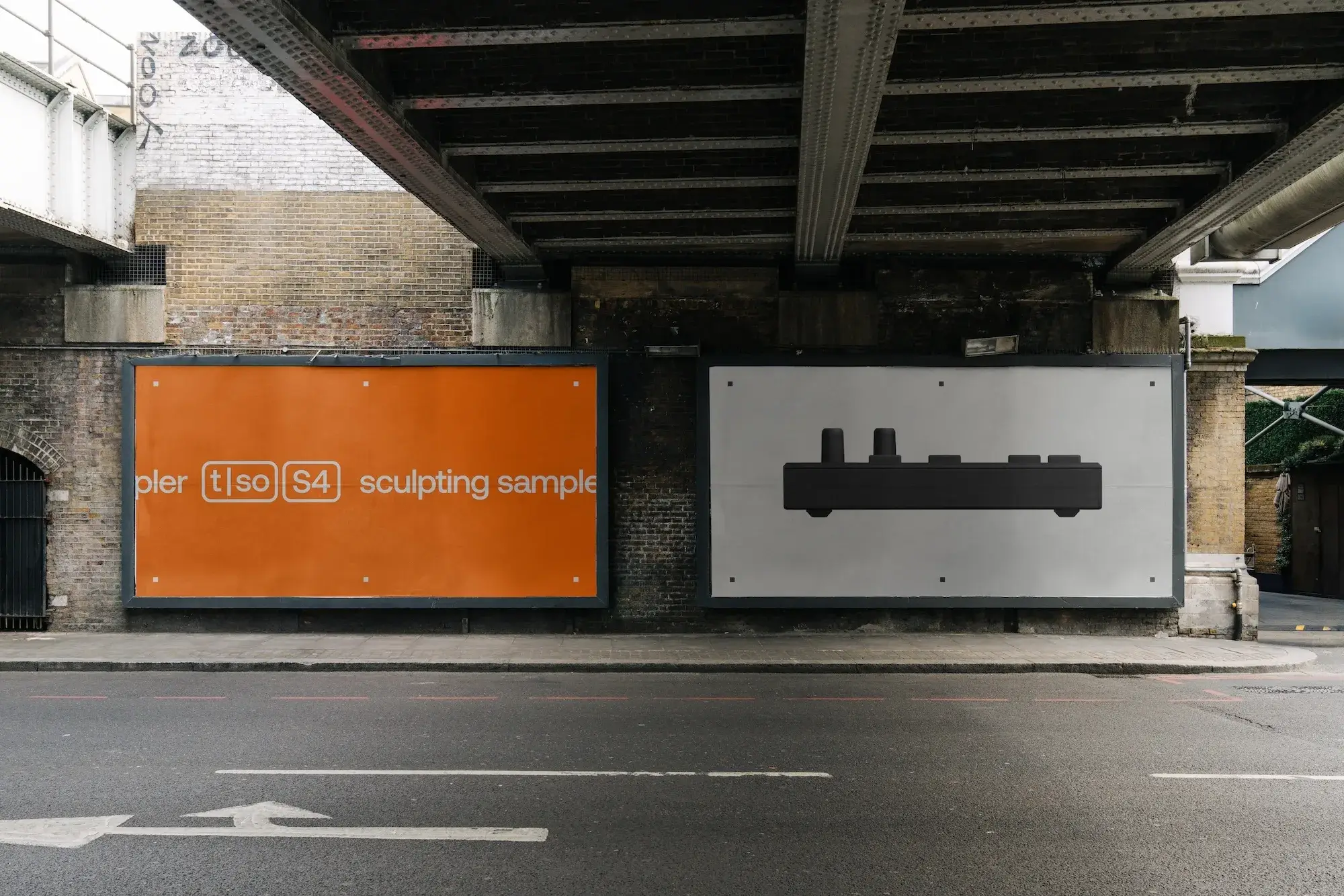
The instruments already contained Torso Electronics’ visual identity
Before inventing a new visual language, Ozon Studio used Torso's instruments, studied their interfaces and expanded a small vertical bar that was already sitting inside the logo.
Archive
IRZ Creative archive, page 7.
Before inventing a new visual language, Ozon Studio used Torso's instruments, studied their interfaces and expanded a small vertical bar that was already sitting inside the logo.
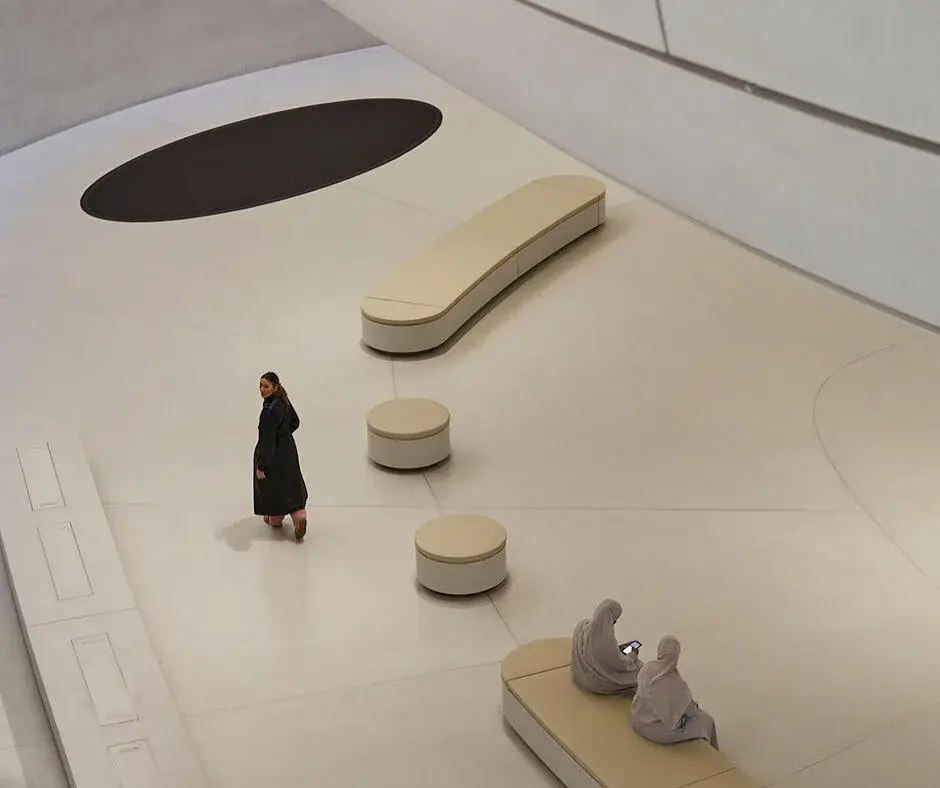
Agata Kurzela Studio treated the museum interiors as material research: raw wool, trials, full-scale mock-ups and collaboration with local makers.
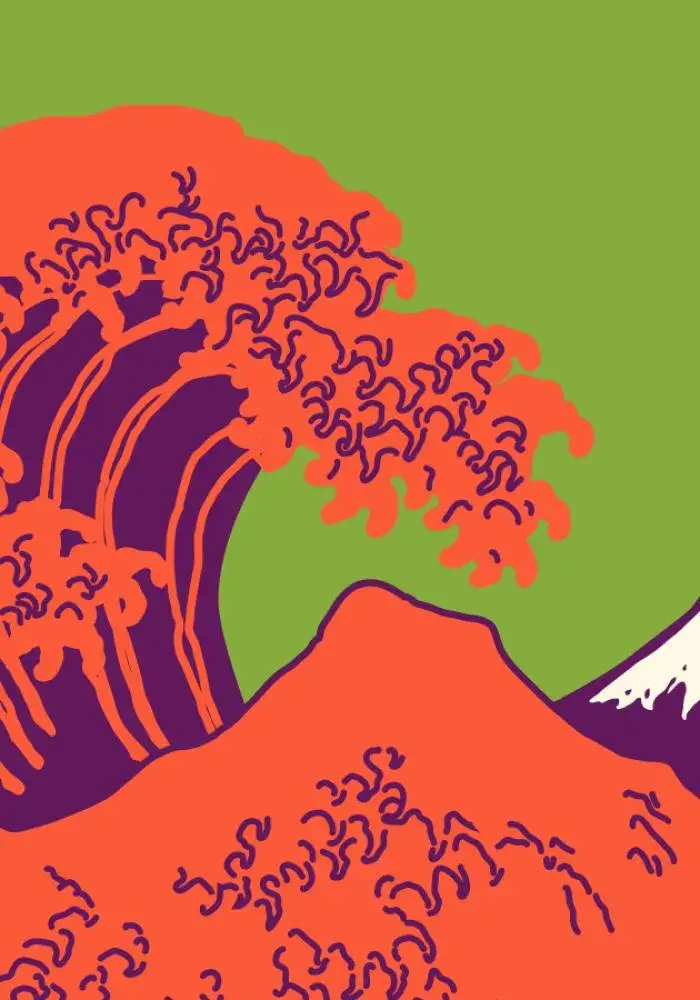
Hiro Sugiyama digitally reworked Hokusai's print. Hundreds of thousands of dahlias now turn it into a temporary 1,680-square-metre image.
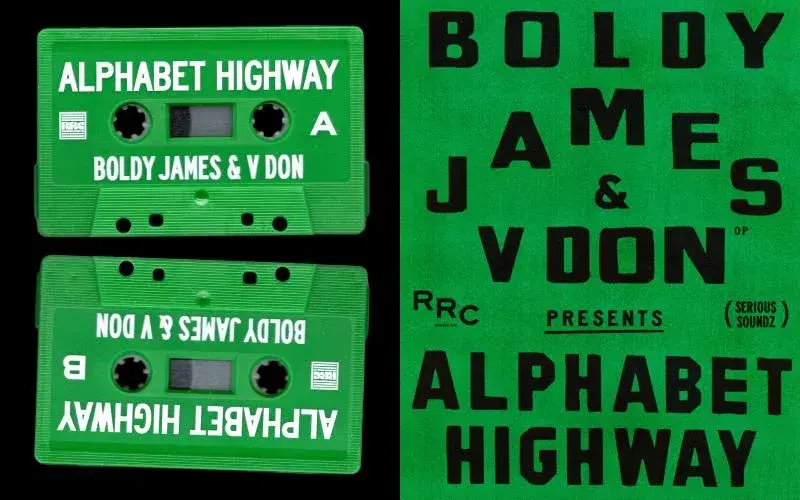
OnePlus Studio does not flatten four backgrounds and four sets of references into a house style. The team lets them collide, then slows down the beginning of each project before deciding what to make.
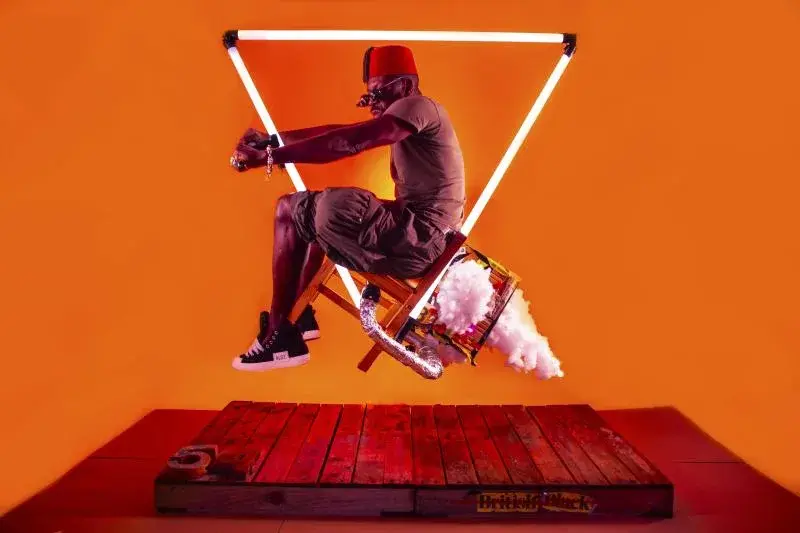
Cotton, wooden rigs, beadwork, costume and symbolic objects remain legible in the images of Benji Reid and Zana Masombuka. Their fantasy does not depend on hiding how it was made.
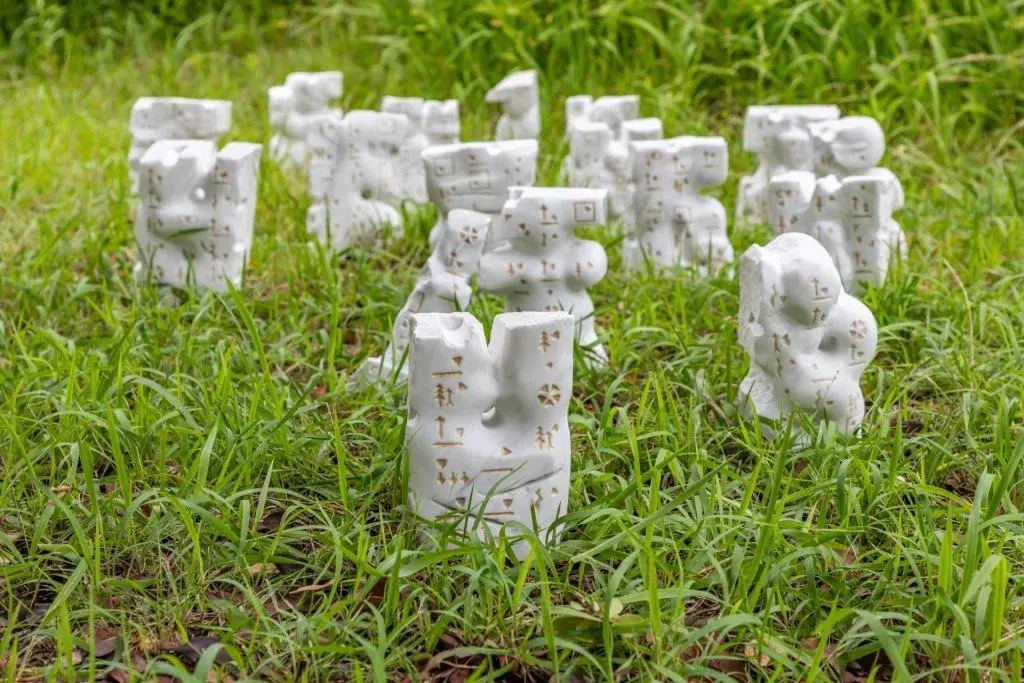
Since the 1990s, Fumiaki Aono has used abandoned objects as the starting point for repairs that do not attempt to recover the original.
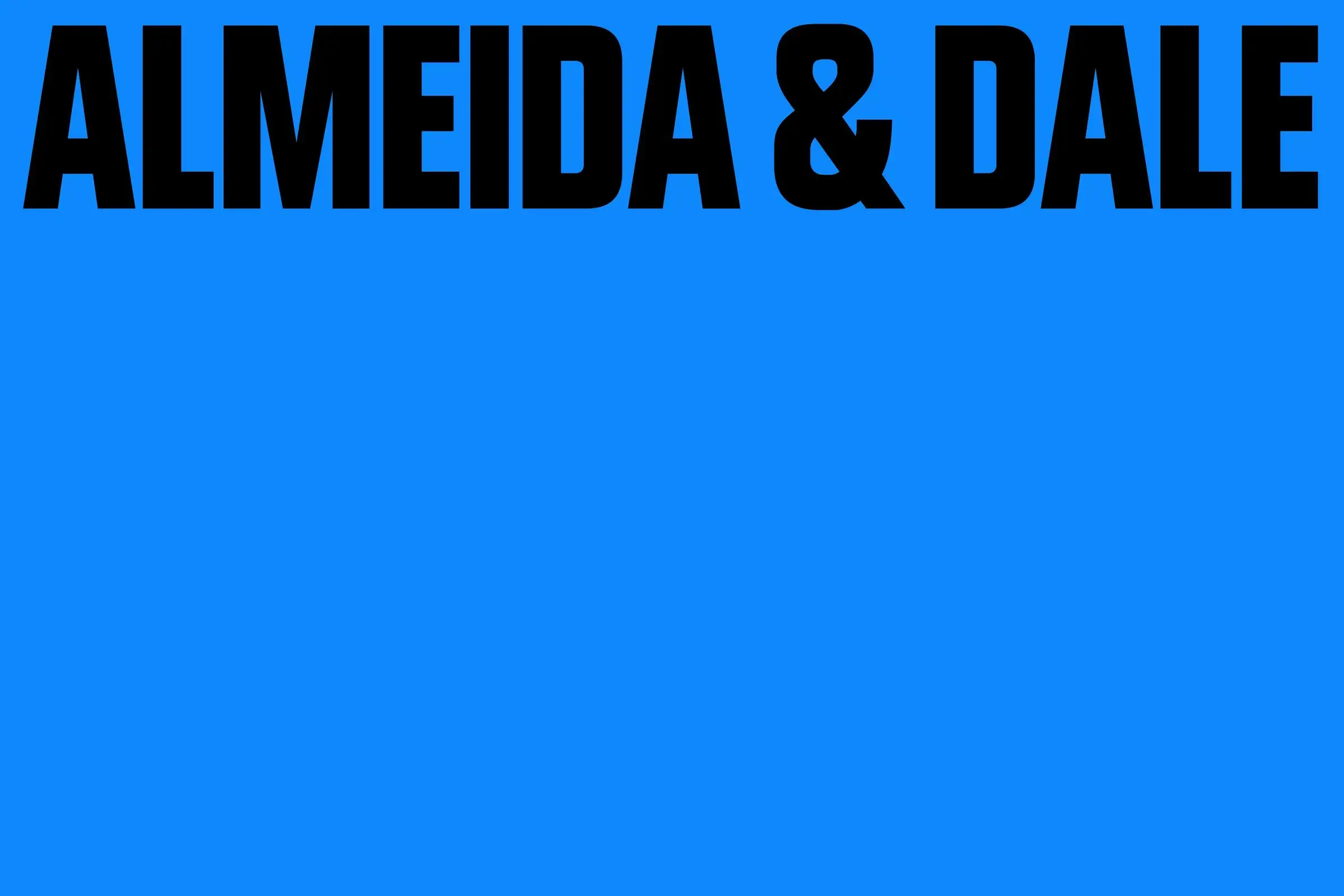
For Almeida & Dale, Porto Rocha commissioned a typeface where Brazilian Portuguese diacritics are not accessories added at the end. They carry the same visual weight as the letters.
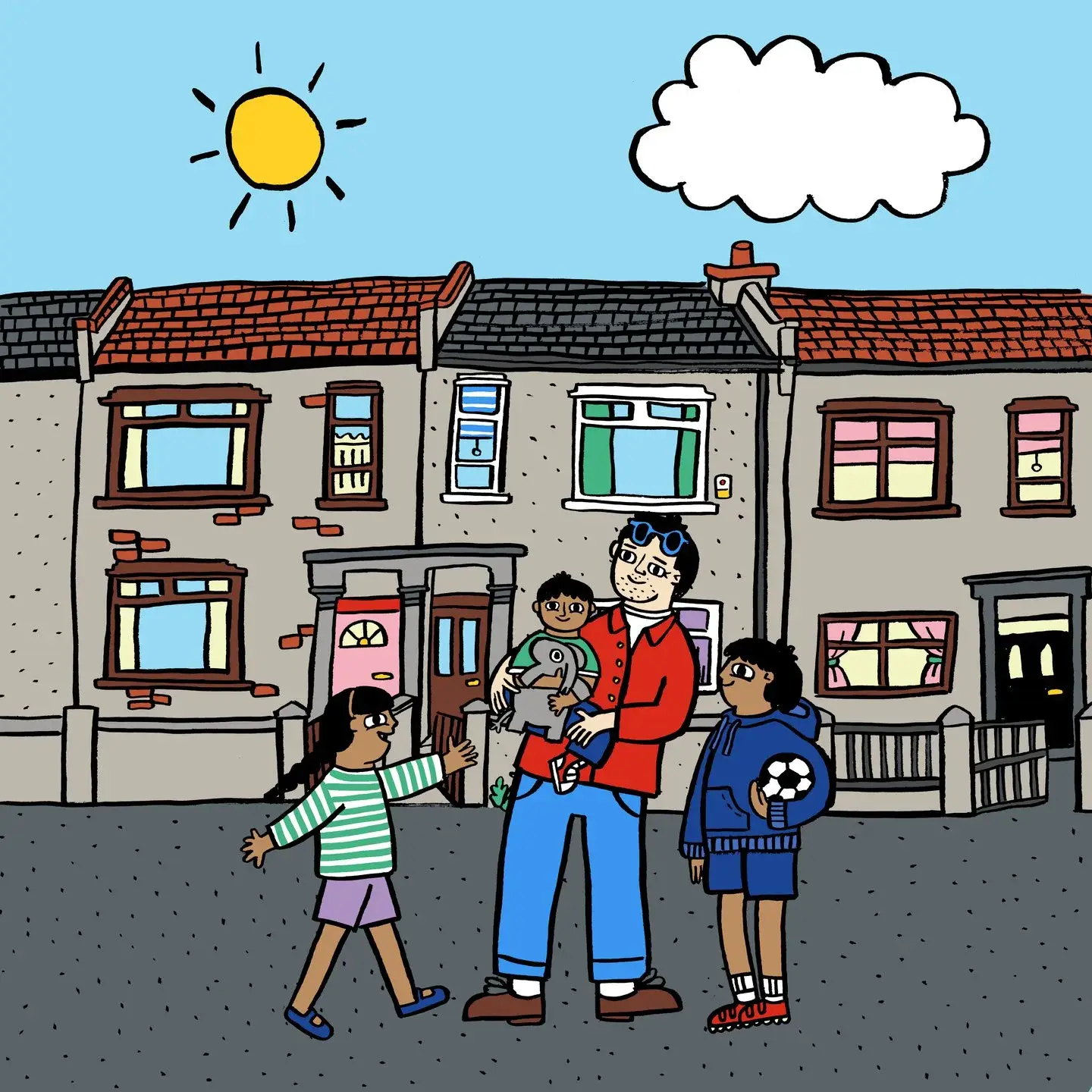
Alice Bowsher and Plastic Horse move from brush and ink to After Effects to describe school-holiday financial pressure from a child’s point of view.
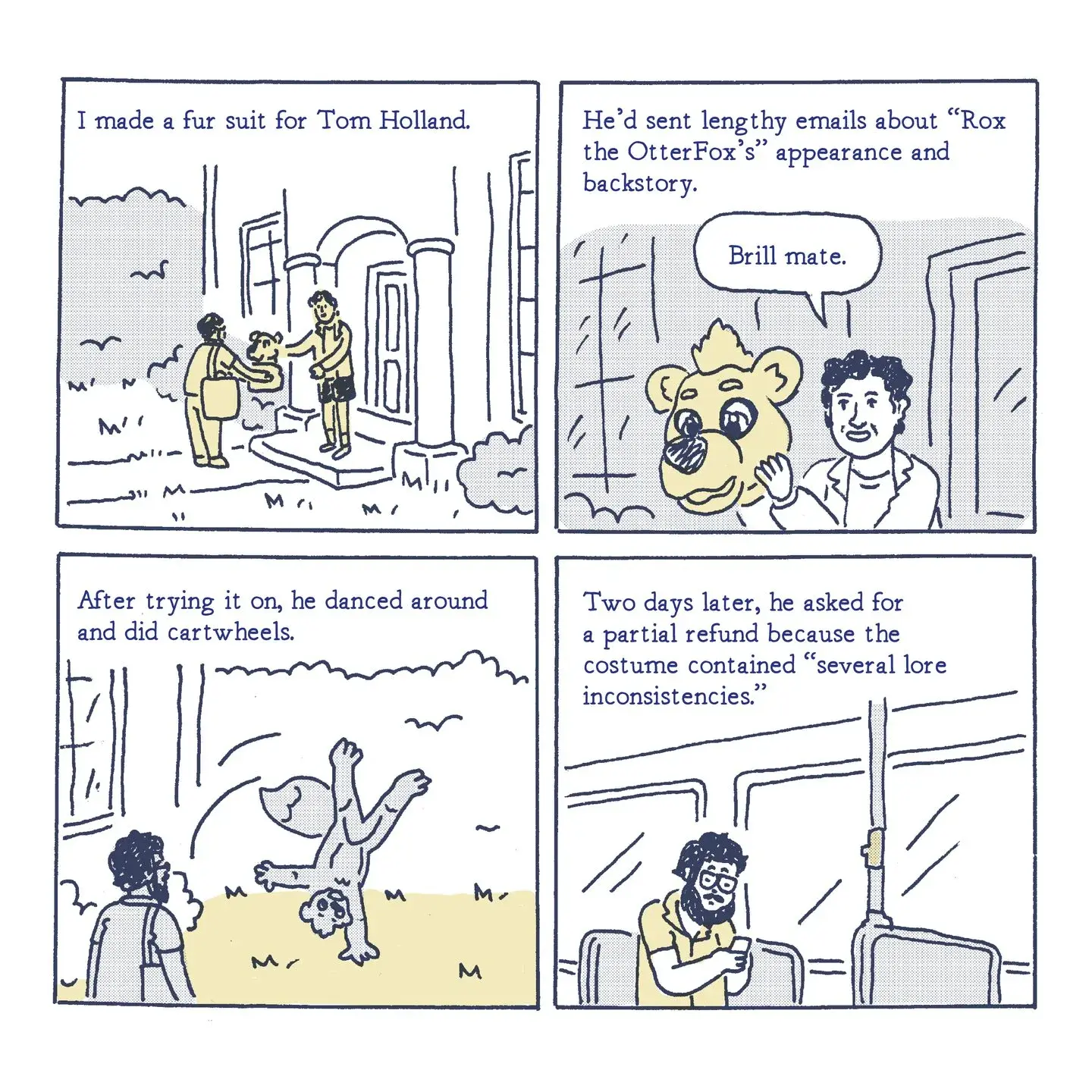
One celebrity, one mundane place, one tiny obsession, four panels. Luke Healy repeats that constraint until it becomes a small engine for encounters that never happened.
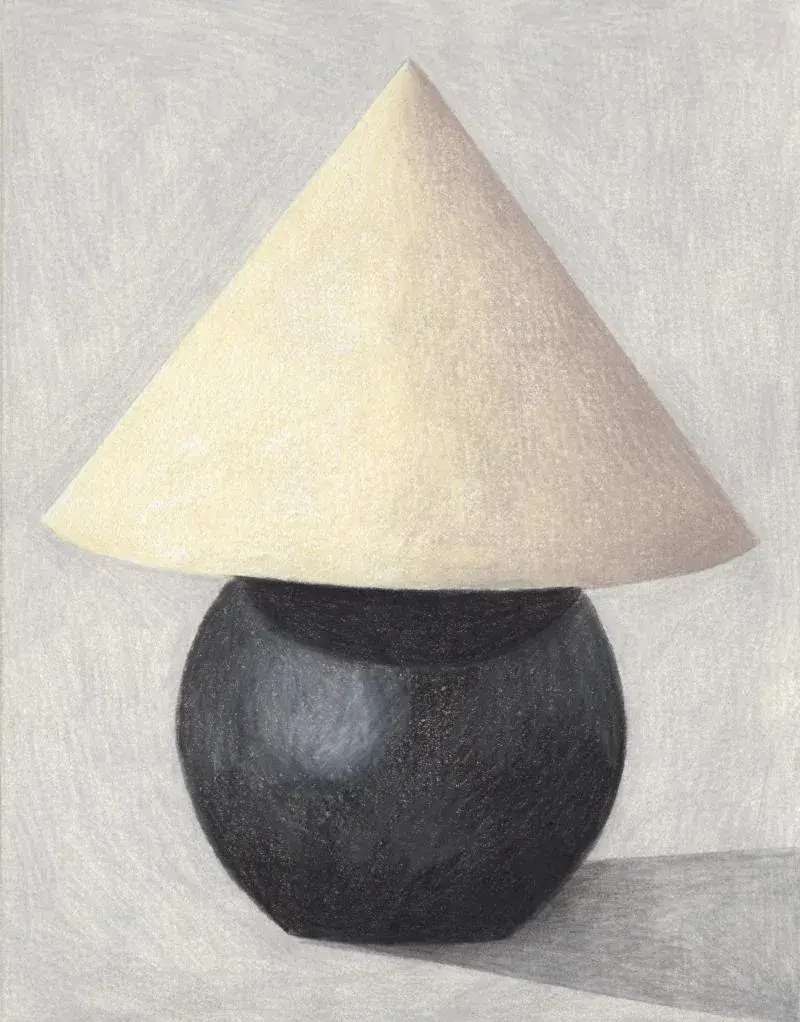
A clothes peg, envelope or designer stool can receive the same attention. Julie Jonquet-Caunes builds compositions as collages first, then rebuilds them through drawing.