
To design the 100-year storm, the model never saw one
A new MIT algorithm generates plausible extreme-event scenarios without ever training on an extreme event. The trick, and its limits, live in what is imposed on the model.
Archive
IRZ news, analysis and ideas about AI.
A new MIT algorithm generates plausible extreme-event scenarios without ever training on an extreme event. The trick, and its limits, live in what is imposed on the model.
SourceHut's announced rule is more specific than a blanket LLM ban: private advice remains allowed, original AI-assisted content does not, and enforcement will use trust rather than detectors.
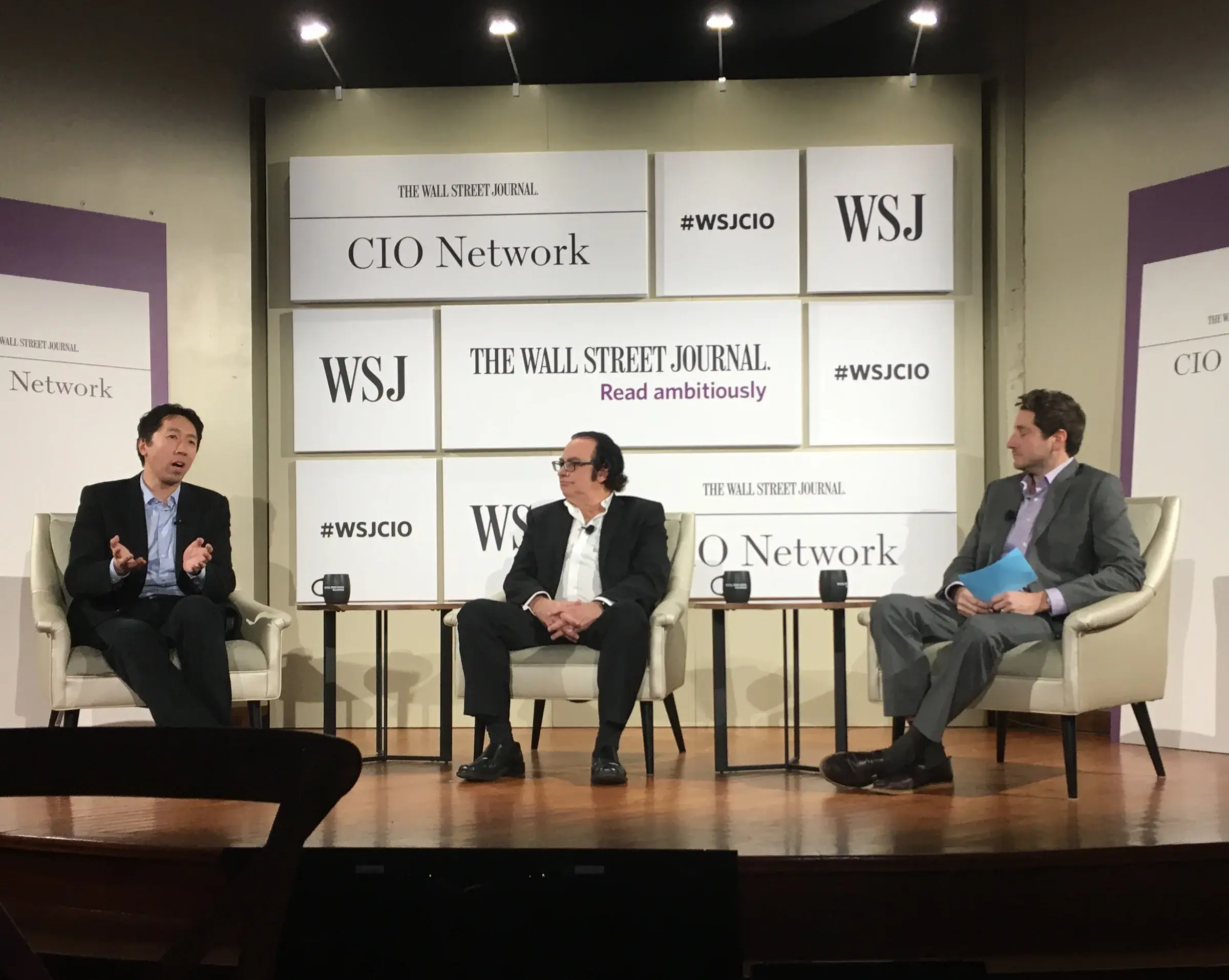
Andrew Ng was arguing for data-centric AI in 2022. Four years later, small models have become dramatically more capable even as frontier compute keeps expanding.
The AI Interface Museum lines up 49 interfaces from 2011 to 2026. Their evolution says less about model capability than about the human role: command, prompt, converse, edit, then supervise.
A pull request can take minutes to generate and still demand real review work. Projects are therefore filtering less for whether code exists and more for evidence that a human actually owns it.
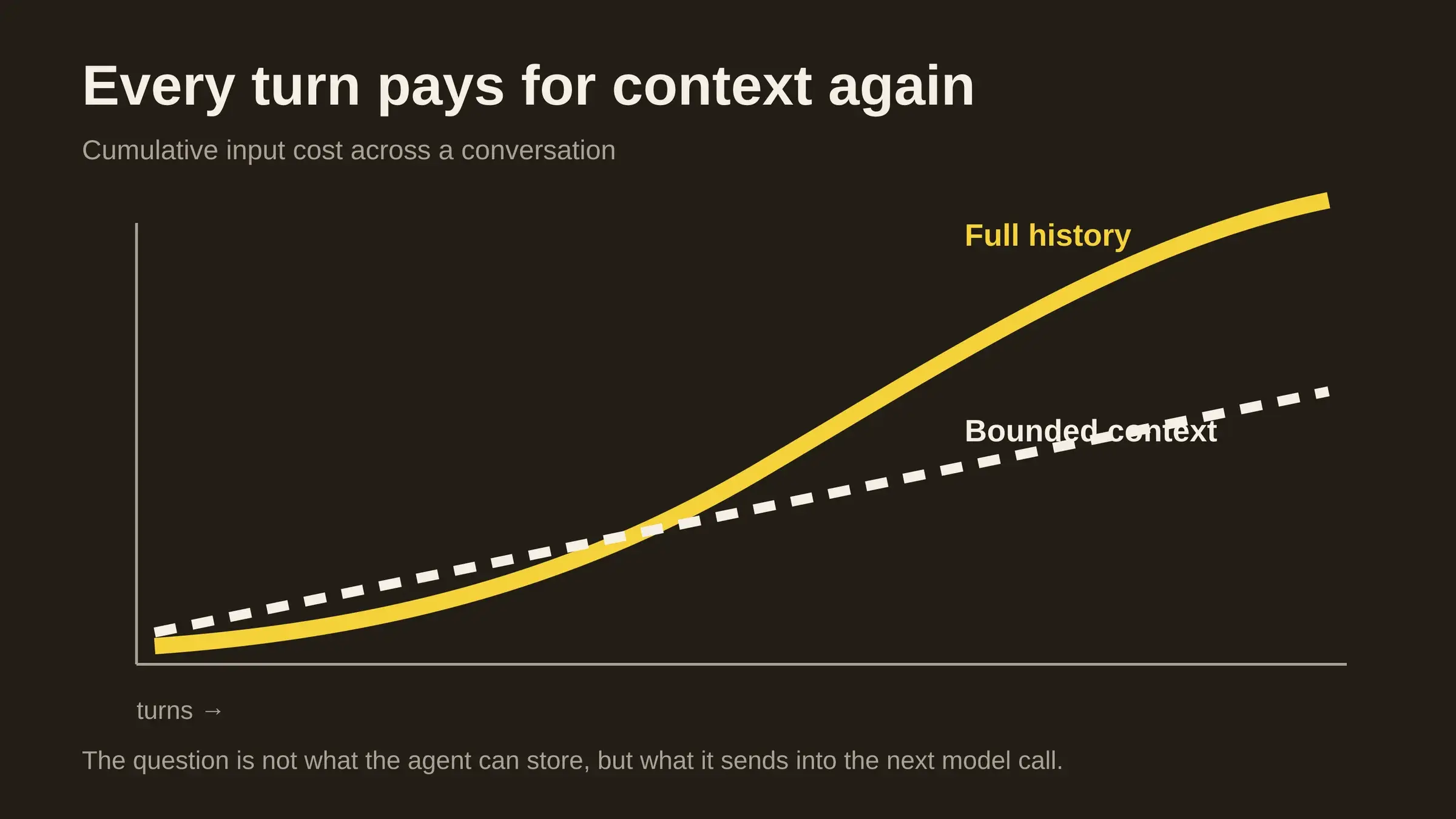
Storing a memory is only half the problem. On every model call, an agent still has to decide what deserves context space, what can be compacted and what should stay outside.
CADBench, Task Model Induction and Skill Recorder point to the same constraint from different angles: automating expert software requires verifiable traces of real work, not just a polished demo.
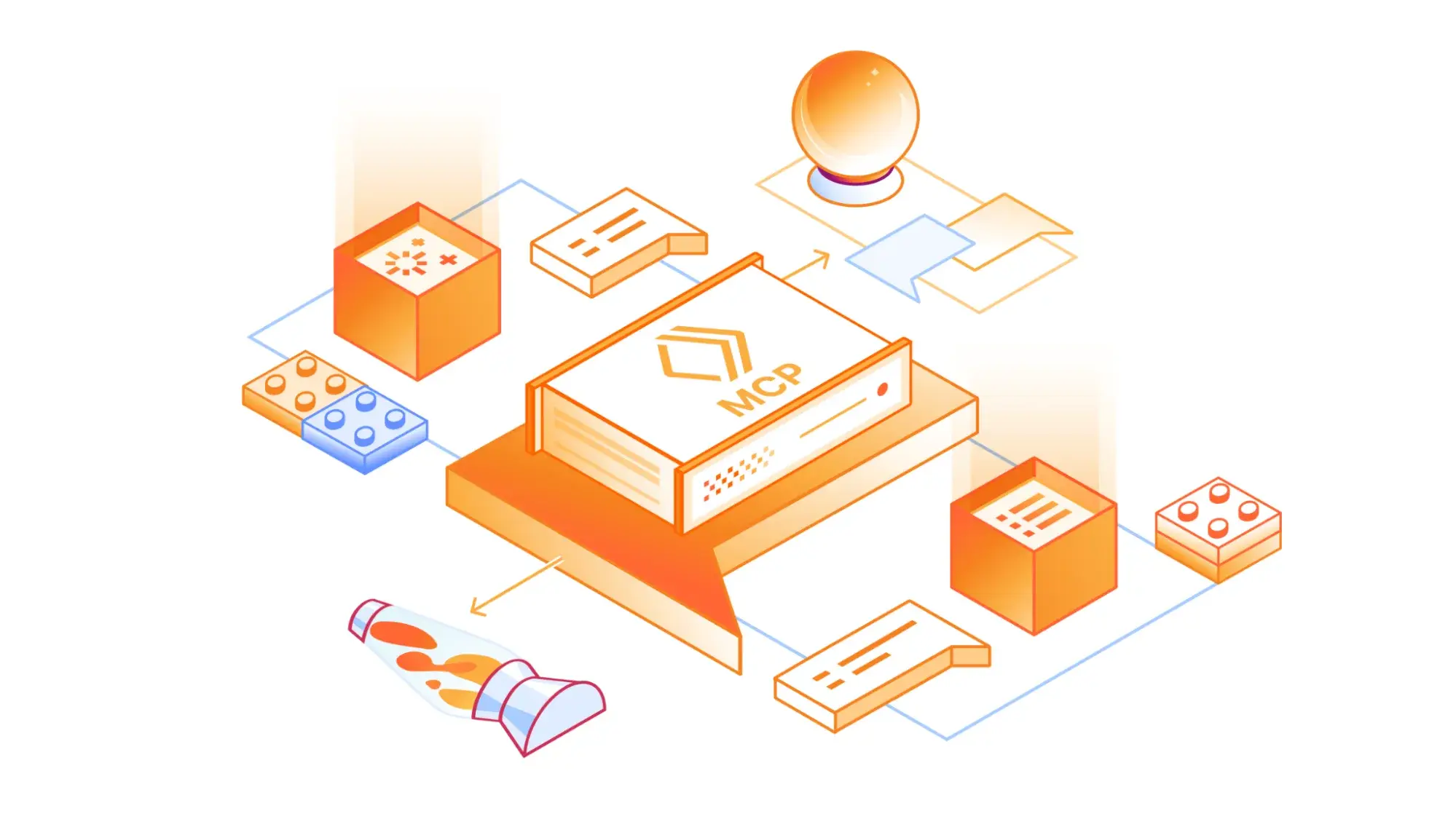
WebMCP lets sites declare actions directly to browser agents. It is an alternative to brittle DOM actuation, not the end of scraping or dedicated APIs.

In fifteen days, Qwen 3.8, DeepSeek V4 Pro, Muse Code, Grok 4.6, Gemini 3.7 Flash and several open models arrived. The more interesting change sits around them: the harness is becoming a measurable part of the product.

Midjourney began as a small self-funded lab building on open breakthroughs in CLIP and diffusion. What we know about its first models, training costs and shift toward proprietary technology.