A 2.9MB song becomes eight QR codes and a paper cassette
Paper Tunes does not really put an MP3 into a QR code. It first compresses music into a neural representation, then turns that data into a physical cartridge and an offline radio payload.
Archive
IRZ Creative archive, page 6.
Paper Tunes does not really put an MP3 into a QR code. It first compresses music into a neural representation, then turns that data into a physical cartridge and an offline radio payload.
Godox’s first camera has no rear screen and no electronic viewfinder — just a transparent optical viewfinder, a light meter, and a price around thirty dollars.
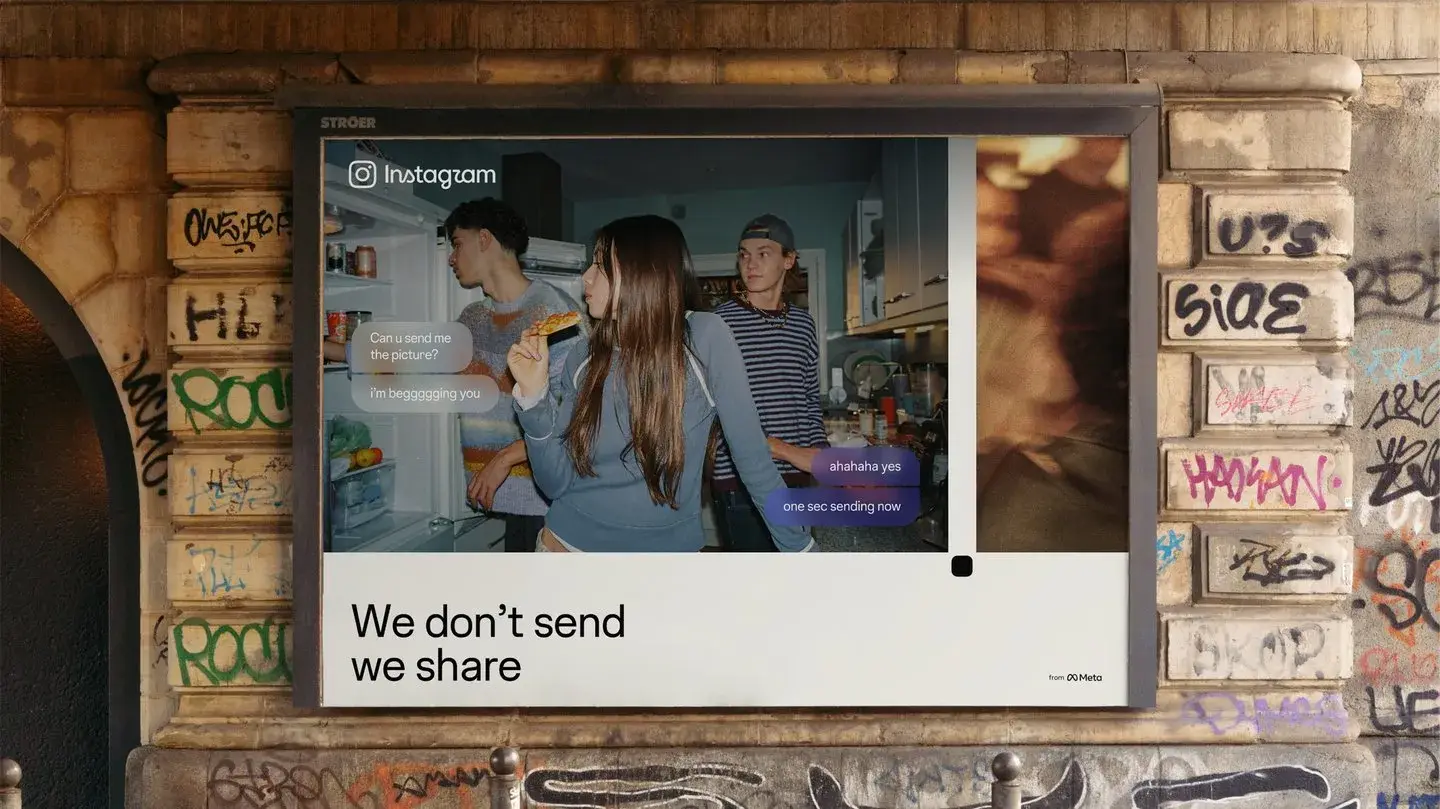
Instagram’s 2026 refresh is mostly a lesson in constraint: after hundreds of directions, the team discovers what an omnipresent brand can no longer remove.
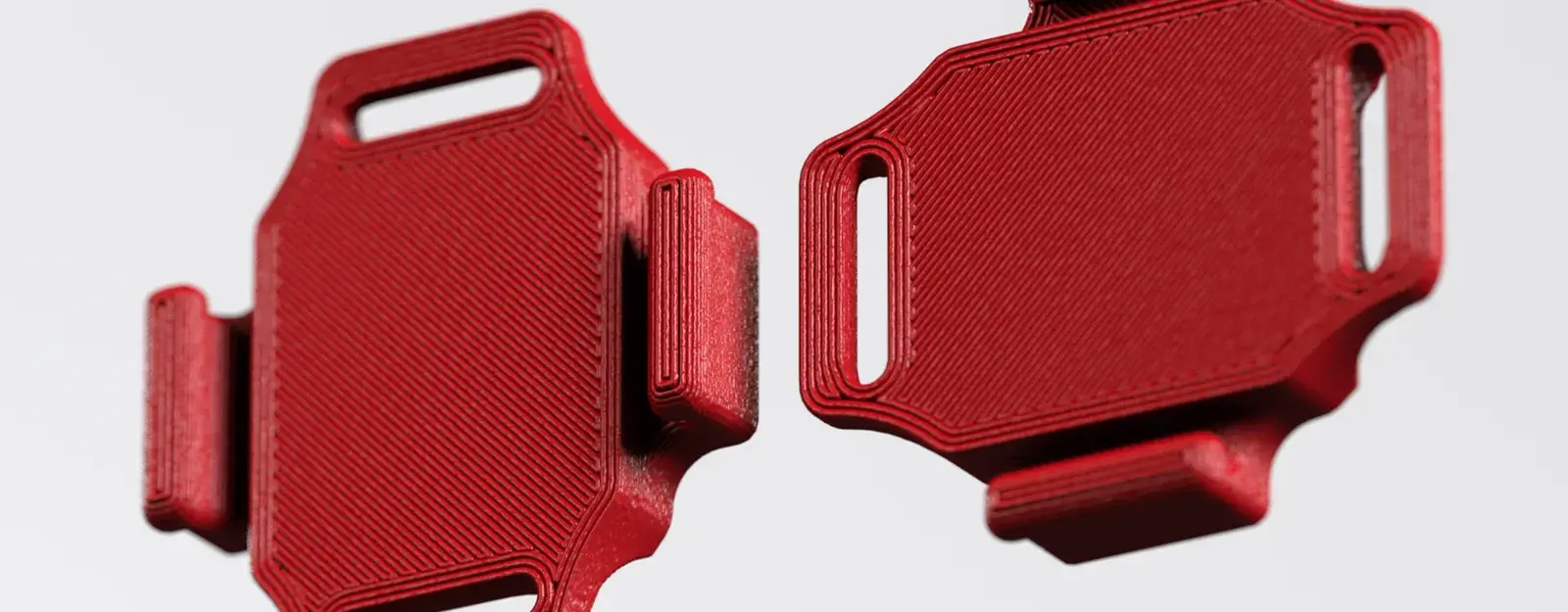
A full-size bag will not fit on many accessible printers. MIKU answers with one flexible brick that repeats, connects without glue and can be replaced individually.
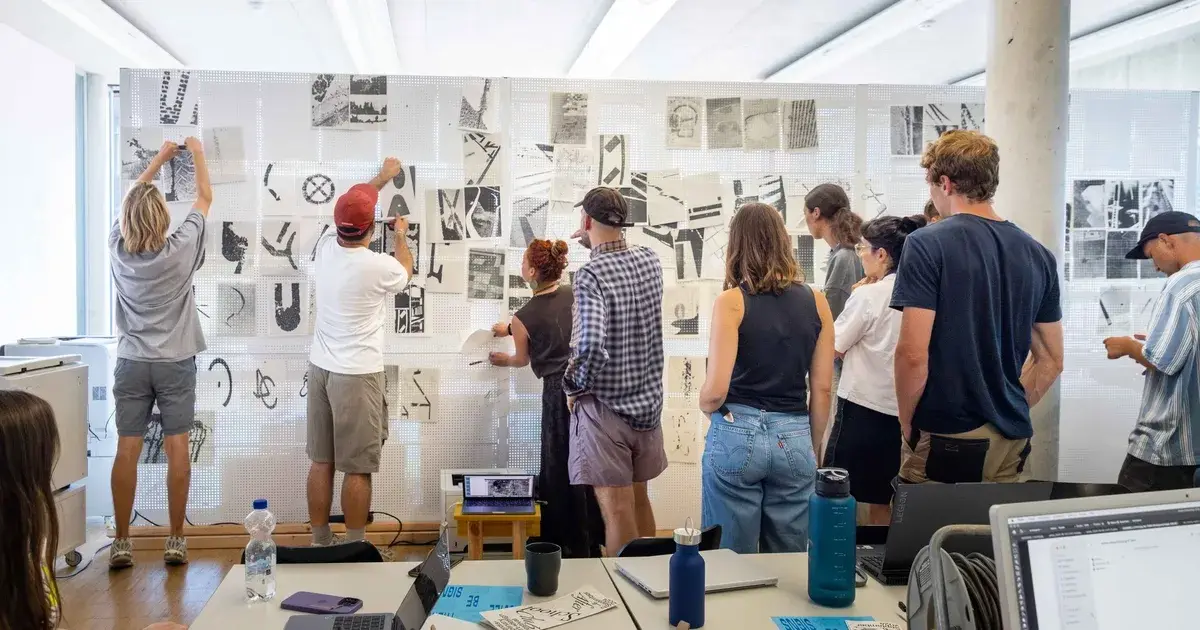
A Billboard Alphabet turns Module Festival into raw material: observe, draw, print, display, then repeat in public.
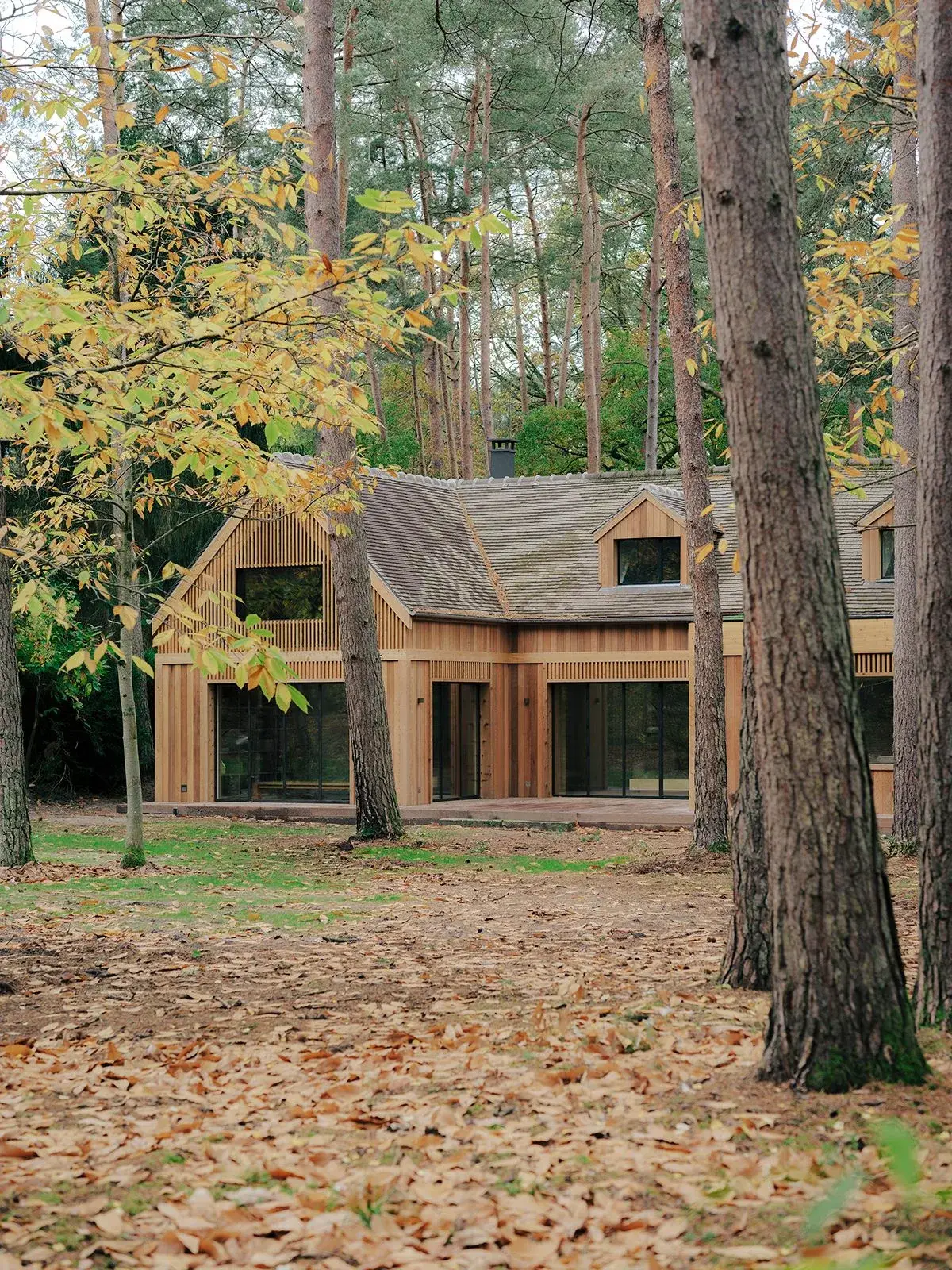
In Sinu treats site, nearby resources and furniture as one project. The material’s provenance remains visible all the way down to the objects inside.

Jia CURATED brings together 25 models to make air, water, vegetation and site legible. Shrinking a building can enlarge what we understand about it.
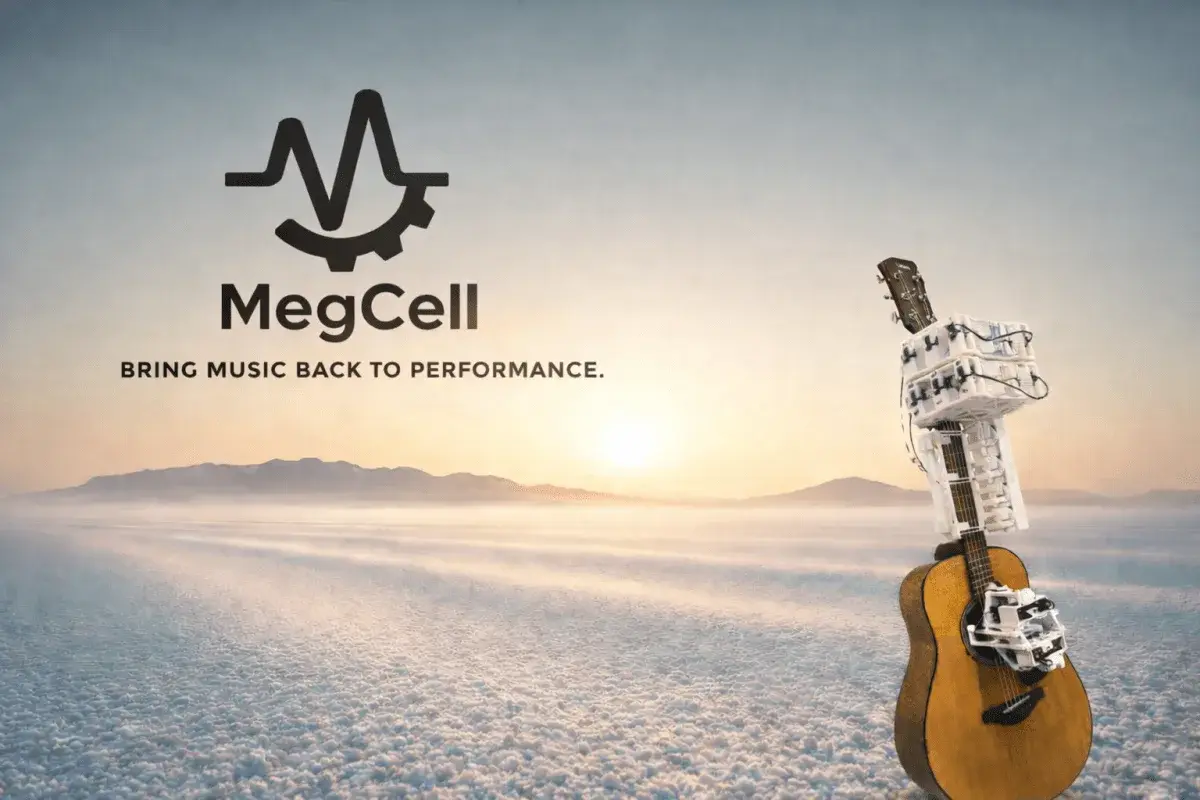
Two printable mechanisms replace the guitarist’s hands: one frets, the other plucks six strings. A digital score ends as acoustic vibration.
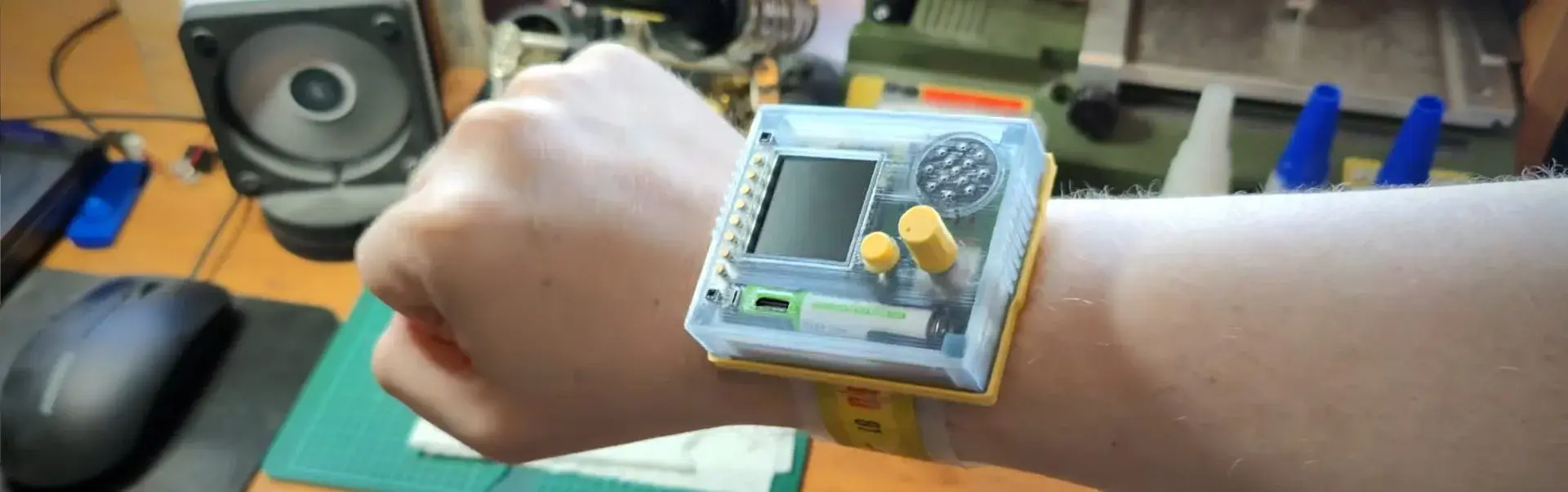
An ESP32-S3, brass rods, transparent PETG and even a tape-measure wristband: nearly every fabrication choice ends up becoming part of the controls.
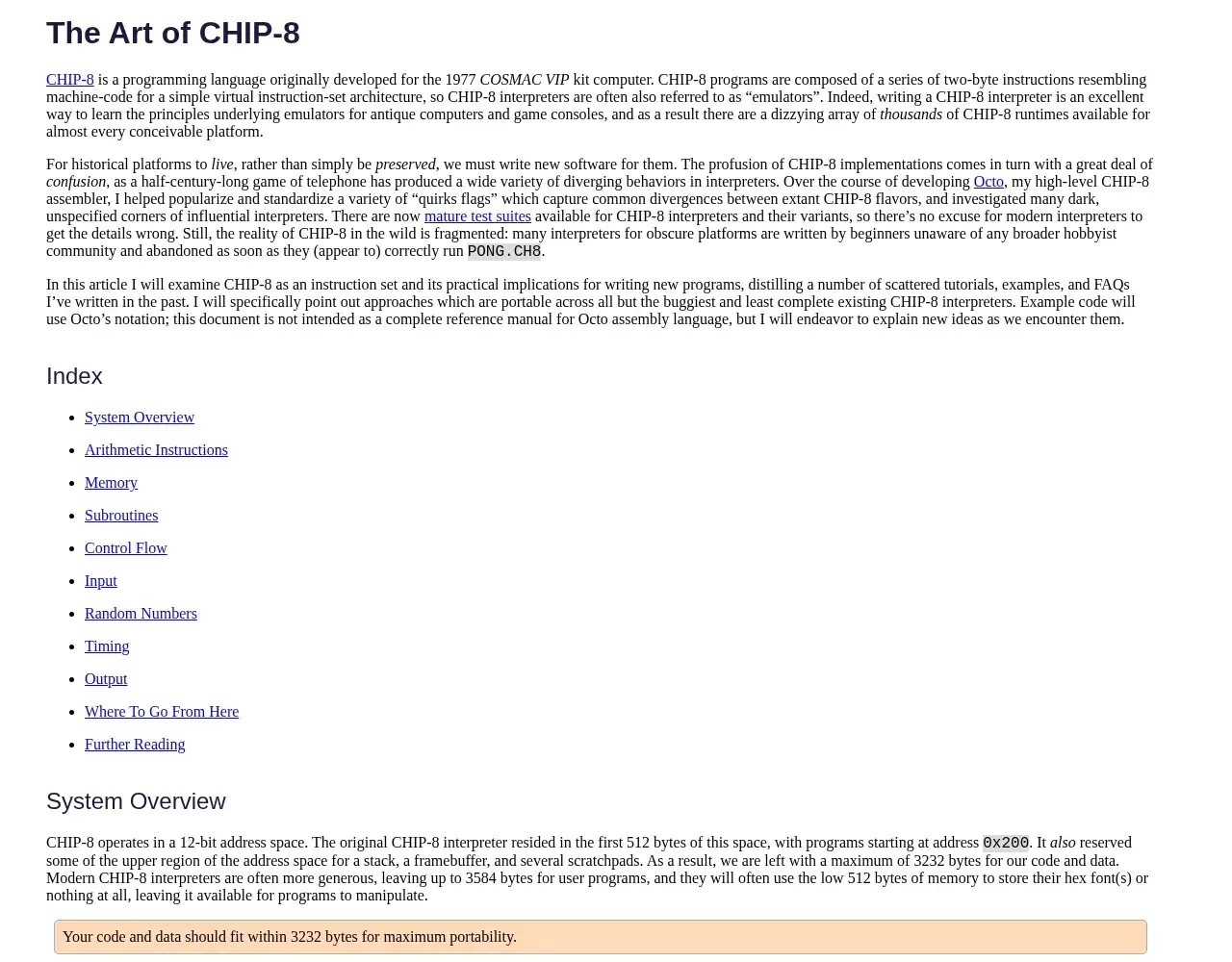
With 3,232 portable bytes, a 64 × 32 monochrome display and XOR drawing, CHIP-8 forces programmers to treat machine limits as graphic tools.