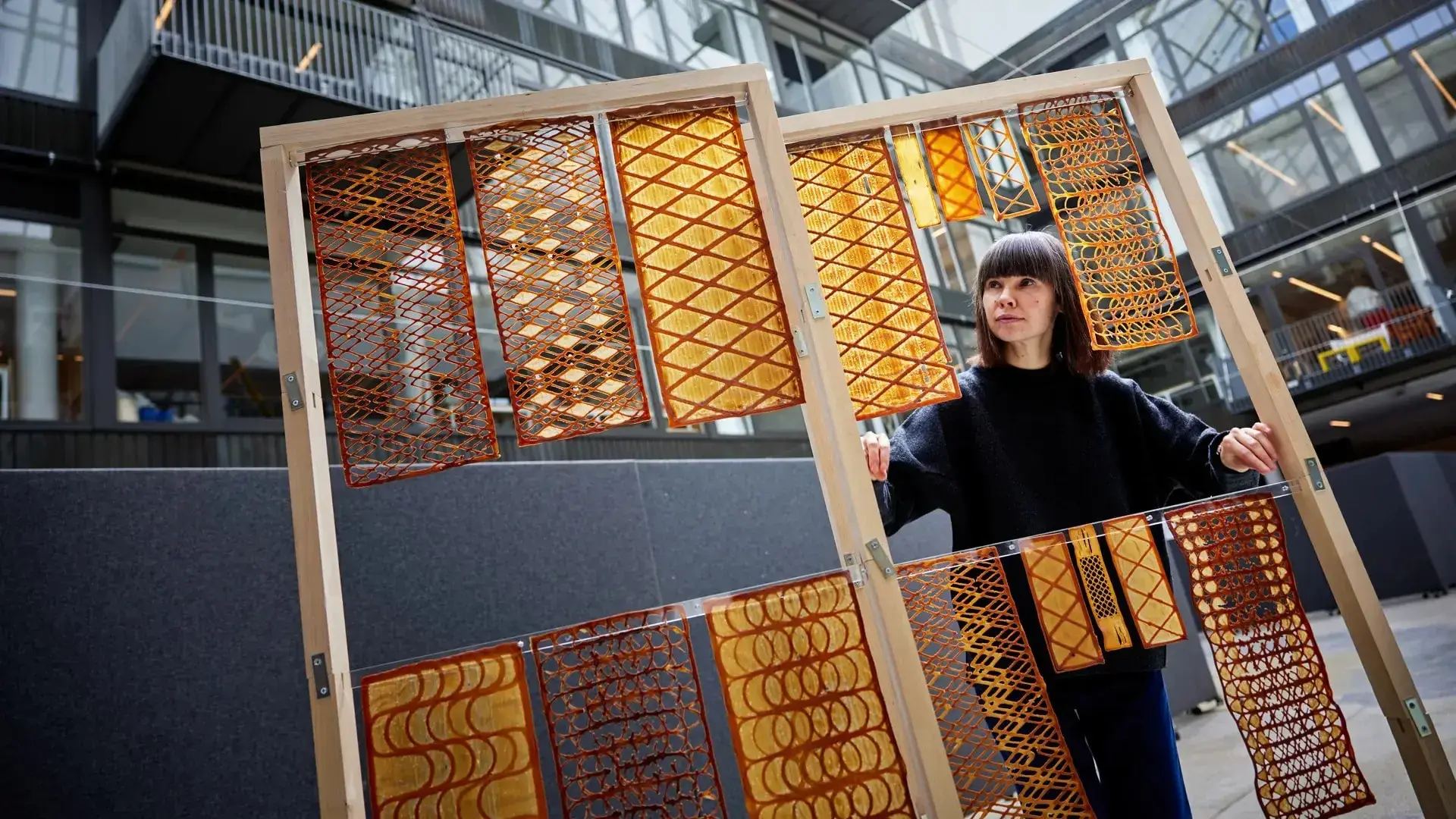
The yeast is deactivated before it becomes a 3D-printed panel
At Chalmers, baker’s yeast is not kept alive for effect. It is heated, deactivated, mixed with cellulose and printed at room temperature into lightweight architectural sheets.
Archive
IRZ Craft archive, page 8.
At Chalmers, baker’s yeast is not kept alive for effect. It is heated, deactivated, mixed with cellulose and printed at room temperature into lightweight architectural sheets.
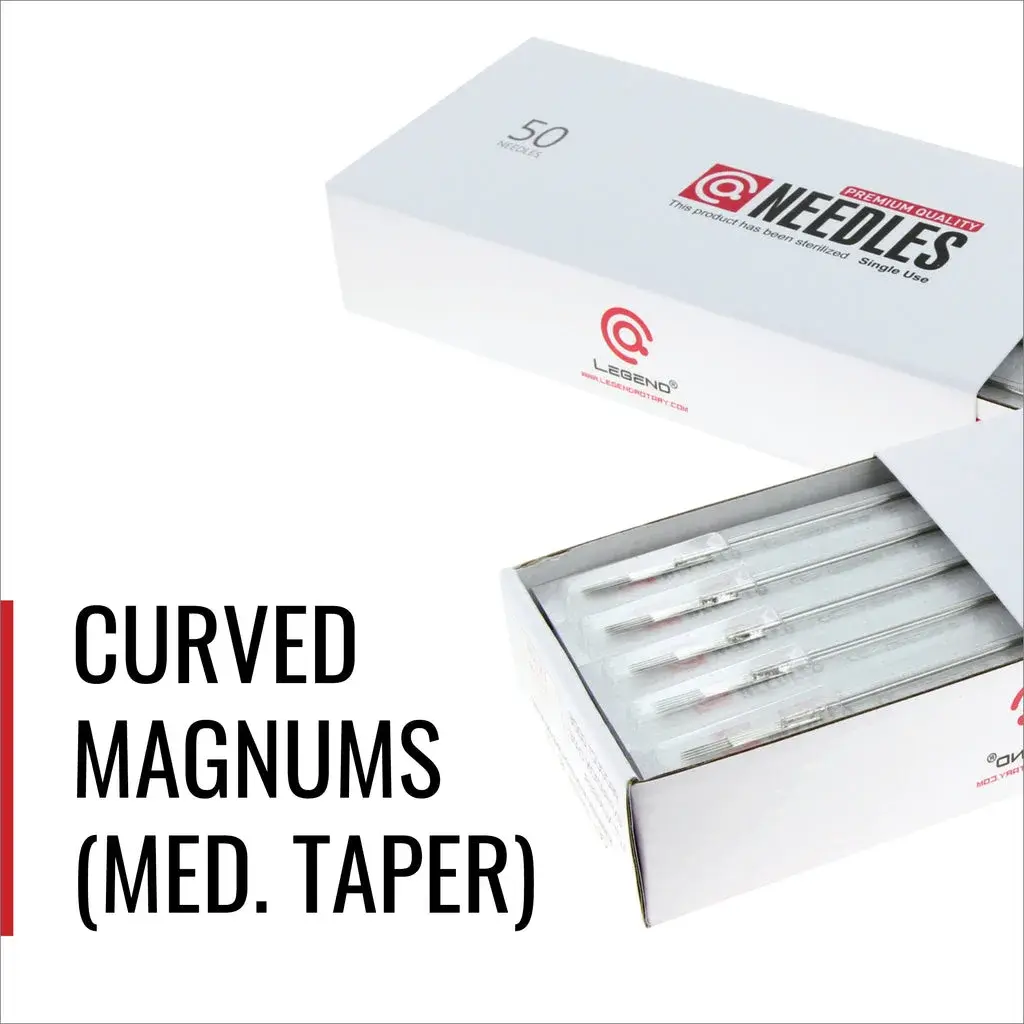
Premade needles, disposables and then cartridges progressively moved soldering, sterilisation and part of quality control out of the tattoo studio. CAM Supply offers a useful view of that shift.
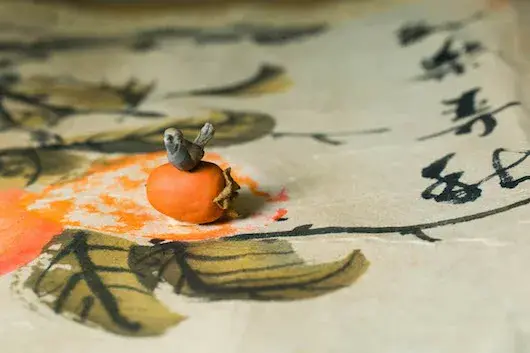
Saya Irie erases a printed image, collects the coloured residue and works it like clay to rebuild the motif in three dimensions. The waste from one gesture becomes the material for the next.
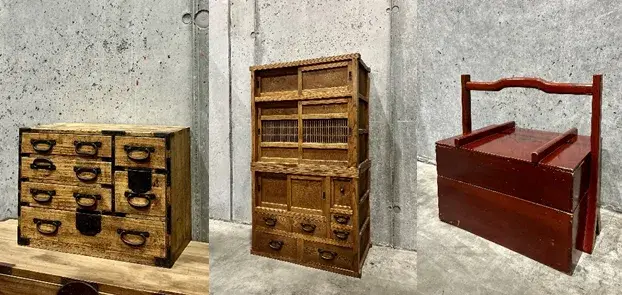
MUJI is now selling furniture recovered from old Japanese houses and repaired without systematically erasing its traces. Scratches, joints and previous repairs become a material archive.
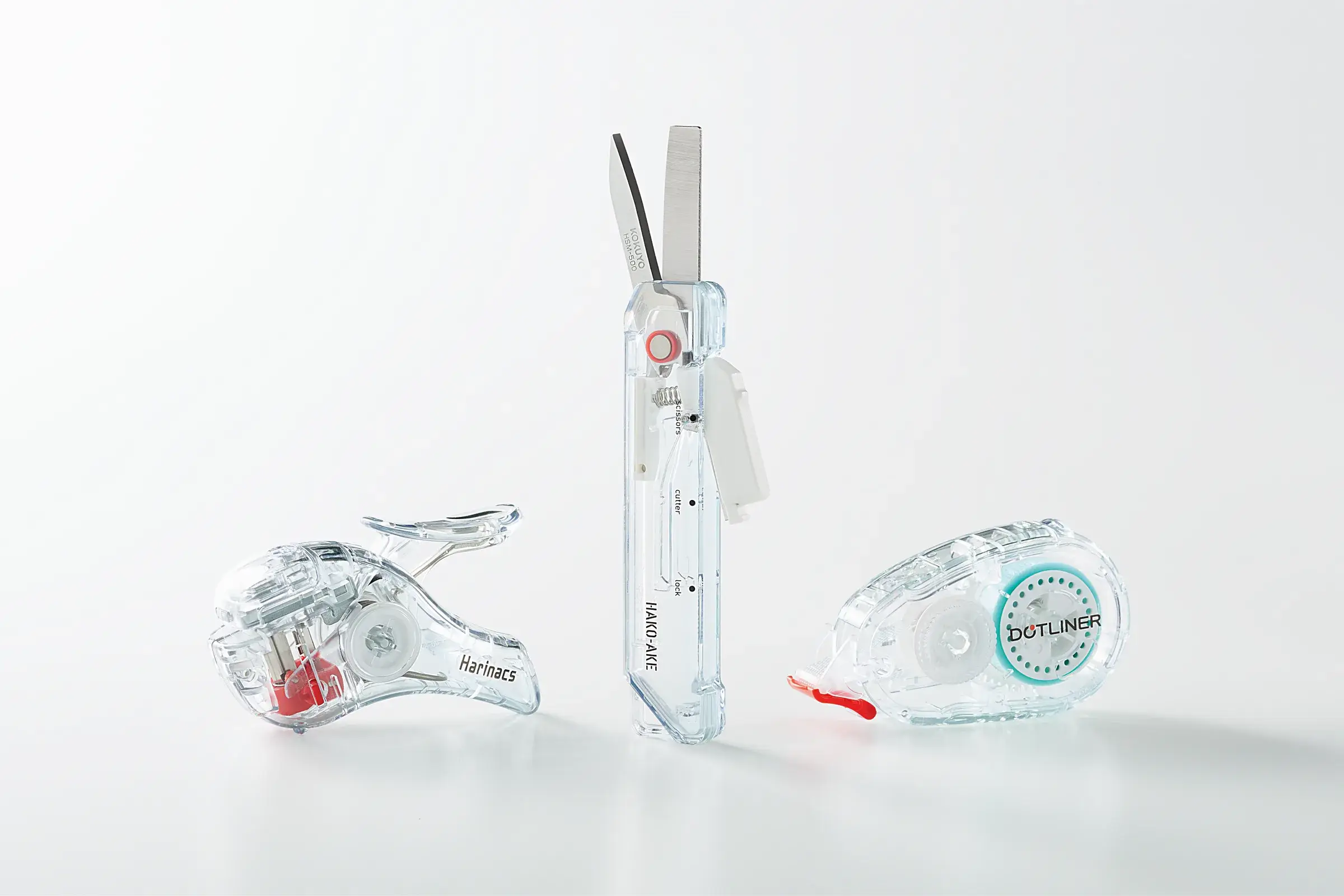
With Transparent Mechanism, Kokuyo exposes the gears, blades and moving parts inside three office tools. Transparency becomes useful when it actually explains what the object is doing.
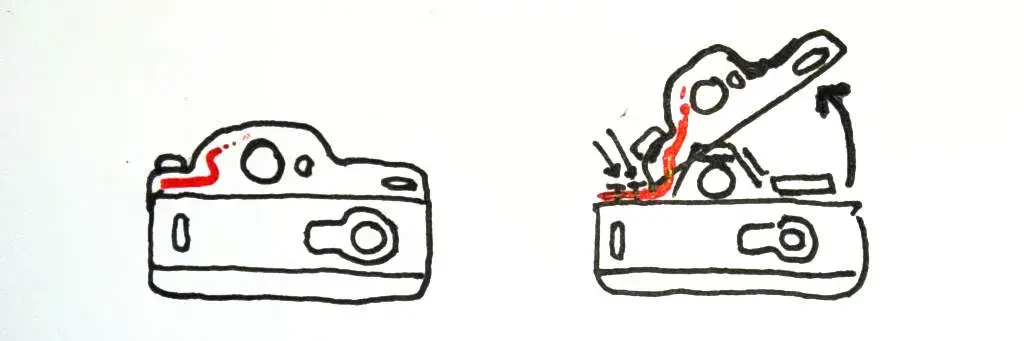
On a complex film camera, the service manual may not be enough. Repair also depends on photographs, parts lists, measurements, remade components and notes left by people who have already opened the machine.
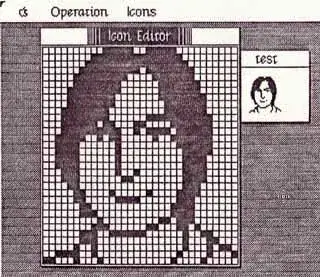
Graph paper, a 32 × 32 grid, actual-size preview and finally hexadecimal for ROM: the first Macintosh icons came from a workflow where drawing and technical constraint were inseparable.
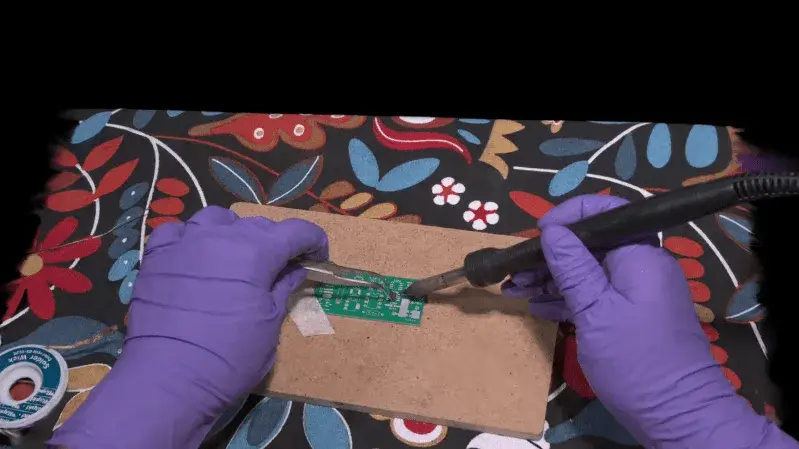
Thirteen soldering demonstrations use free-viewpoint Gaussian splats so the learner can move around the iron, tweezers and PCB after the gesture has been recorded.
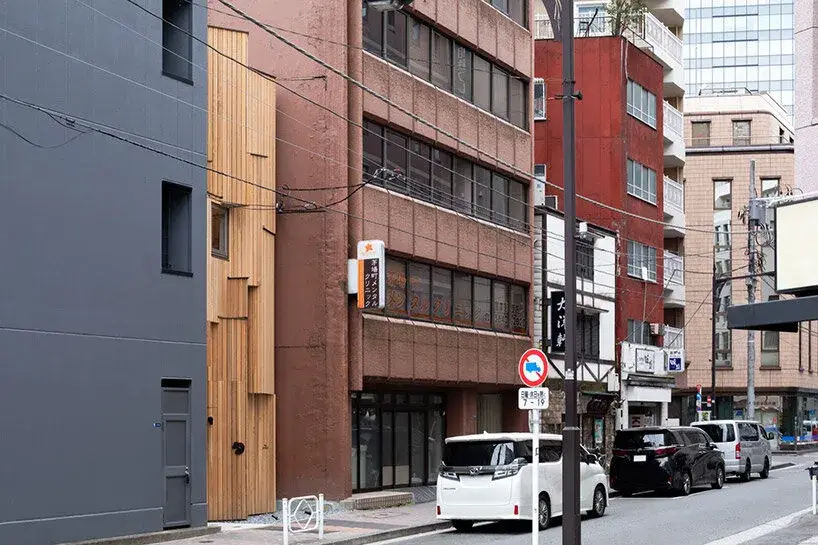
VUILD’s Tokyo project connects modular timber, thousands of digitally defined screw positions and 3D-printed guides to a simple requirement: the building should be able to come apart later.
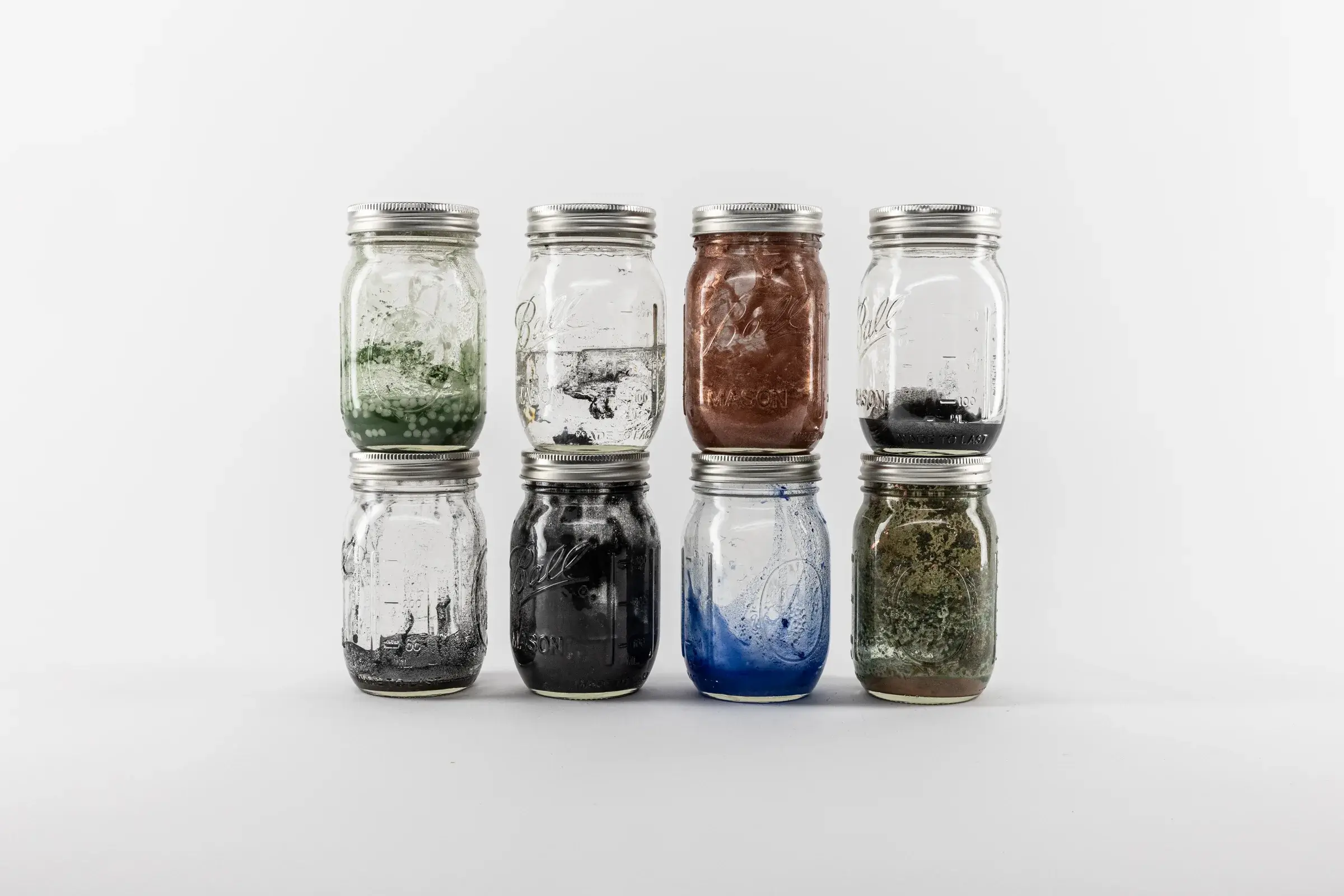
Pantone turned color into a shared but proprietary language. The Experimental Paint Archive asks the inverse question: can we build a material standard that is open, reproducible and trustworthy?