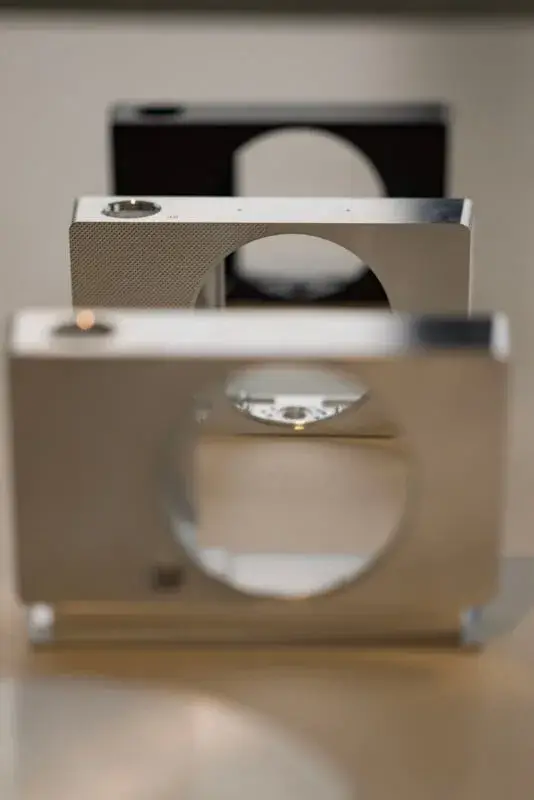
Sigma BF: seven hours of machining to manufacture simplicity
The Sigma BF's solid body takes seven hours of machining and a robot-run factory line working around the clock. A look at the real industrial cost of minimalism, told by Sigma's own CEO.
Archive
IRZ Craft archive, page 7.
The Sigma BF's solid body takes seven hours of machining and a robot-run factory line working around the clock. A look at the real industrial cost of minimalism, told by Sigma's own CEO.
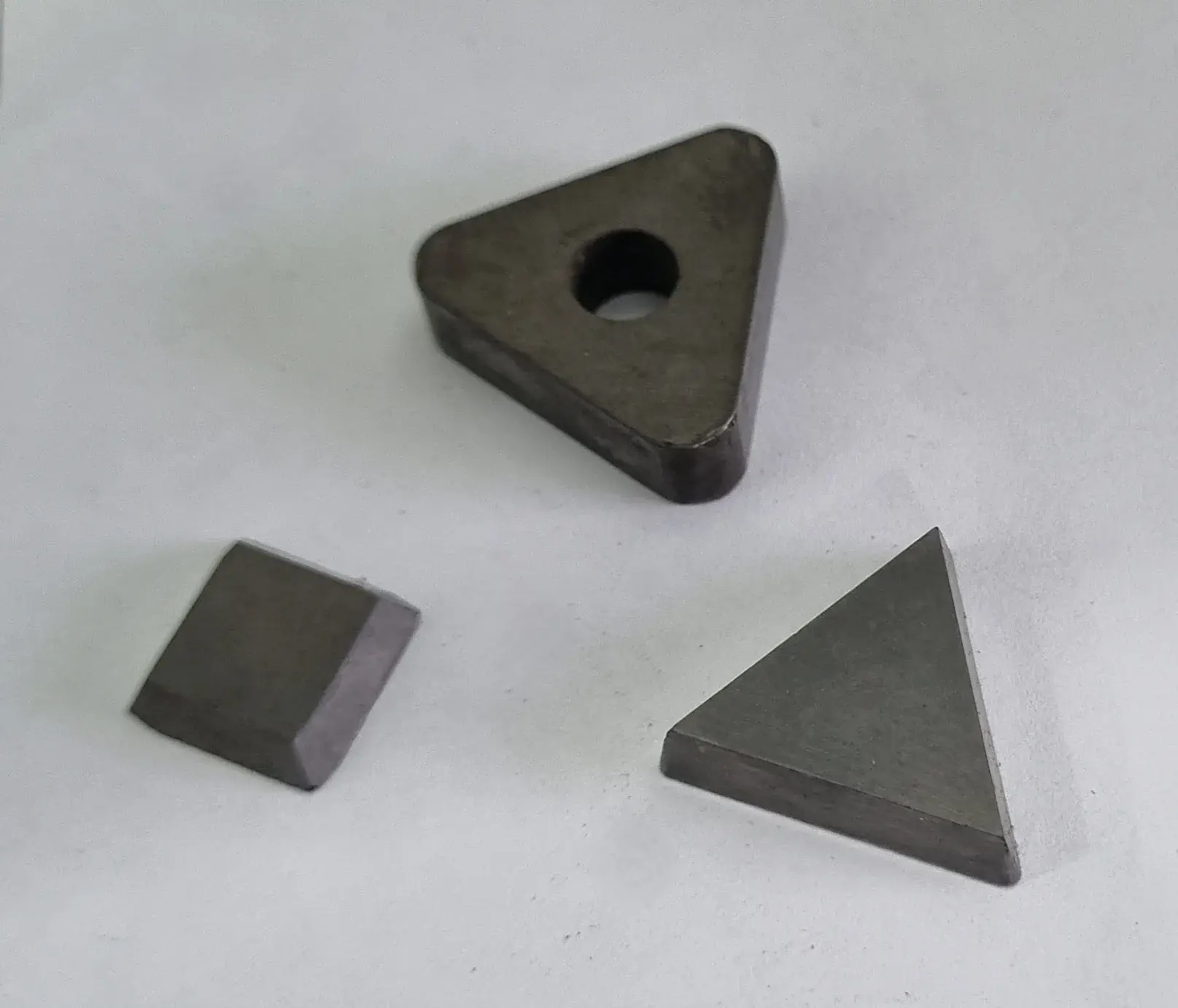
Hiroshima researchers deposited tungsten carbide-cobalt with a laser and hot wire, without fully melting it: over 1400 HV with no defects, and expensive material placed only where it matters.
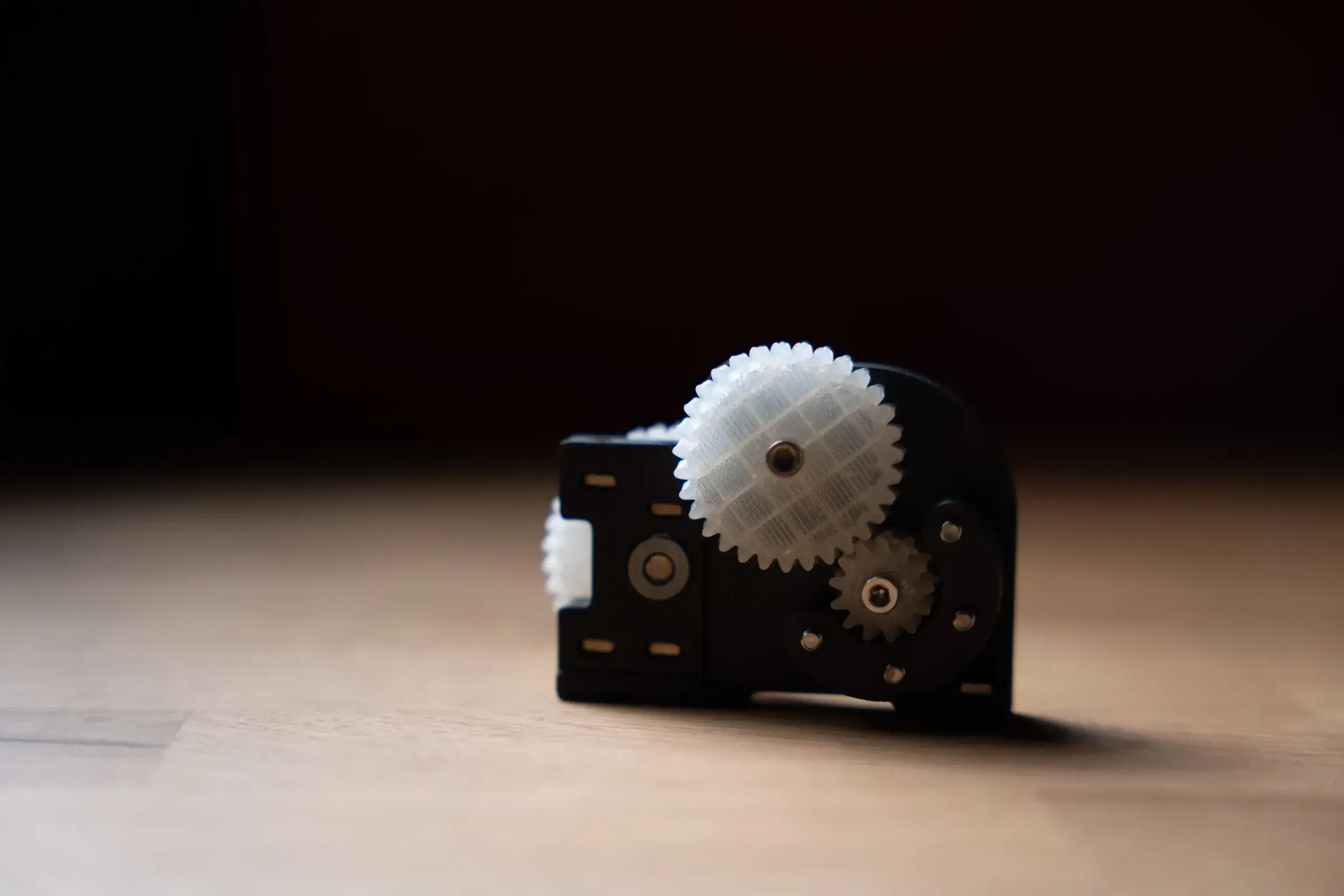
Prusa launched a carbon-fiber-free PA11 derived from castor oil. A counterintuitive call: for moving parts, the pure version beats the reinforced one on layer adhesion and friction.
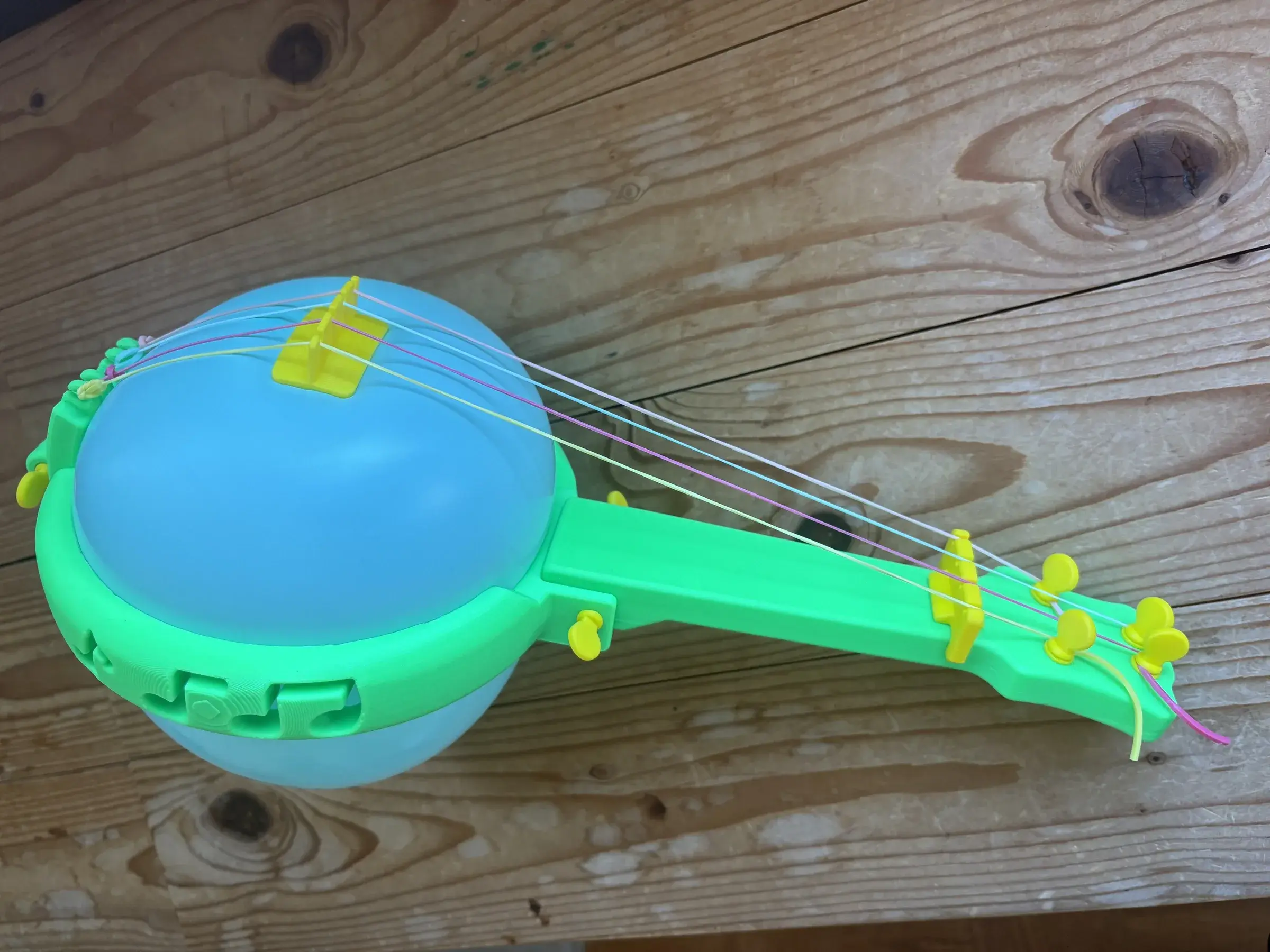
The Balloon Banjo uses a party balloon as a tunable resonator. Its better trick is mechanical: making assembly child-friendly deliberately increased the number of printed parts.
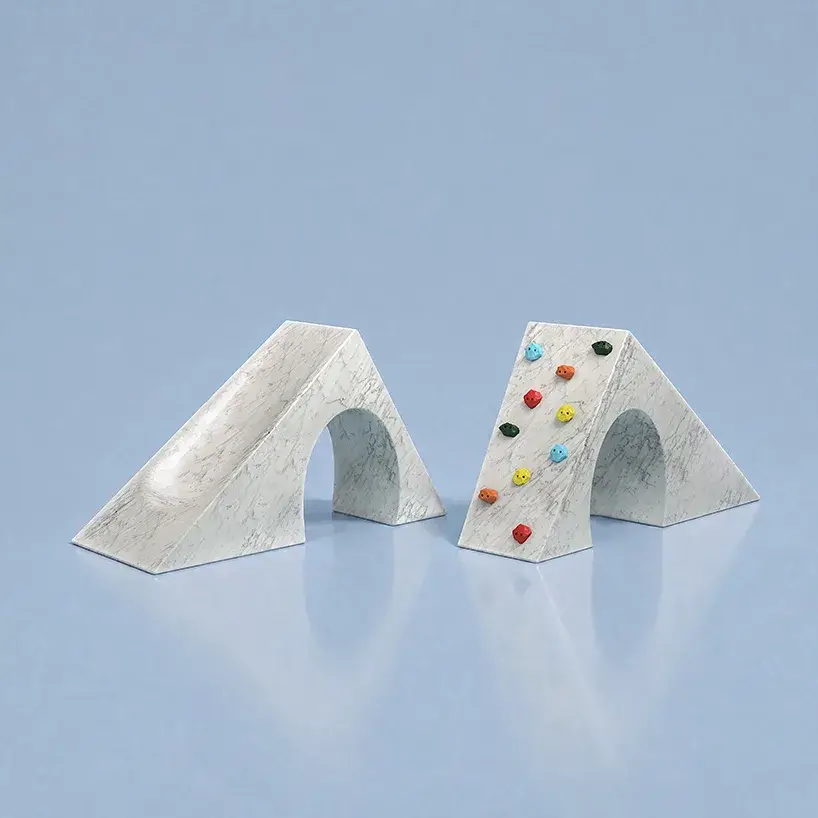
Marmifere borrows its forms from the ravaneti, Carrara’s quarry-waste heaps. Moving from a waste landscape to a recycled-material claim requires one more thing, however: a traceable material source.
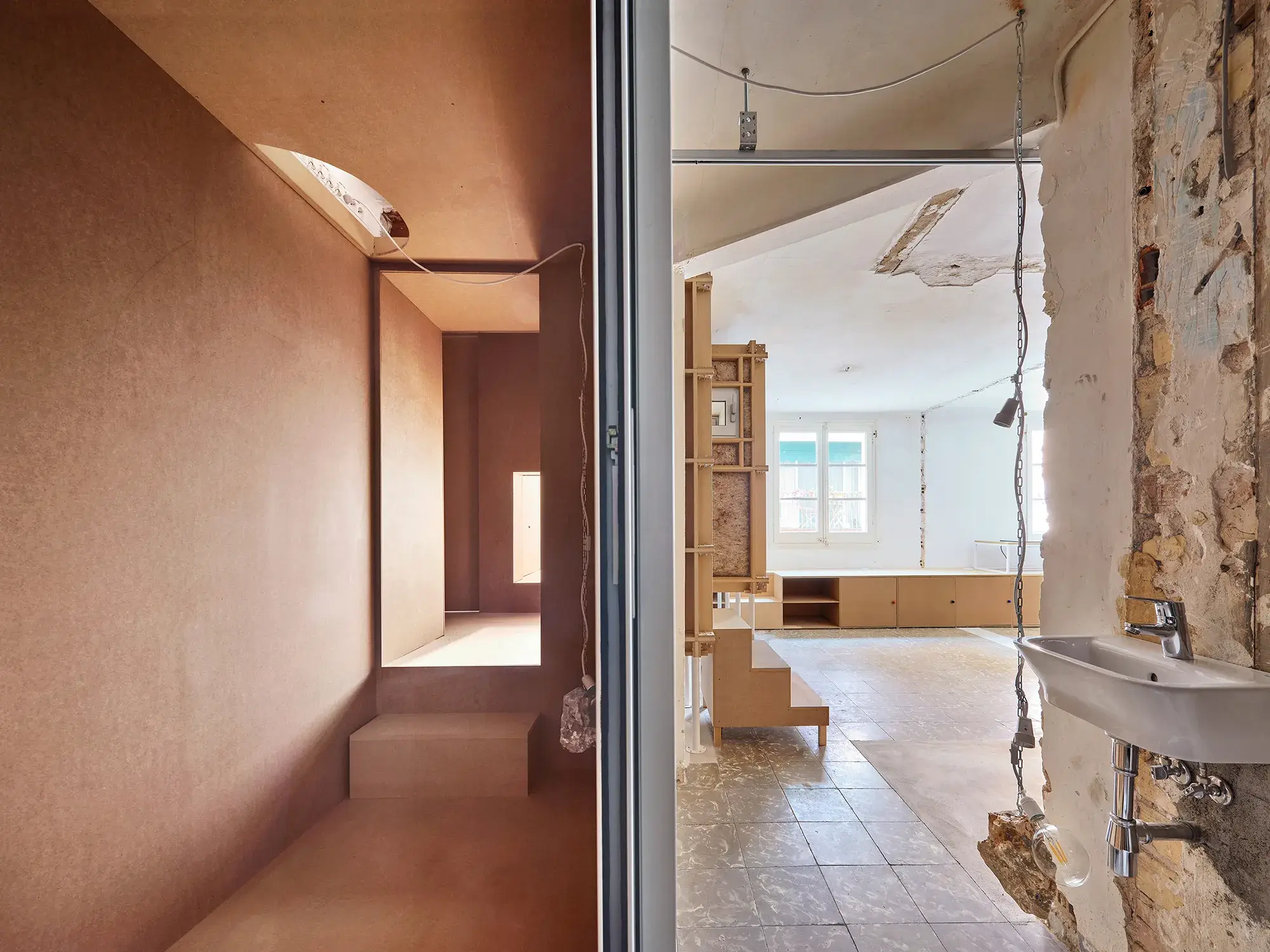
At TAKK, salazarsequeromedina and Ensamble Studio, a prototype does more than verify an idea. It exposes decisions that drawings cannot settle yet.

Puresport sent the same kit to four artists and received four different works. The real shift is not AI versus oil but hundreds of possible variants versus four authored originals with rights attached.
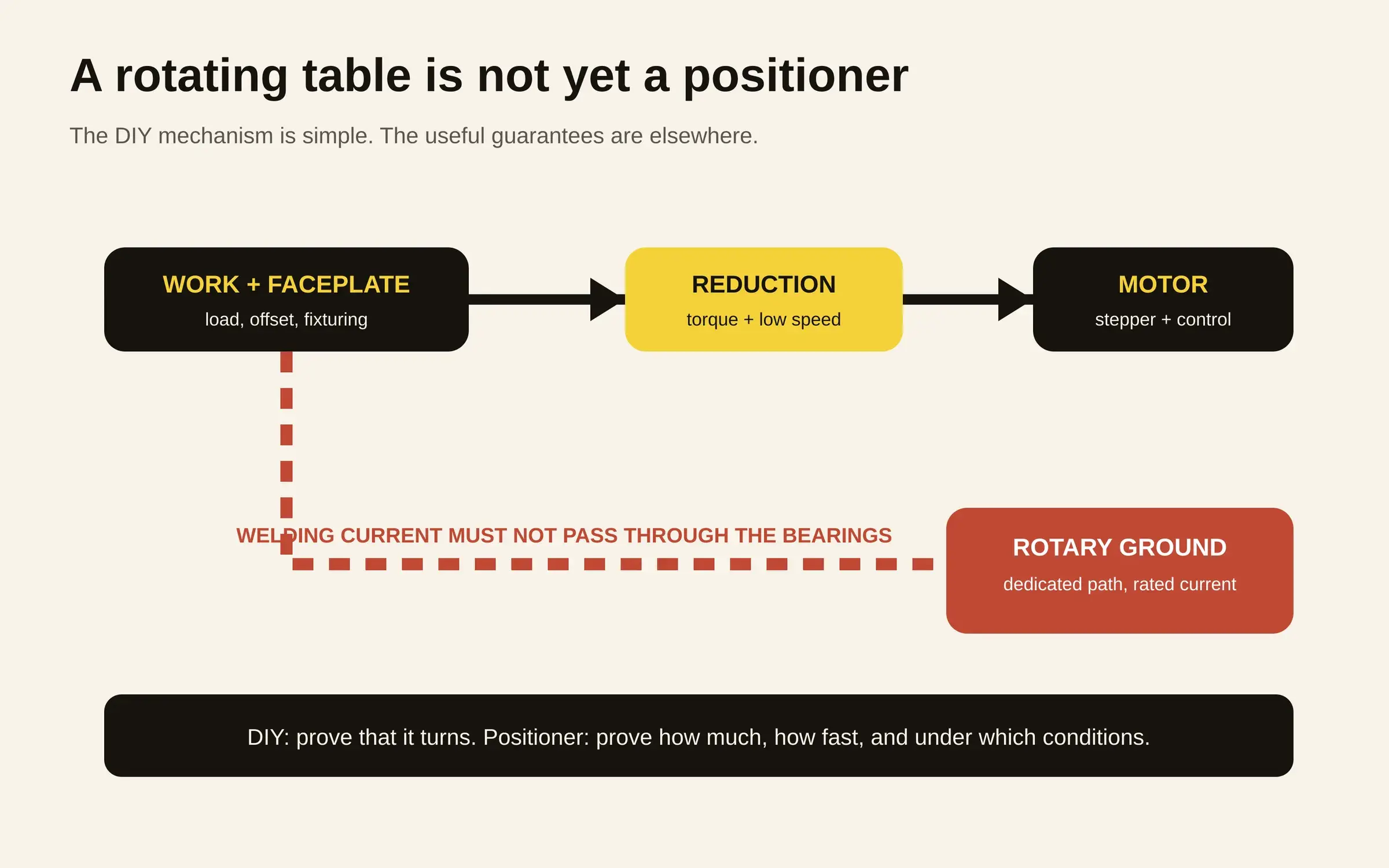
Greenhill Forge motorised a welding table with Arduino. The gap to a commercial positioner is mostly in published load, torque, speed and welding-current limits.
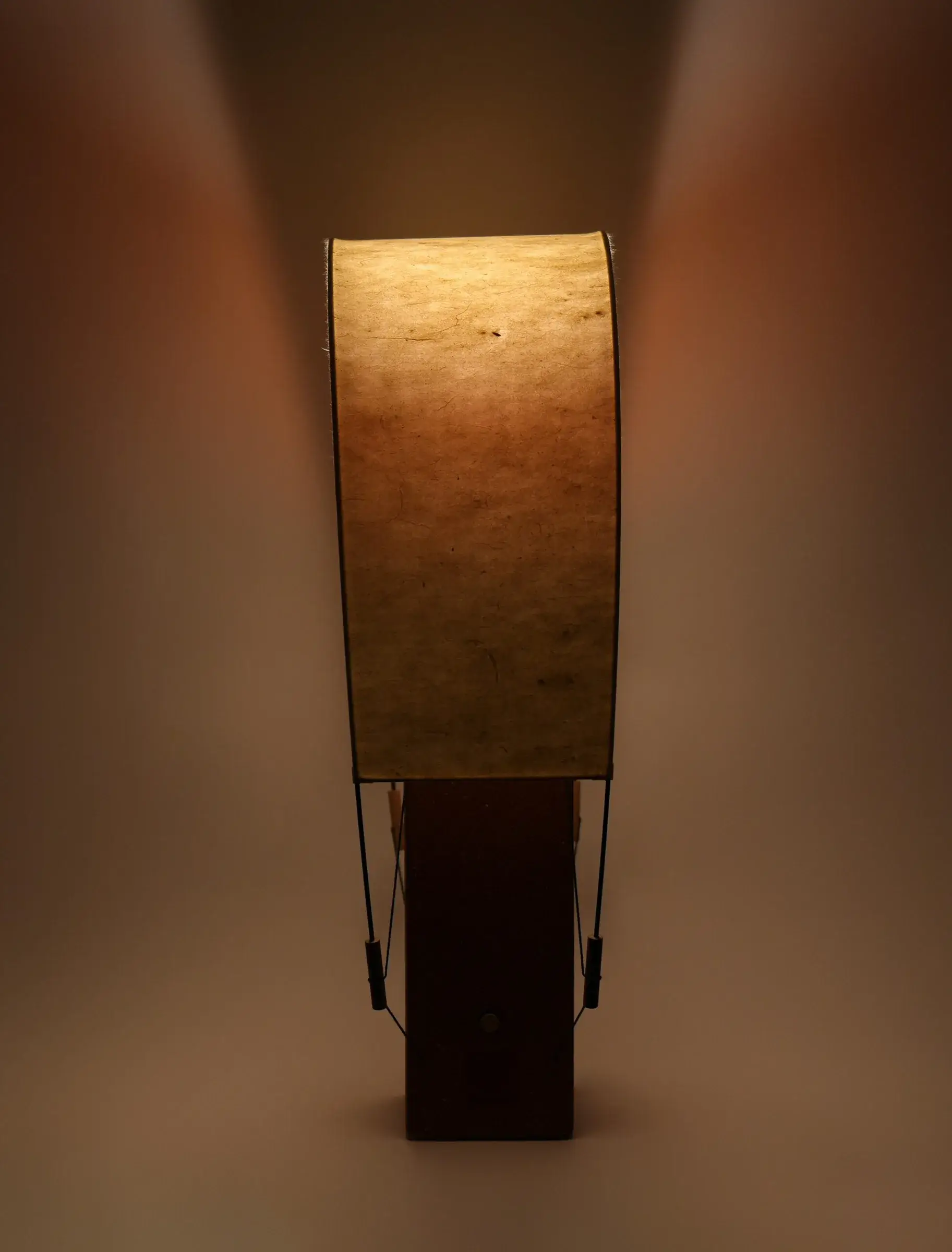
At Maison Cédrat, clay carries the load, washi diffuses the light, and a set of quiet interfaces lets the shade move or be replaced. The interesting part sits between the materials.
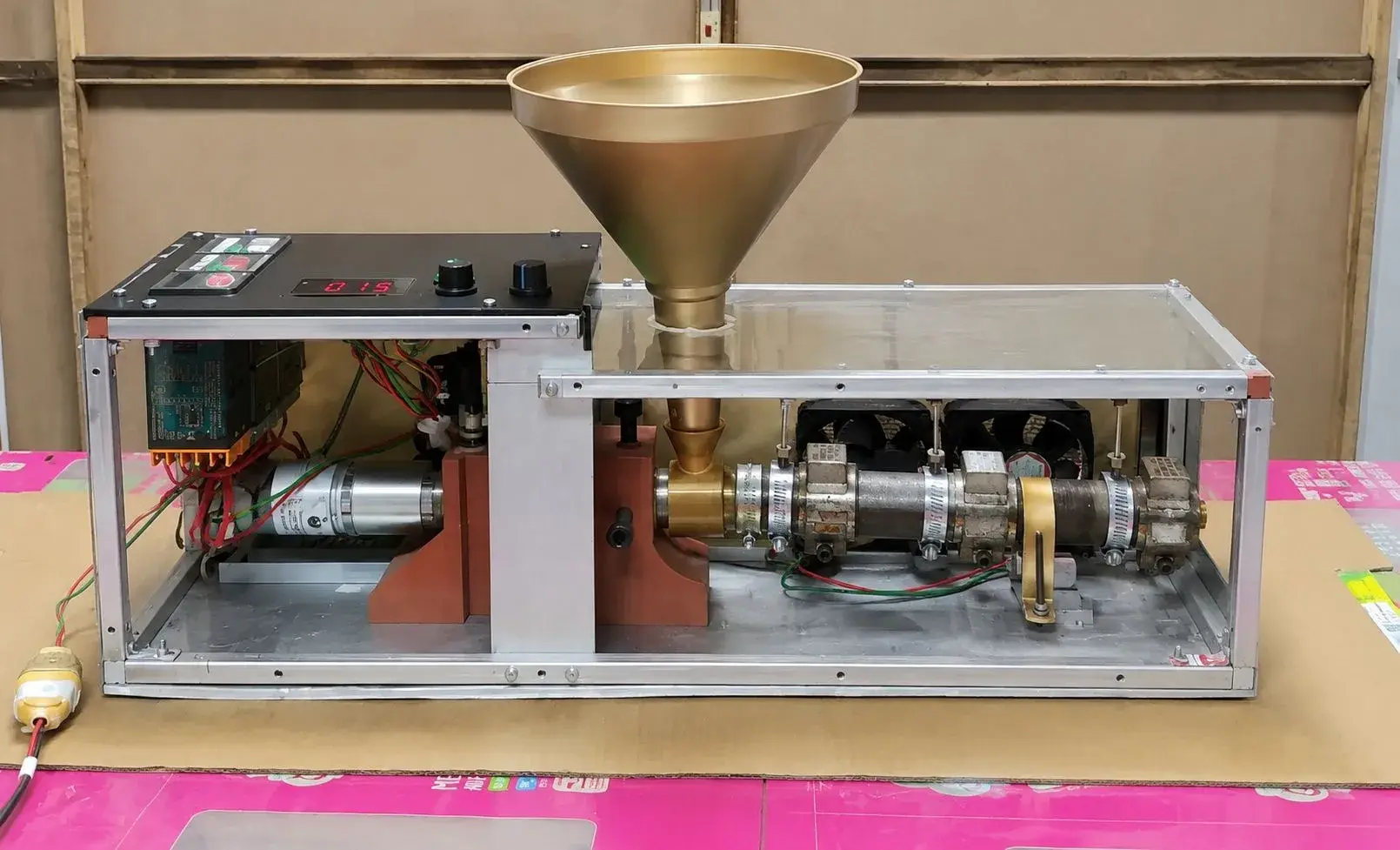
NIT Rourkela patented a portable extruder reported at roughly ₹45,000. The more useful question is what still surrounds it: sorting, washing, drying, shredding and qualifying recycled plastic.