A camera without a screen asks you to photograph differently. It also asks you to trust the machine, because you will not see what it captured until later.
The Godox C100 does exactly this. It is the first camera from Godox, a company better known for lighting gear, and its most unusual decision is what it leaves out: there is no rear screen and no electronic viewfinder.1 In their place sits a transparent optical viewfinder and a built-in light meter, wrapped in a deliberately see-through body.1
The price makes the bet easier to try: around thirty to forty-five dollars, depending on the retailer.4
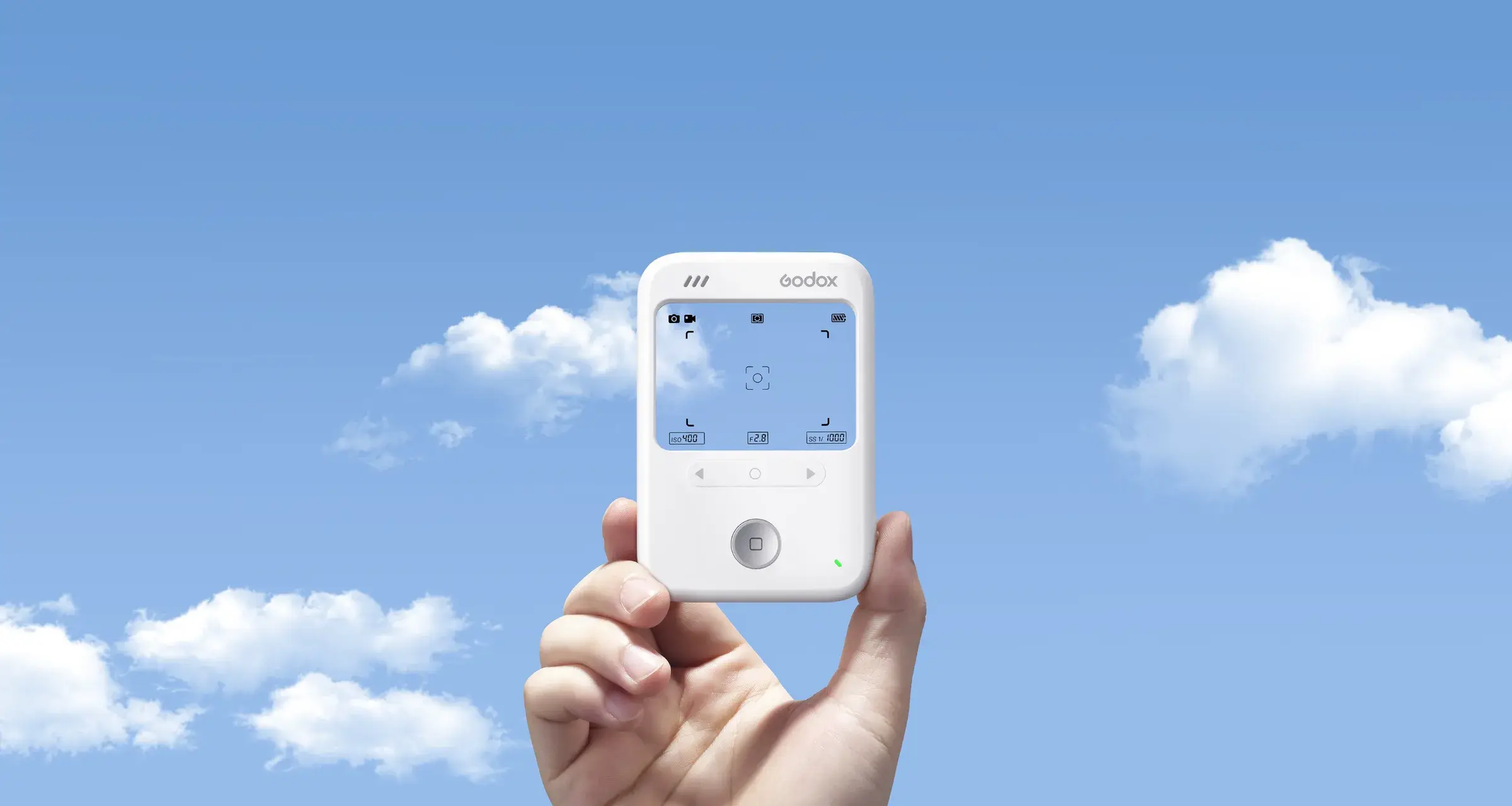
The missing screen
Most modern cameras are built around the screen. You frame, review and adjust from the same panel, and the photograph effectively reaches you twice: once as a preview, once as a result. The C100 removes that loop.
Composition happens through the transparent viewfinder, with the world visible around the frame rather than replaced by it. Exposure is handled by the light meter. You take the shot, and only then do you find out what the camera actually saw.
That is a real change in practice, not a gimmick. It slows the process down, forces decisions before feedback, and reintroduces a little of the uncertainty that screens were designed to remove. Digital Camera World called it the weirdest camera it had used, and meant it almost as praise — “way more fun than it has any right to be”.4
A misaligned promise
The reviews that followed the launch mostly agree on the concept and disagree with the execution.
PetaPixel’s hands-on was blunt: the viewfinder does not line up with the actual image, close focus is poor, image quality is weak, and there are no exposure controls of any kind.3 NewsShooter described the same device more charitably as a compact, pocket-sized camera with a genuinely unusual viewfinder.2

The gap between the two is the interesting part. The design bet — remove the screen, trust the viewfinder — is coherent and worth trying. The specific implementation, at least in these early reviews, does not yet deliver the precision the bet requires. A viewfinder that does not line up with the image is not a philosophical choice; it is a mechanical failure that undermines the whole idea.
That distinction matters for how we read the product. The C100 is not proof that screenless cameras are a dead end, nor that they are the future. It is a prototype of an idea, sold at a price low enough that the market can vote with its wallet. Godox can iterate; the concept can survive a rough first version.
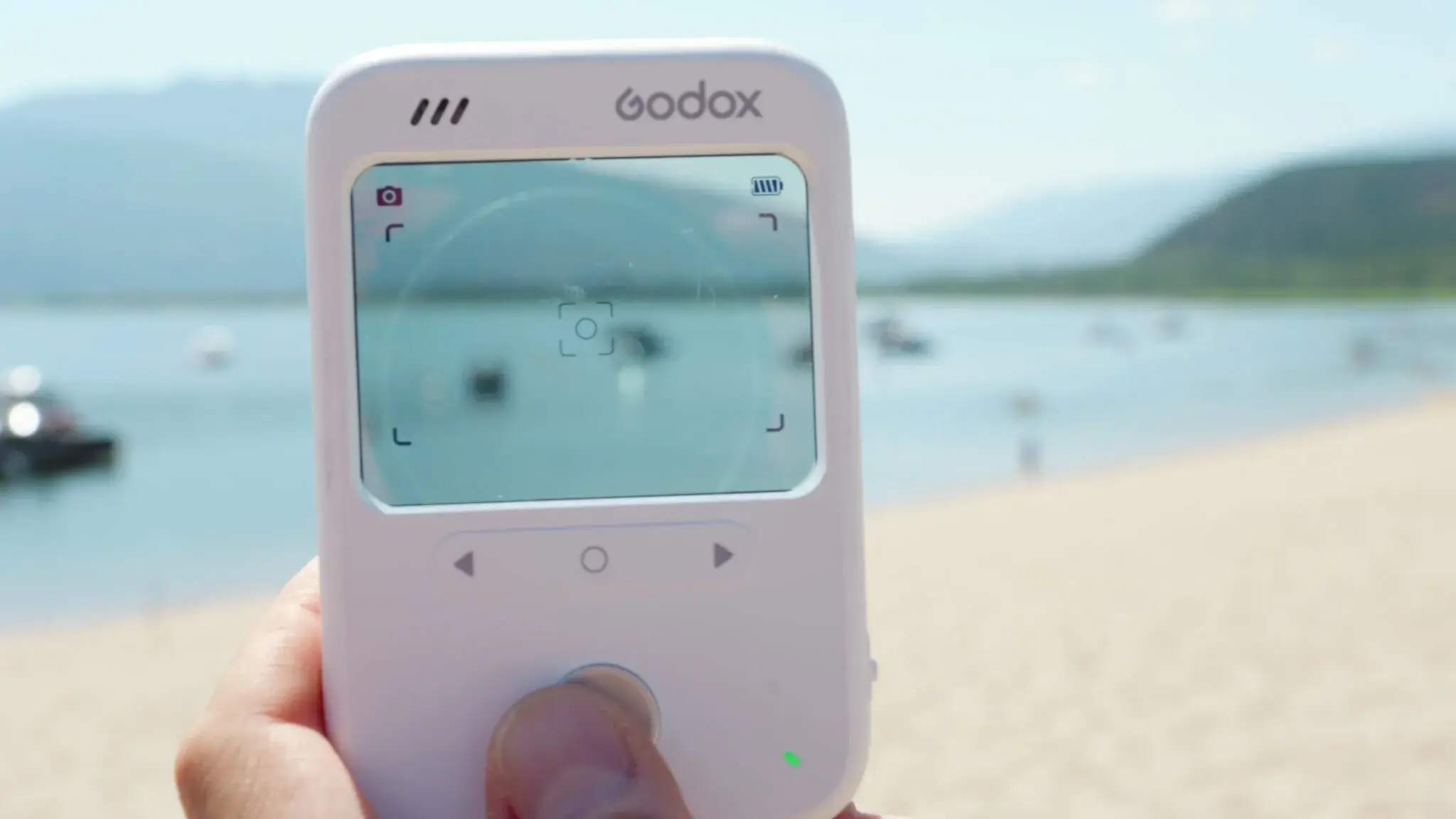
The C100 sits inside a wider debate that is easy to forget has a history. Screens were supposed to remove the uncertainty of film — the moment between pressing the shutter and seeing the result. Removing the screen deliberately reintroduces that uncertainty, and with it a little of the discipline that uncertainty forces: you think before you shoot because you cannot immediately check.
The useful question is not whether the C100 is good. It is whether removing the screen changes how you think about a photograph before you take it. On that, even the harshest reviews agree: it does. Whether that trade is worth making is now a question the market gets to answer at thirty dollars a try.