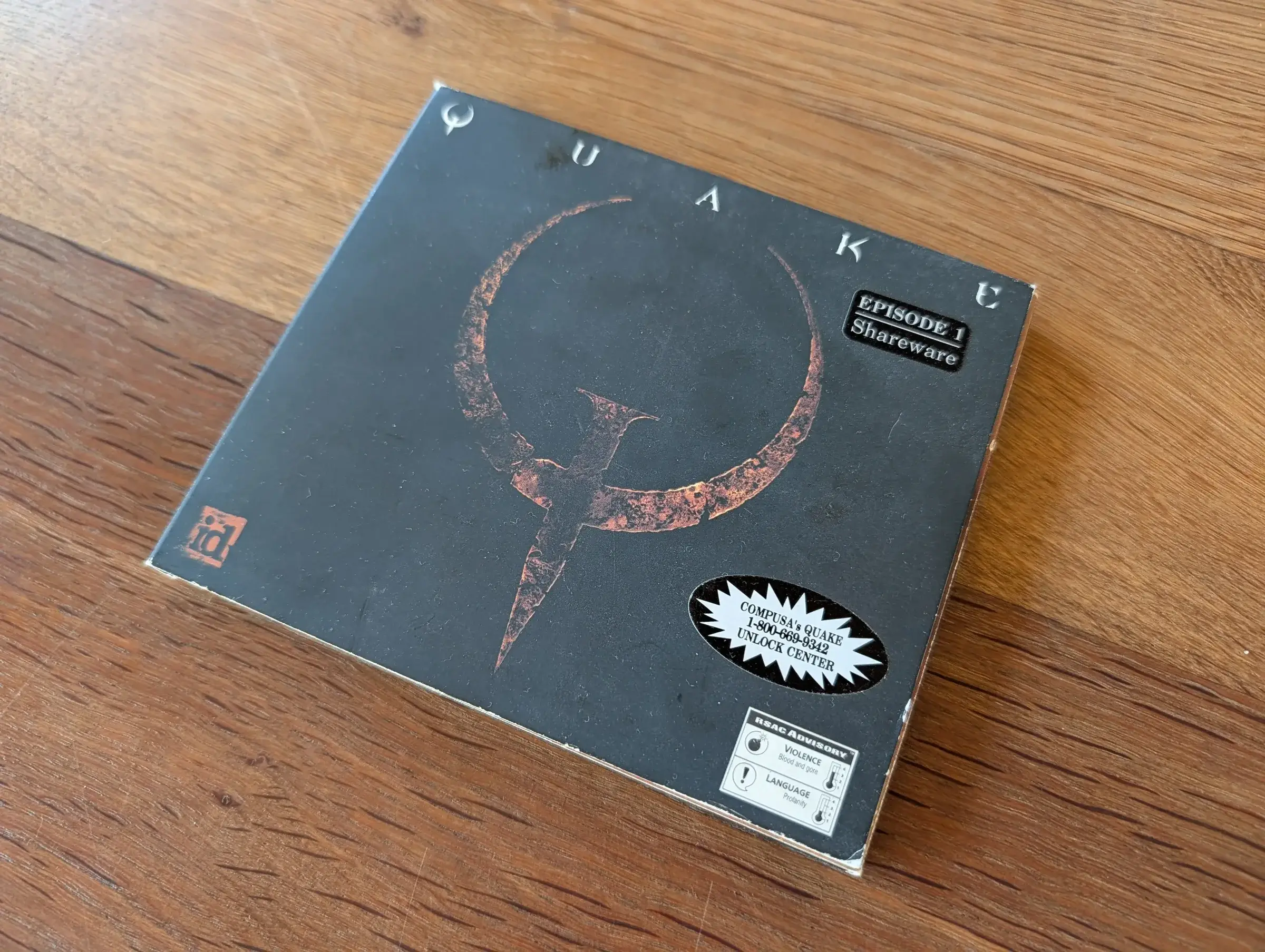
Quake's shareware CD contained the games you still had to buy
In 1996, unused CD capacity became a local software store: the payload was already on the disc, while a phone call sold permission to unlock it. The trust boundary was the fragile part.
Archive
IRZ Tech archive, page 13.
In 1996, unused CD capacity became a local software store: the payload was already on the disc, while a phone call sold permission to unlock it. The trust boundary was the fragile part.
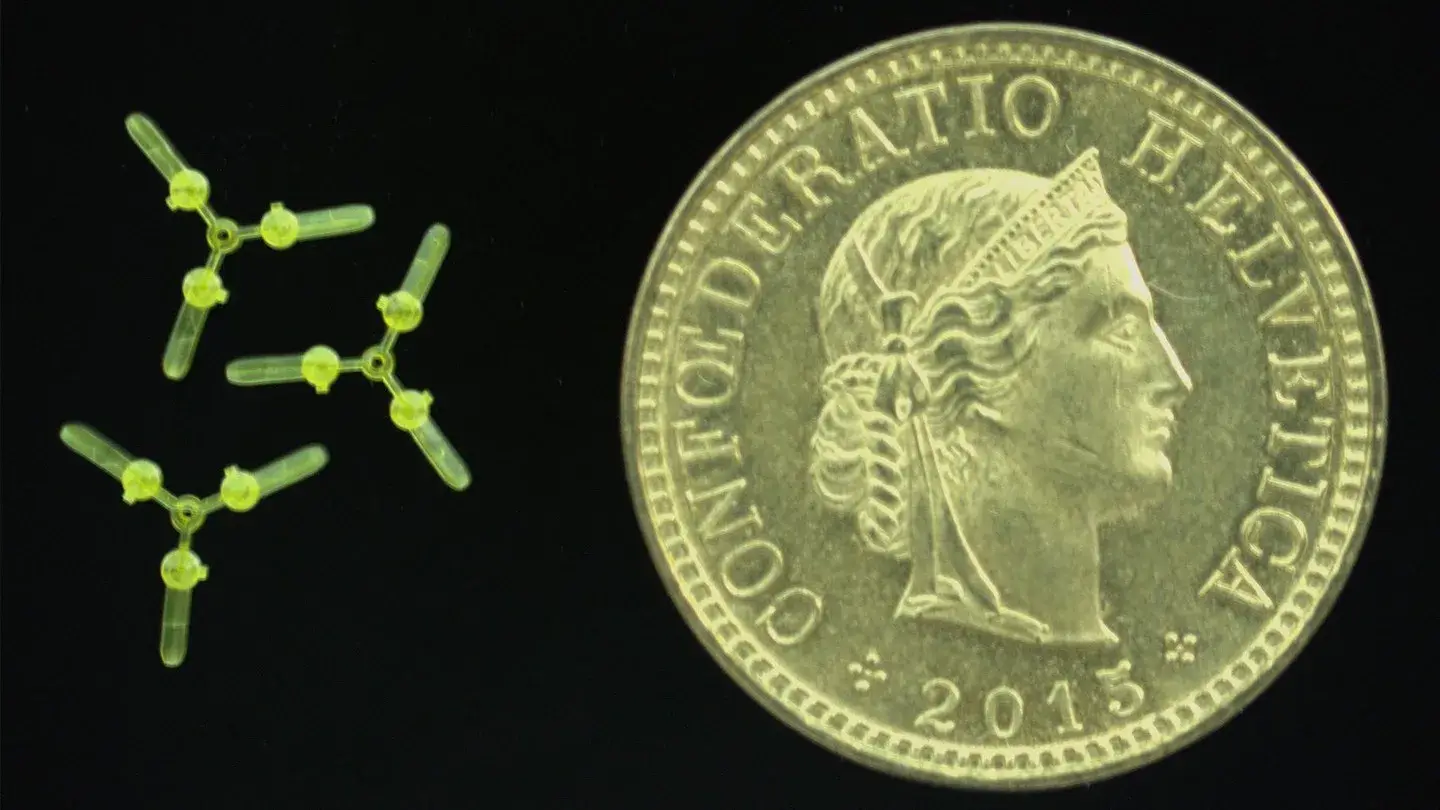
At EPFL, tuned cavities convert external sound into an air jet. The motor is not simply miniaturized: part of the machine is moved into its environment.
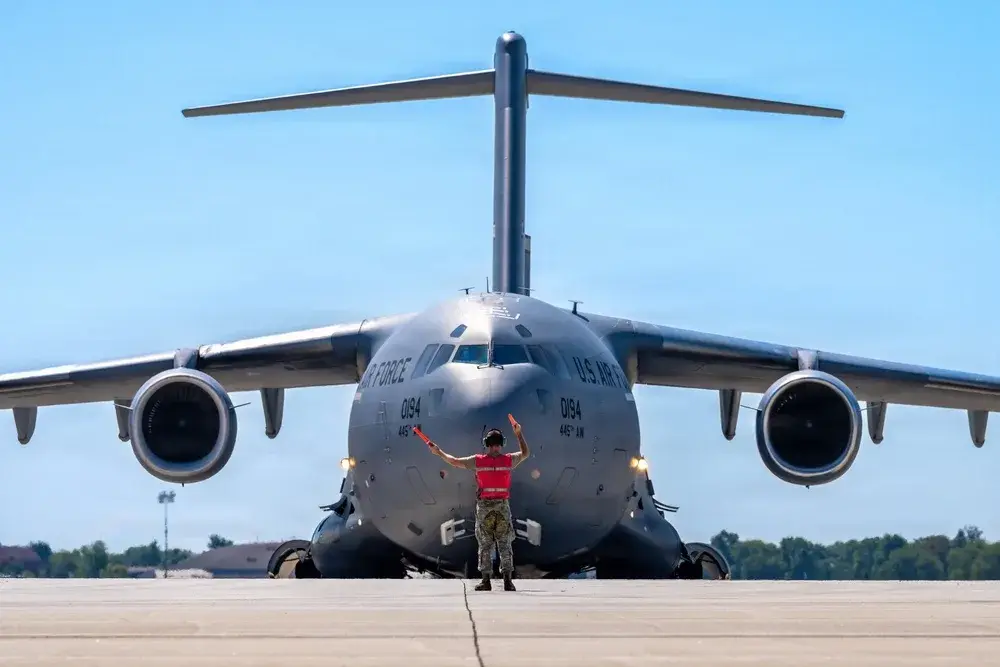
A nose panel no supplier wanted to tool up for could have grounded a C‑17 for years. The Air Force formed one without a dedicated die, pointing to a different model for keeping old machines alive.
Vocal Slice transcribes a voice recording on your machine, then lets you cut the audio by selecting text in the transcript. The waveform stops being the timeline; the words become it.
A single page can build a detailed profile of your browser before you click anything — no cookie, no permission, no consent dialog. The banner is the visible part; fingerprinting is the part that survived it.
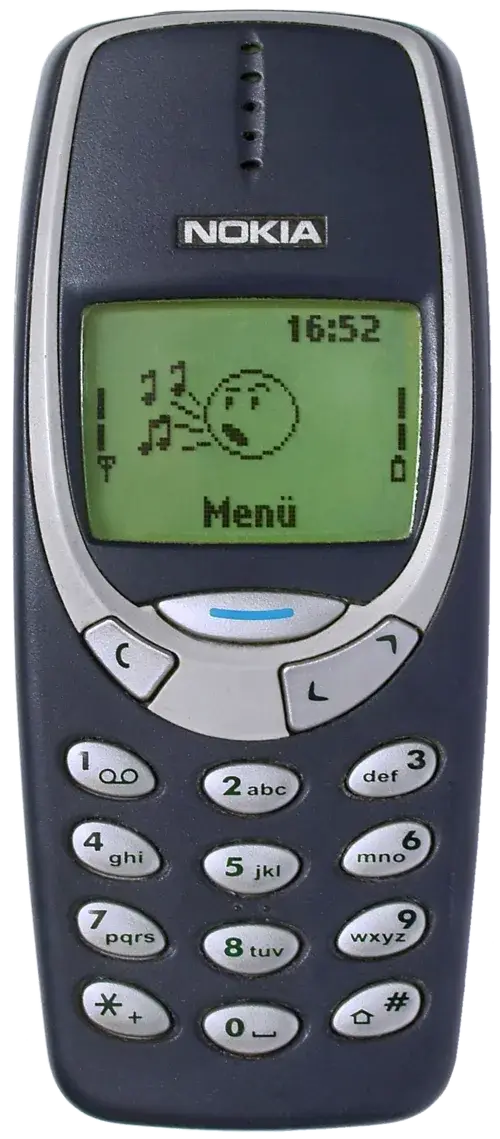
The DCT3 project models the chips, display, SIM and even a synthetic GSM network. Nokia firmware is neither bundled nor patched: users bring their own .fls image.
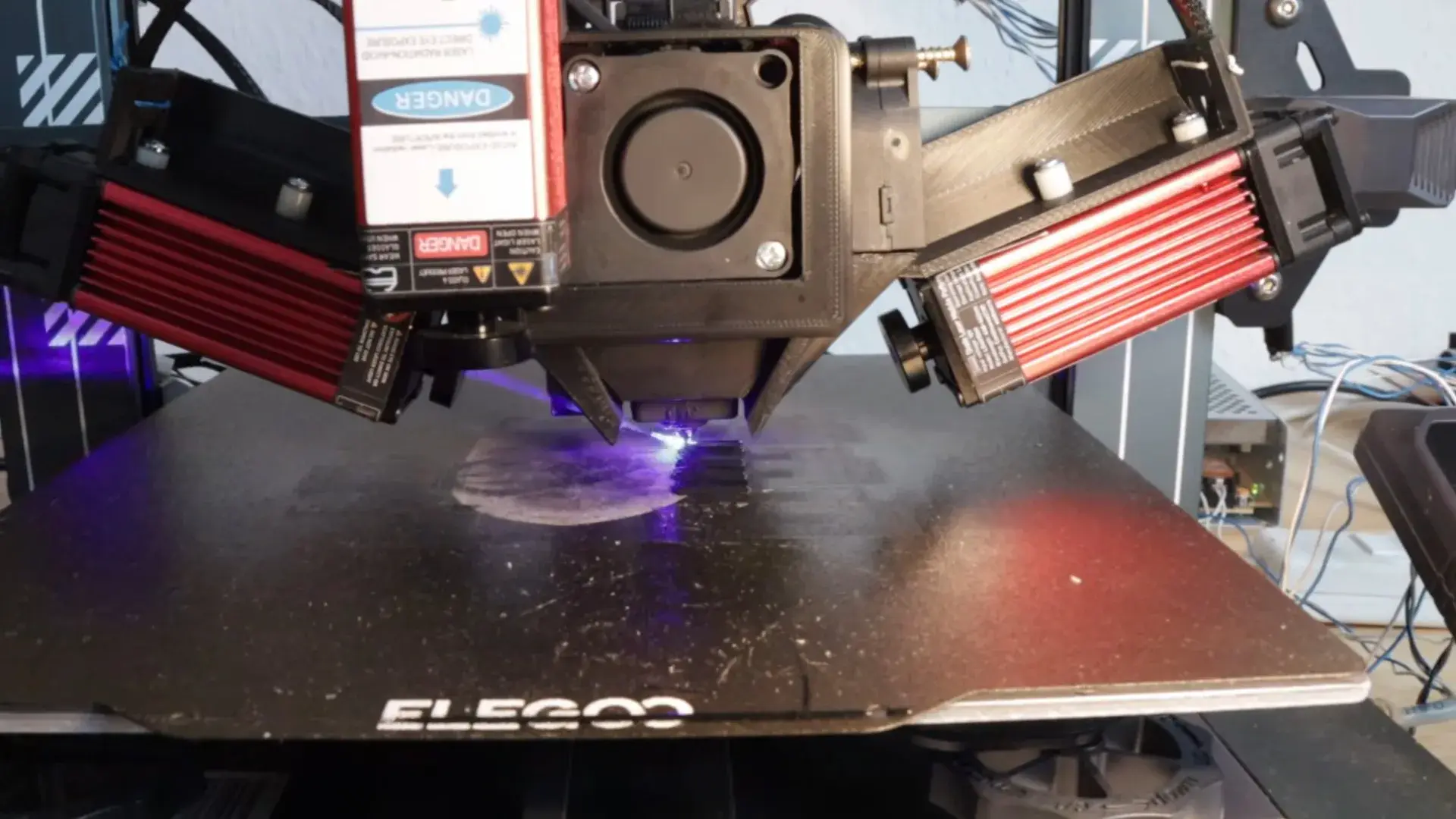
An experimental toolhead reheats the previous layer just before the nozzle arrives. In the creator’s tests, ABS reached up to 94% of the strength measured in the other orientation.
The 1988 hardware still works. Giving it something to talk to required a new flash card, two CPUs worth of reverse engineering, a simulated phone line and a replacement for a vanished server.
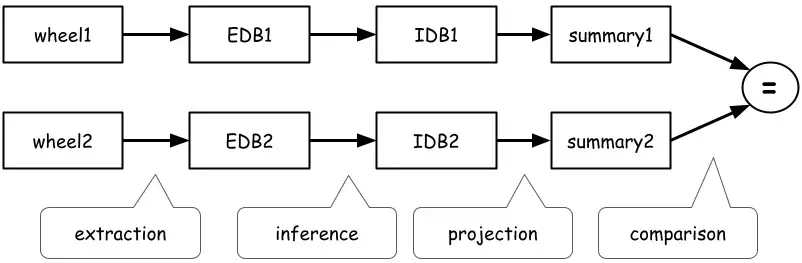
A study of 12,180 PyPI releases shows why provenance, byte-for-byte identity and build equivalence answer three different trust questions.
A deployed device cannot record everything. Its logging system must decide in advance which evidence will survive the next incident.