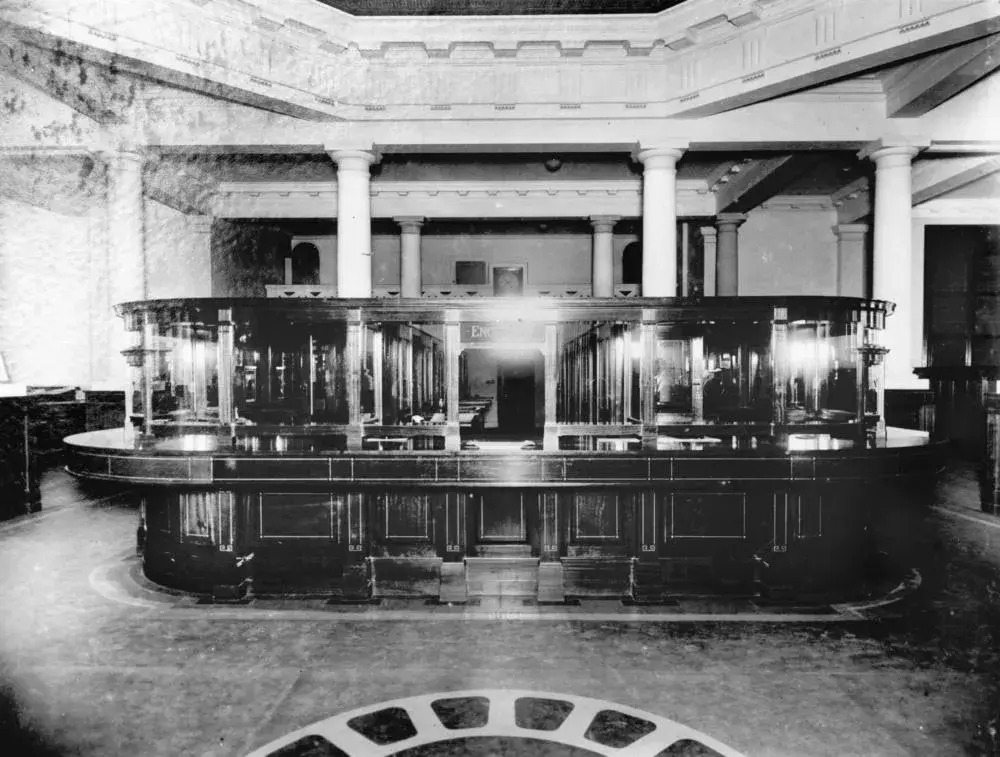
The ATM never killed the bank teller
Automating a task doesn't necessarily kill the profession around it. Tellers, radiologists, Klarna, measured developers: what survives beyond the task, and the honest case where everything goes.
Archive
IRZ Ideas archive, page 2.
Automating a task doesn't necessarily kill the profession around it. Tellers, radiologists, Klarna, measured developers: what survives beyond the task, and the honest case where everything goes.
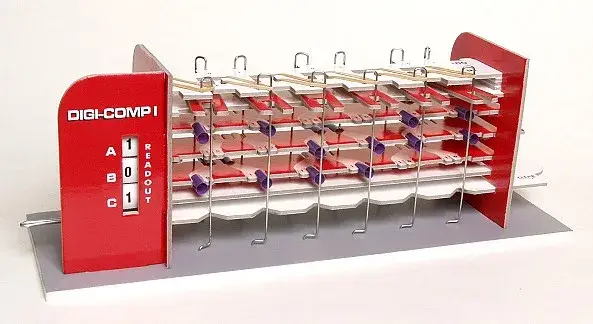
Three mechanical flip-flops, a hand clock and plastic tubes expose state, Boolean logic and counting. The machine teaches precisely because it cannot hide much.
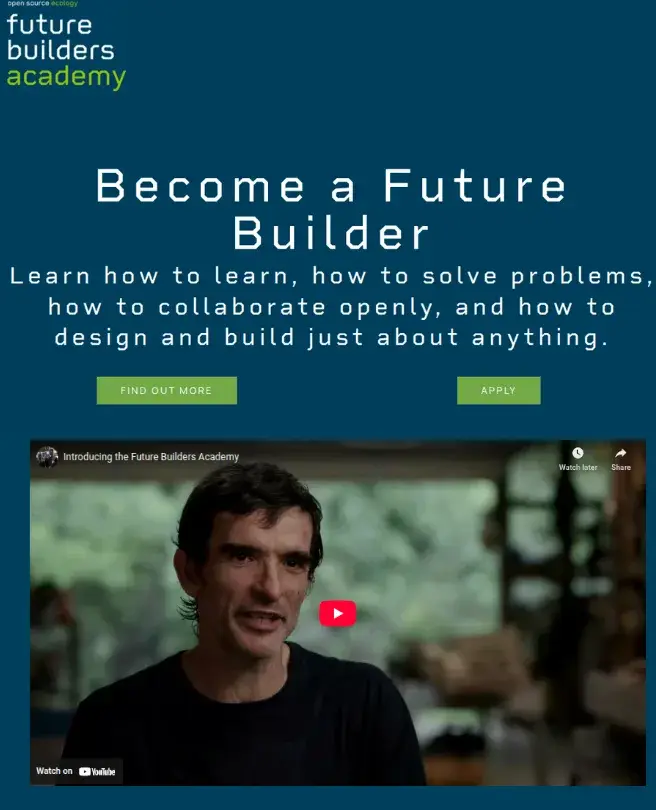
The Future Builders Academy wants learning to produce something real. Applicants already have to build a wall panel, film the process and document quality-control points.
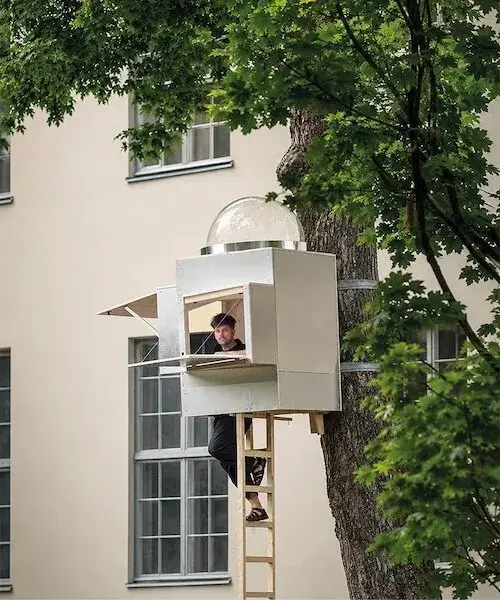
Opposite Office installed an approximately one-square-metre office in a tree in Weimar. It can contain two or three architects, but not a normal working day.

Justin Garrison describes a workstation where terminal, garage bench and cheap tools form one learning system.

ANURA organises its body around the distance between two handle holes. The grid makes disassembly legible, but it does not yet solve parts, diagnostics or mechanics.
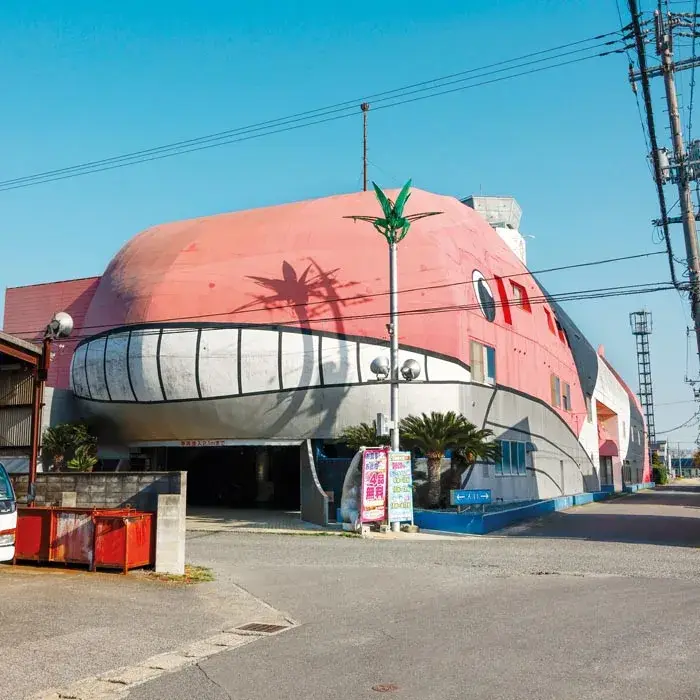
By repeating almost the same framing across hundreds of facades, François Prost turns Japanese love hotels into a comparable visual system rather than a collection of curiosities.
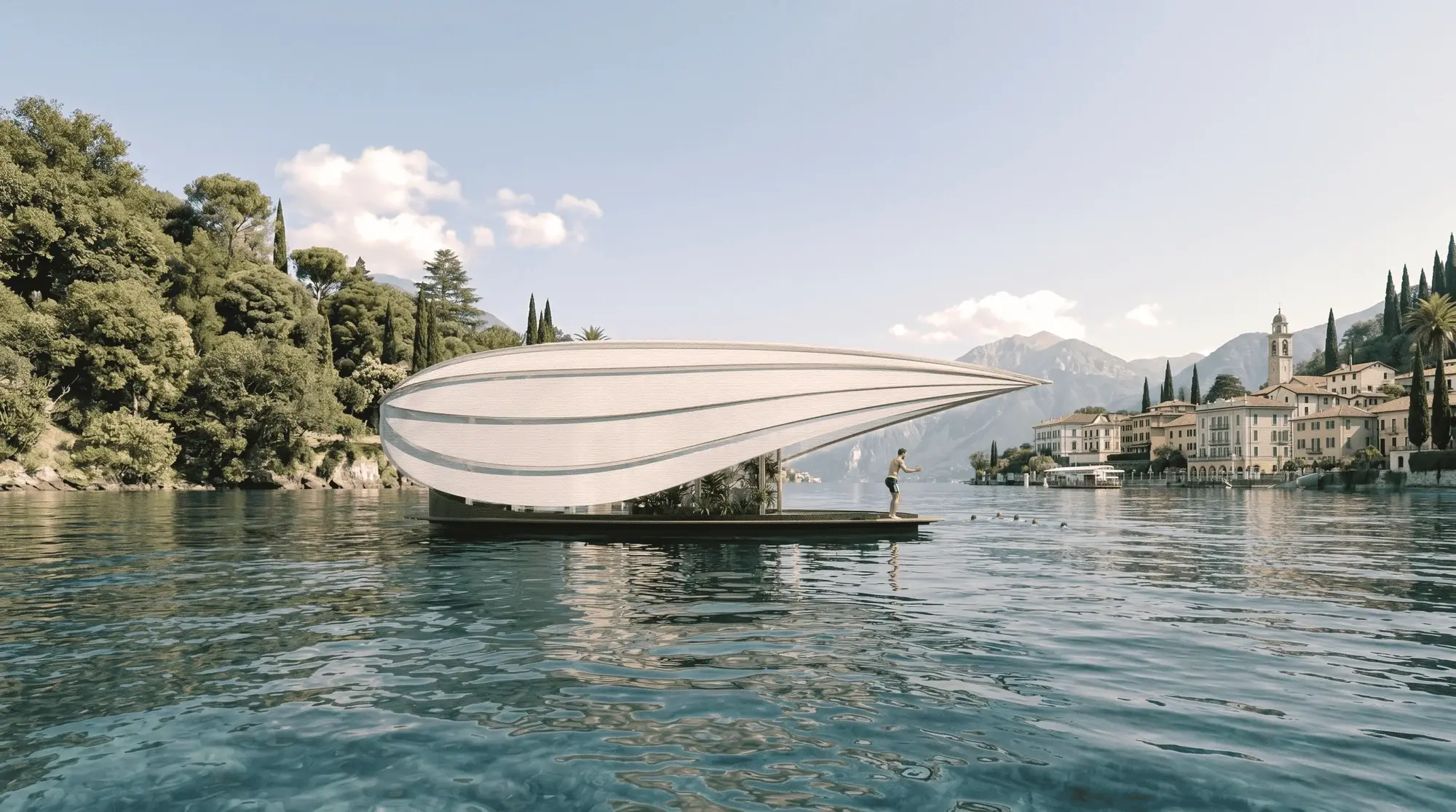
Lucia compresses mobile living into 25 m² and turns its roof into an interface between shelter and landscape. The spatial idea is clear; the engineering evidence for a real vessel is not public yet.
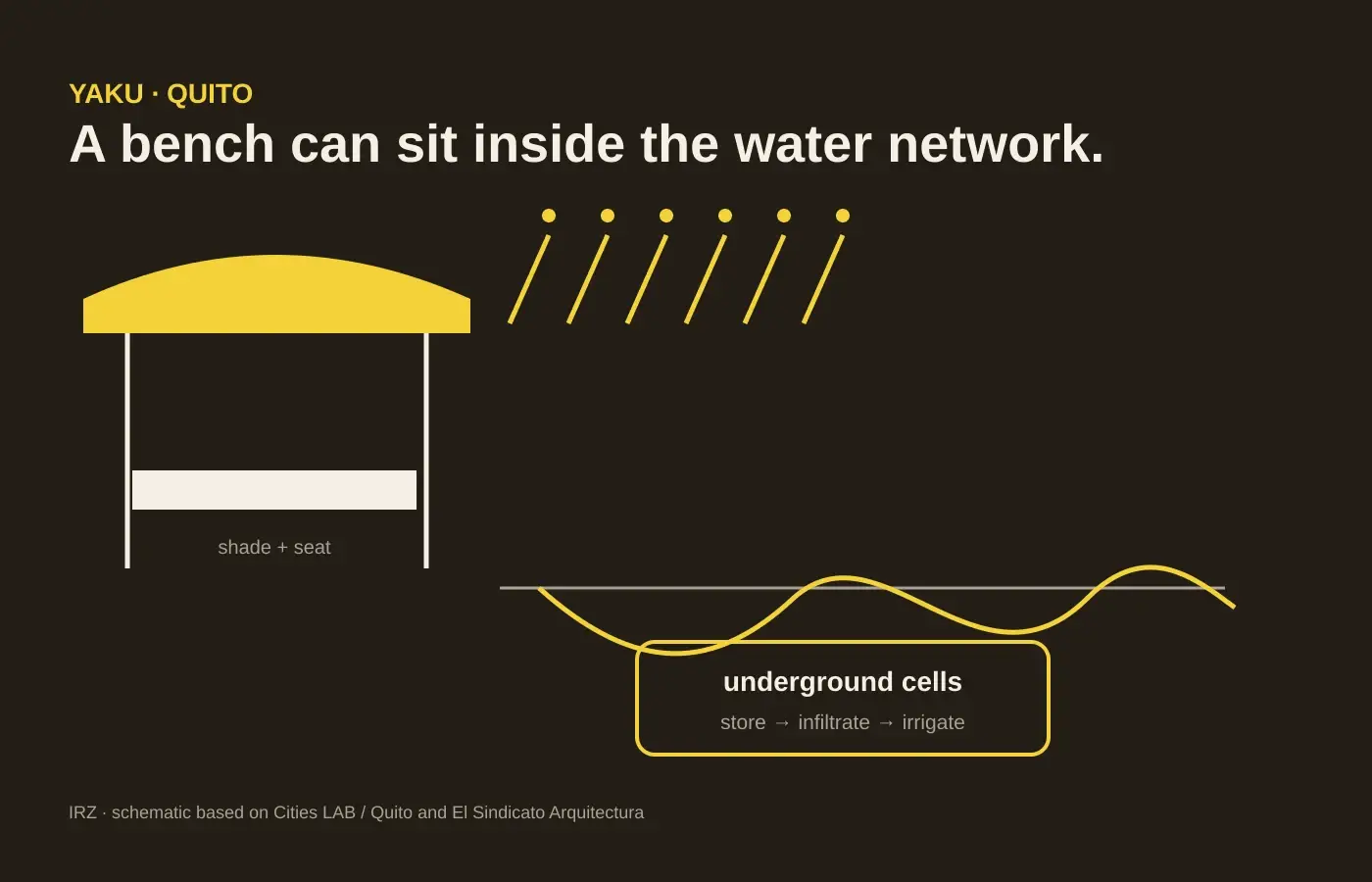
Yaku looks like shaded street furniture. Under its 27 m² footprint it stores and infiltrates rain; the pilot retained over 1,000 litres during one event before that water could load the drainage network.
CreativeRates trades one anonymous rate for a year of access to pay data in the same discipline. The mechanism creates transparency, along with its own sampling biases.