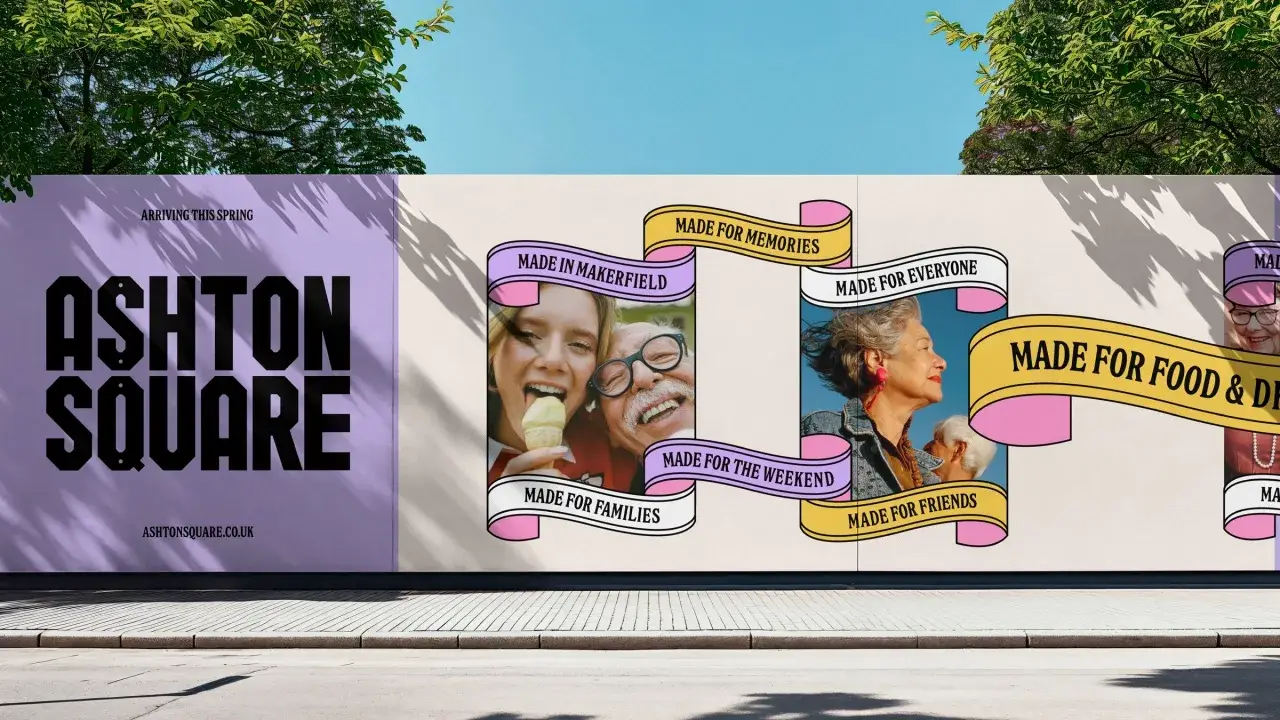
The world's press saw decline. The town was still making things.
While the world's TV crews covered the by-election, a car park was turning back into a market ground seven centuries old, with a StudioDBD identity designed never to be finished.
Archive
IRZ archive, page 8.
While the world's TV crews covered the by-election, a car park was turning back into a market ground seven centuries old, with a StudioDBD identity designed never to be finished.
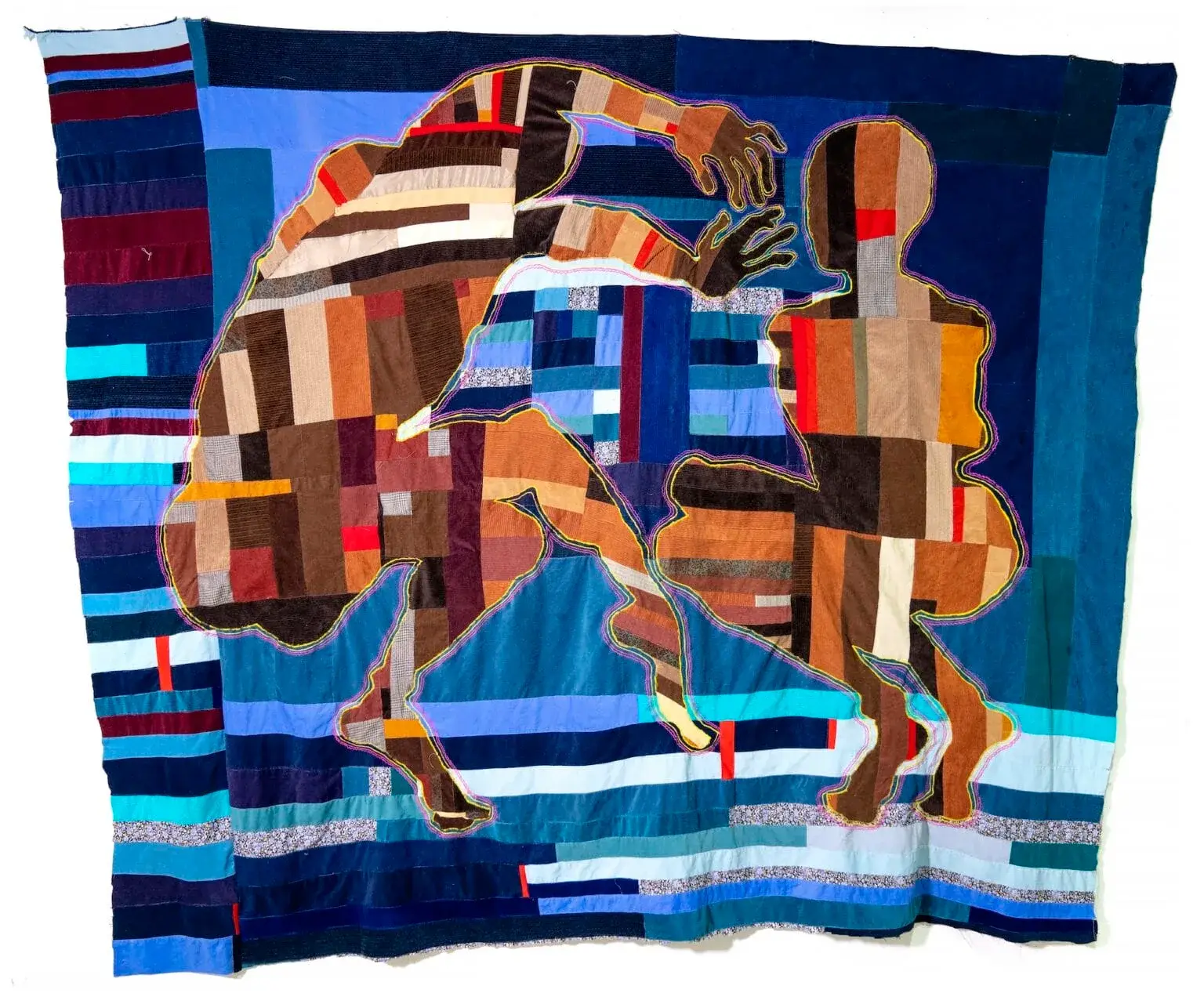
Black American quilts do not need a secret code to function as archives: materials, stitches, commissions, cooperatives and uses already carry verifiable history.
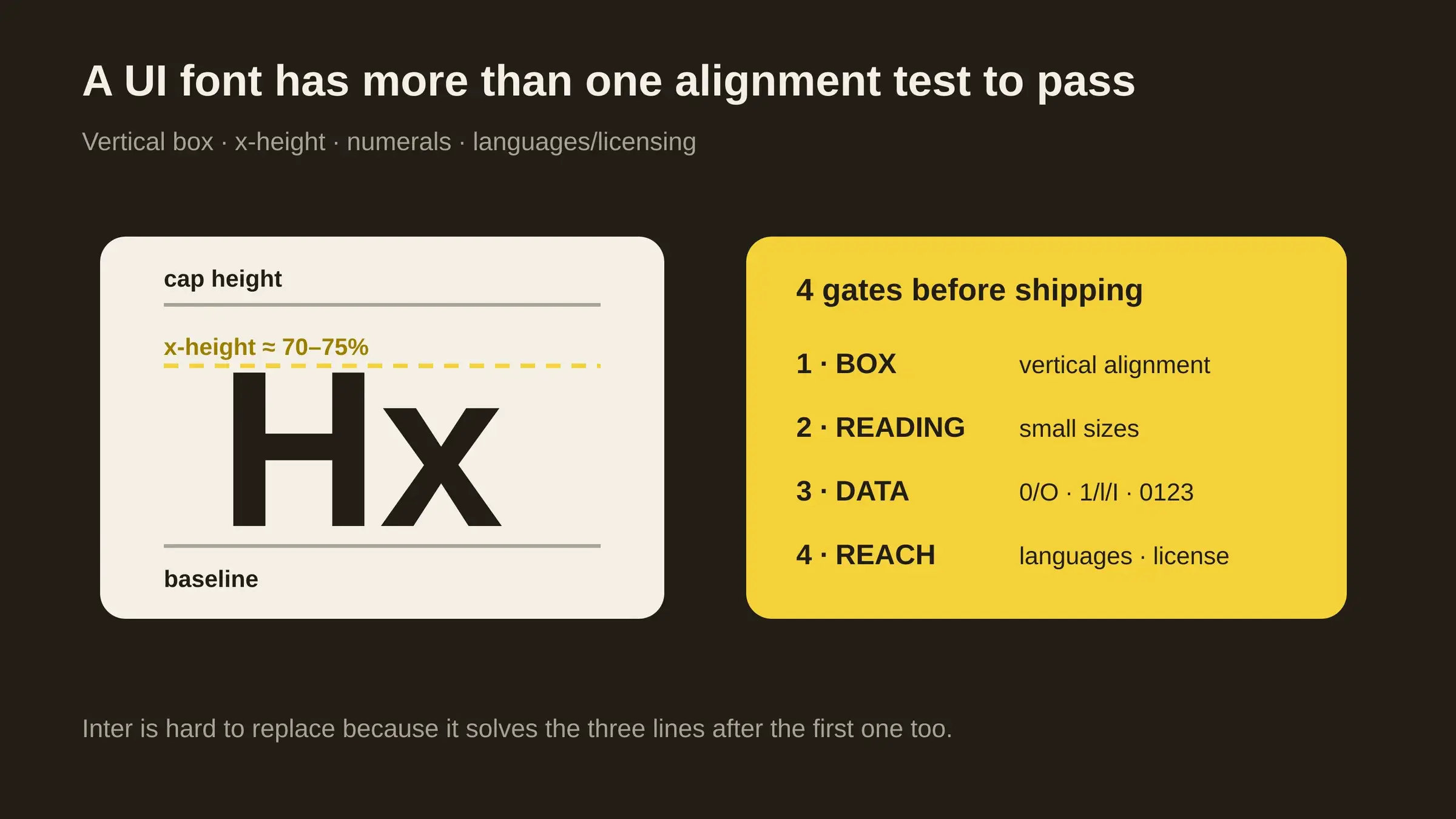
Tall x-height and cap-centered vertical metrics remove a lot of button nudging. A UI font still has to pass the tests of numerals, language coverage and licensing before it ships.
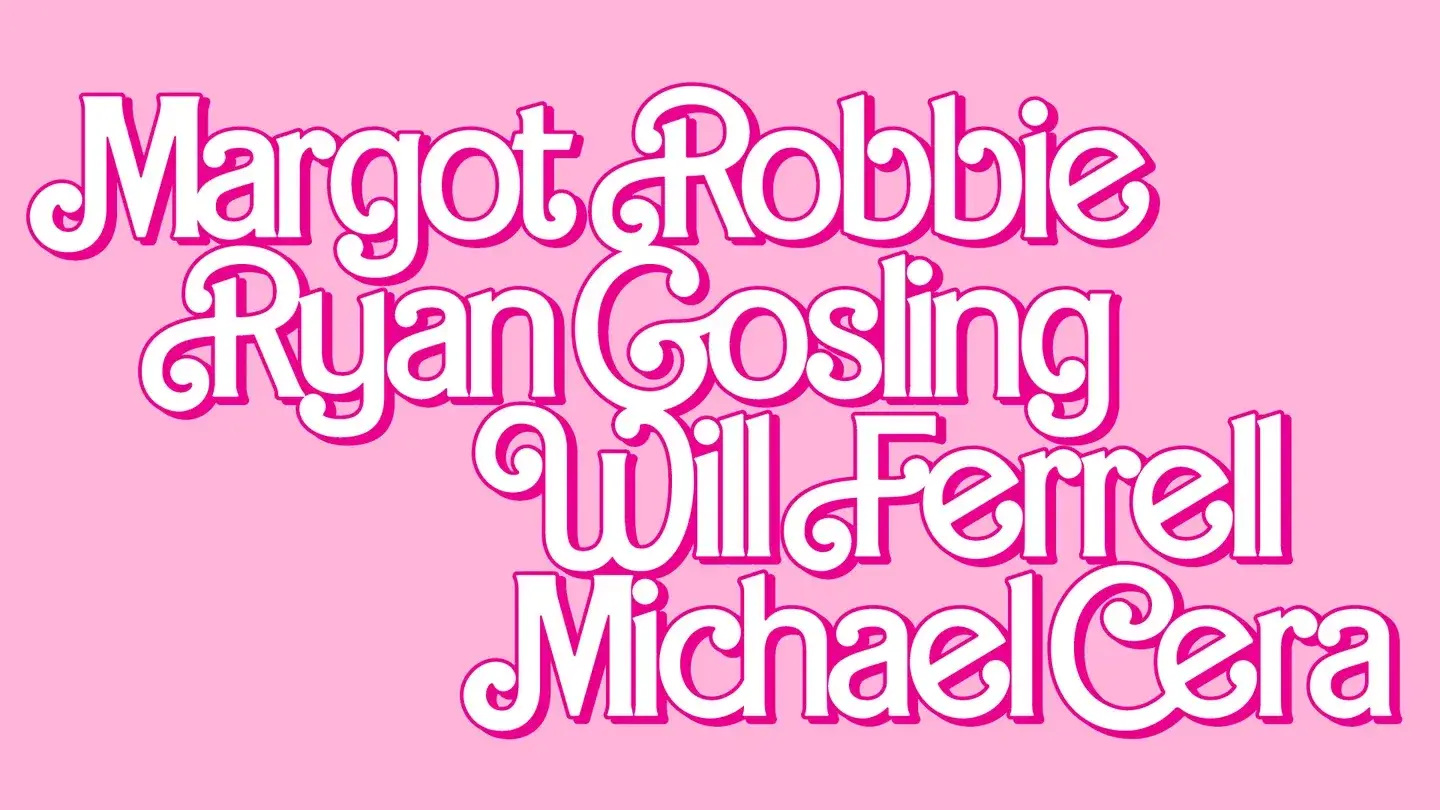
Teddy Blanks does not begin a film title with a typeface. For Barbie, Werwulf or Nickel Boys, he first finds a real artifact from the film’s world, then reconstructs what is missing.
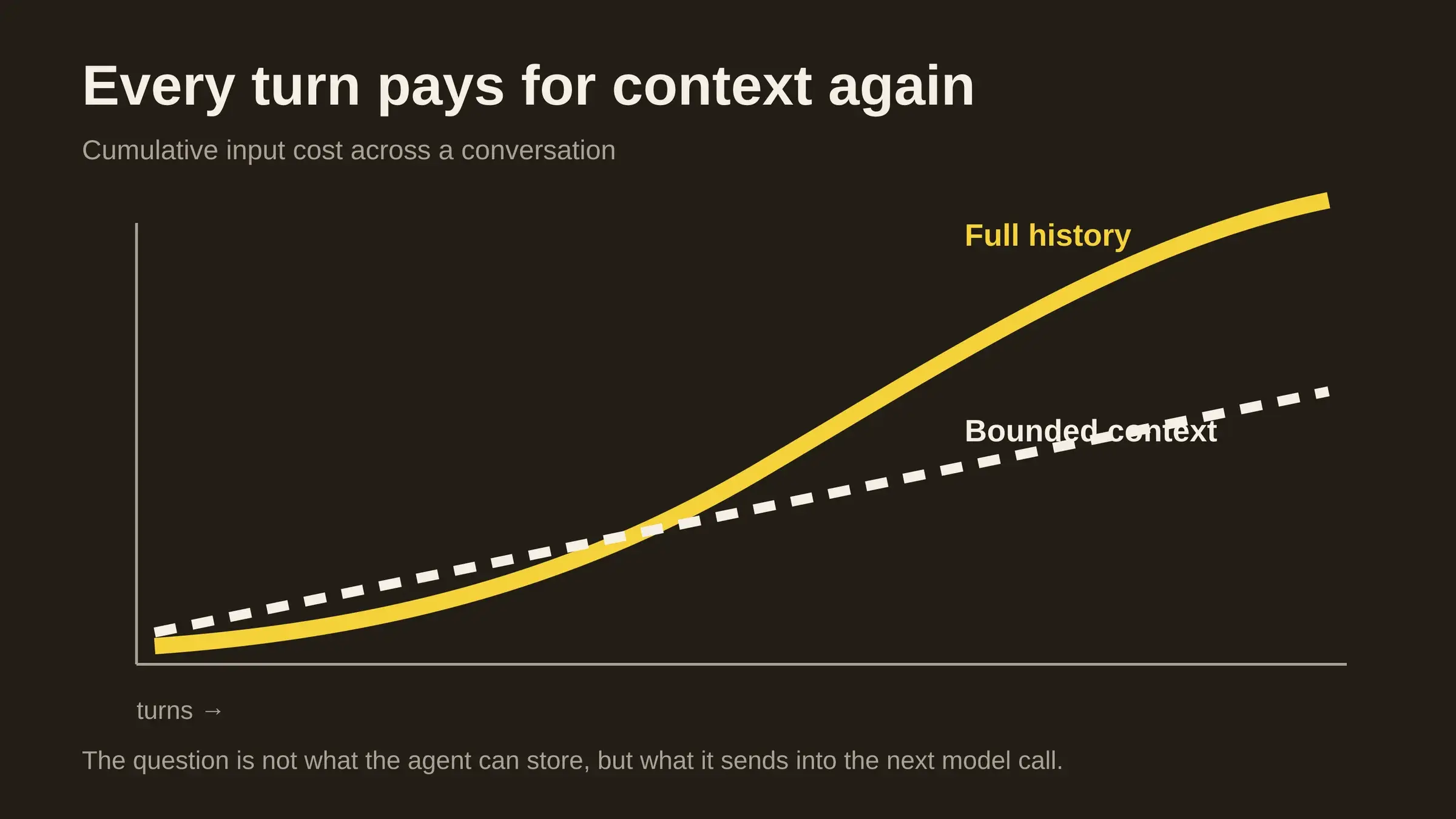
Storing a memory is only half the problem. On every model call, an agent still has to decide what deserves context space, what can be compacted and what should stay outside.
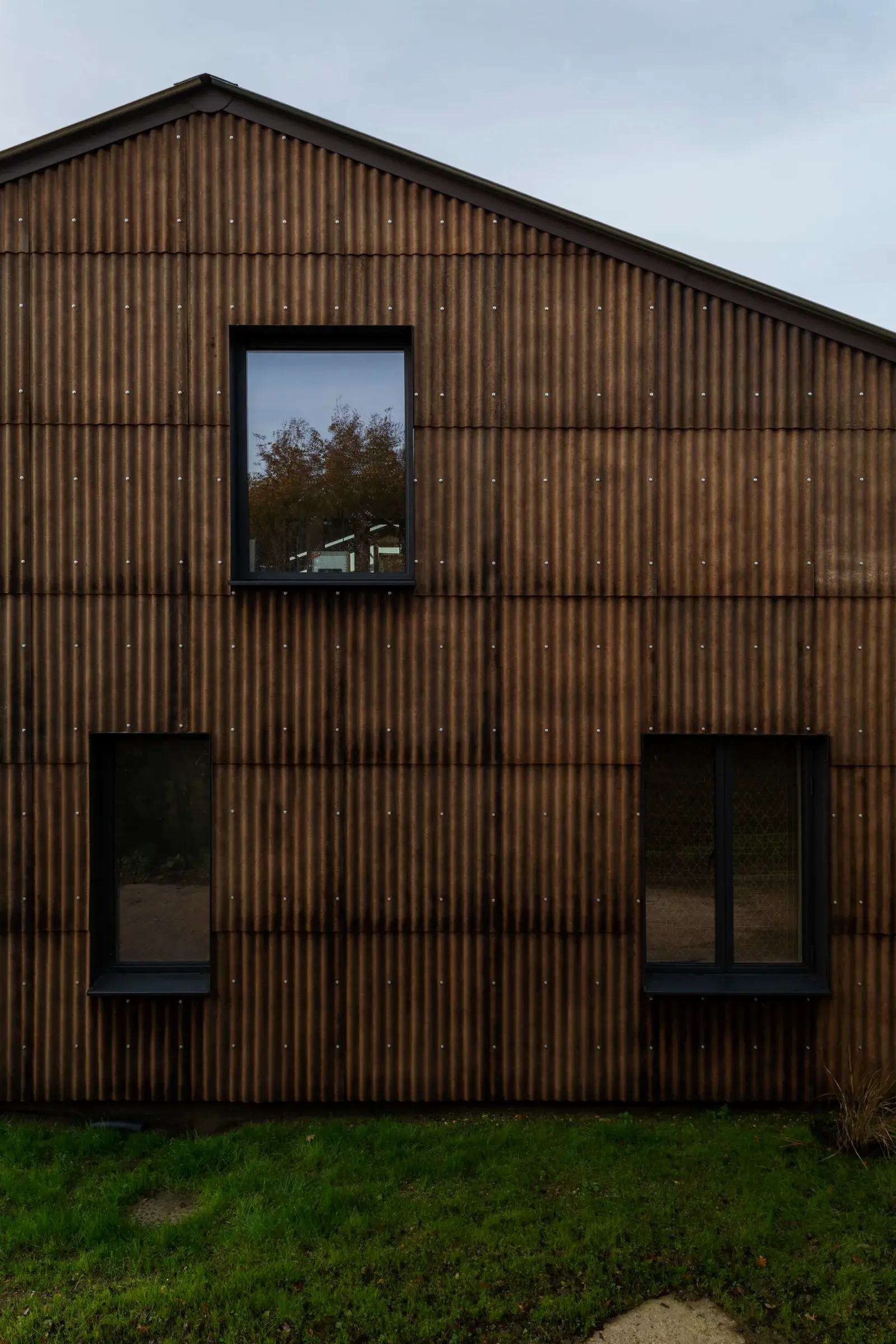
Some architecture practices stopped picking materials from a swatch book: they grow the hemp, press the excavated earth and formulate their own mixes. What that actually changes in how things get made.
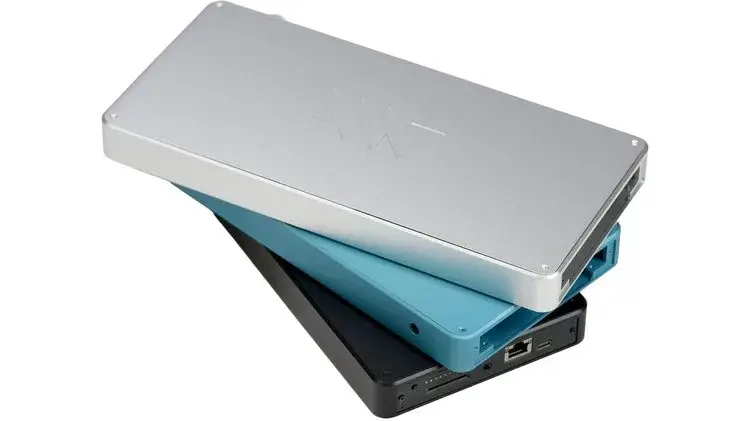
MNT Station turns a Reform laptop motherboard into a desktop or server. Its modularity matters most when it creates a real migration path for hardware that still works.
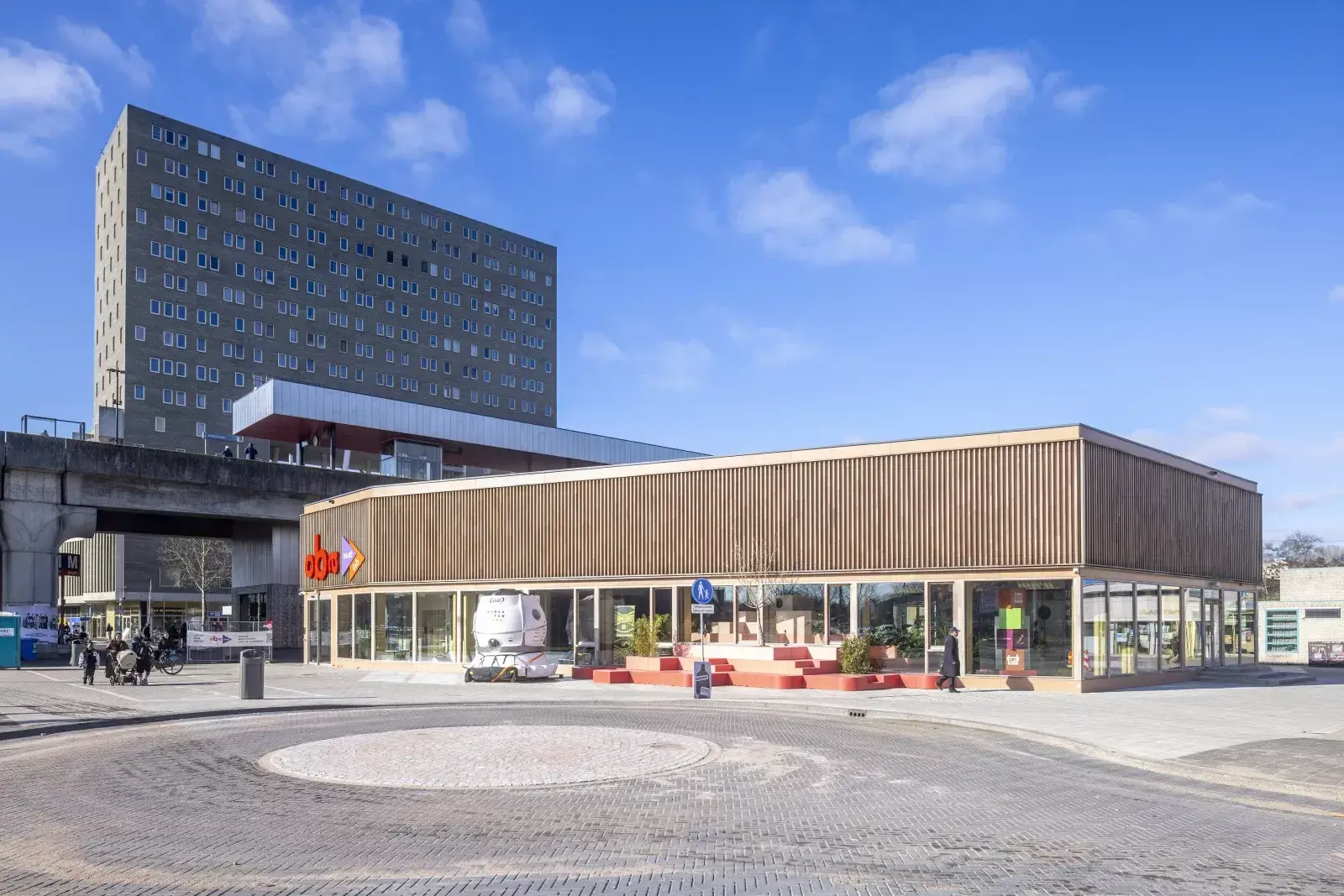
Amsterdam's OBA Next Lab was built to be dismantled and moved. Its 24 modules and dry connections prepare that second life, while Circl shows what the real test will involve.
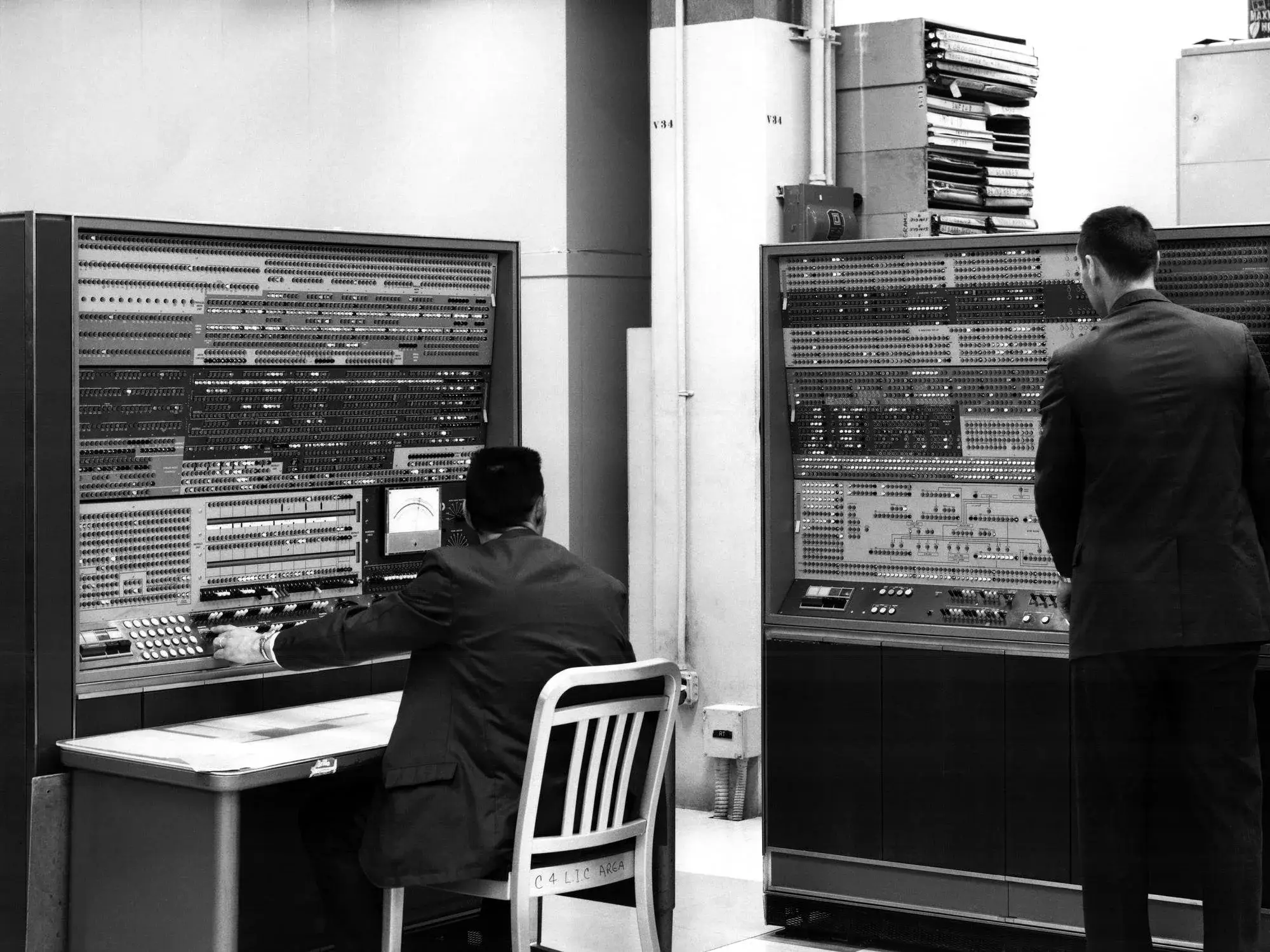
From 1962 to 1976, IBM's Harvest processed the NSA's most sensitive intercepts through a pipelined stream coprocessor and the world's first automated tape library.
For Alina Derya Yakaboylu, intuition follows observation, interviews and collected traces. That order helps keep a concept from being pasted onto a project afterwards.