Twenty-four bacterial colonies to add two bits
MIT prints bacterial colonies the way engineers place electronic components: two transistors, three relays. The computation gets reprogrammed by changing the print pattern, without touching the DNA.
Archive
IRZ archive, page 9.

MIT prints bacterial colonies the way engineers place electronic components: two transistors, three relays. The computation gets reprogrammed by changing the print pattern, without touching the DNA.

Fifteen years after the last stable release, C-Kermit 11 ships with more than 1,700 automated tests, IPv6 and a fix for a bug introduced in 1992. A look at forty-five years of a file-transfer protocol.

Dissecting the RP2040 scanvideo library, Kevin went from seventeen VGA pins down to six, enough for the ZX Spectrum palette. And one missing black pixel was enough to dim the whole screen.

SPOKE turns 27 copper pads punched into a circuit board into a MIDI controller. The interesting part: the RP2040 has no touch hardware at all, so detection is a discharge time counted in software.

A 3D-printed tactile skin locates a press to within a few millimeters with sixteen electrodes and not a single discrete sensor. A close reading of the process: recipe, results, blind spots.

A factory-calibrated vacuum acts as pump, meter and seal at once: a teardown of the closed system behind most routine blood draws, built on a patent filed in 1947.

A latex scale, a rubberwood cabinet, a bench wearing synthetic skin: with The Devil's Milk, Shahar Livne turns three centuries of rubber's industrial history into furniture you can touch.

A horn made of roof flashing, a filtered $45 amplifier, an SDR dongle: a former IEEE Spectrum editor says he detected dark matter from his backyard. Here is what he actually measured, and where the proof stops.

Nightly German orchestra broadcasts sounded far too clean to be records. That one detail led an American engineer to the Magnetophon, the machine that made audio editing invisible, then normal, then universal.

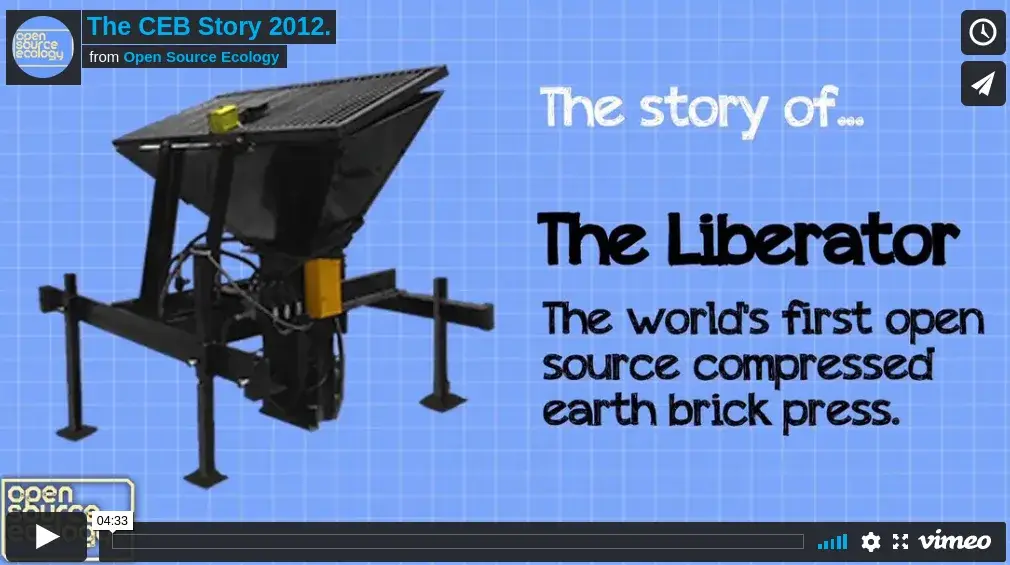
Open Source Ecology squeezed its entire machine wiki into a file readable without a network. Seven years later, that 2019 copy is still the newest one anyone can download.