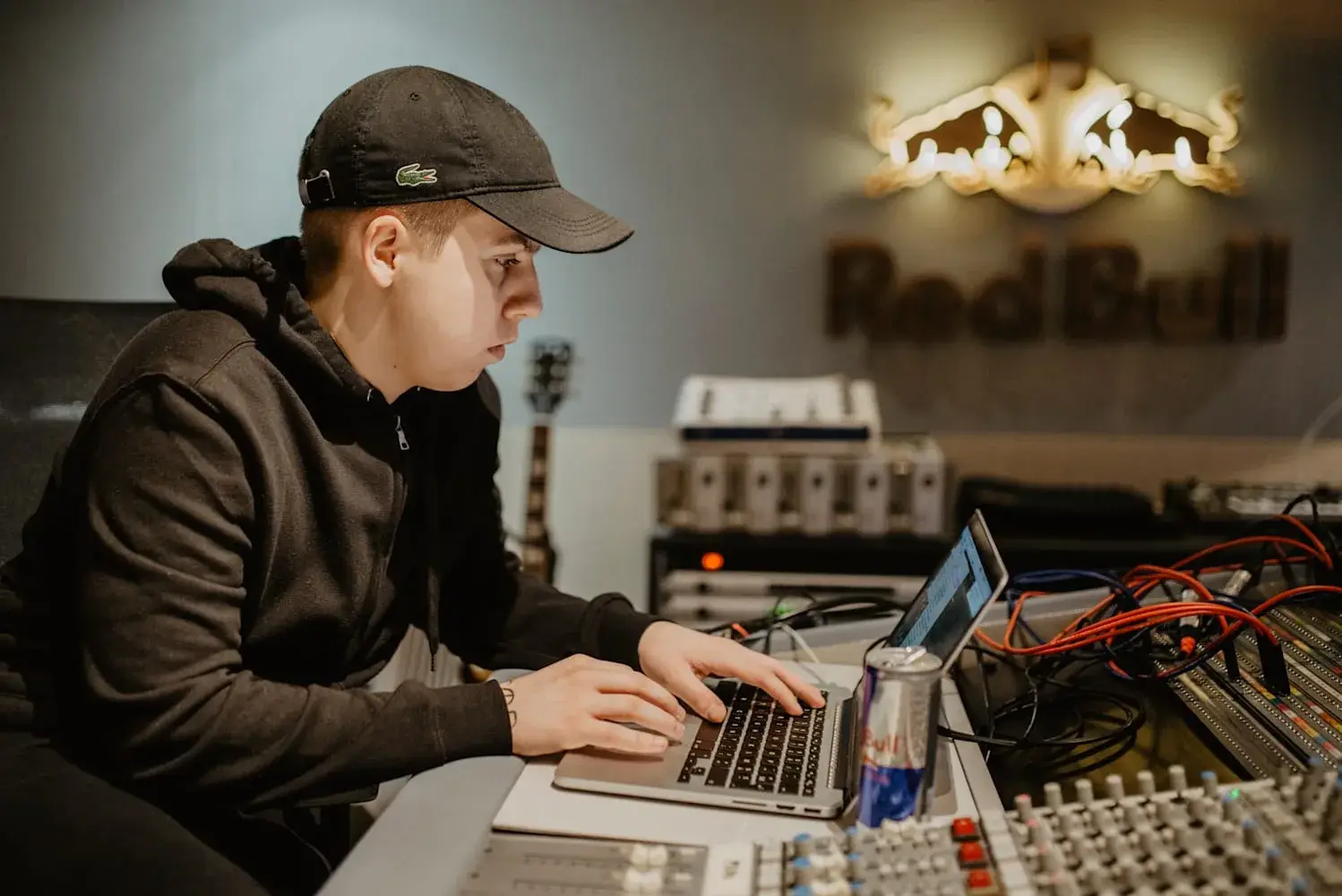
The beatmaker didn’t disappear. The job was split into pieces
From samplers to loops and marketplaces, the beatmaker went from central team member to one link in a global production chain.
Archive
IRZ archive, page 38.
From samplers to loops and marketplaces, the beatmaker went from central team member to one link in a global production chain.
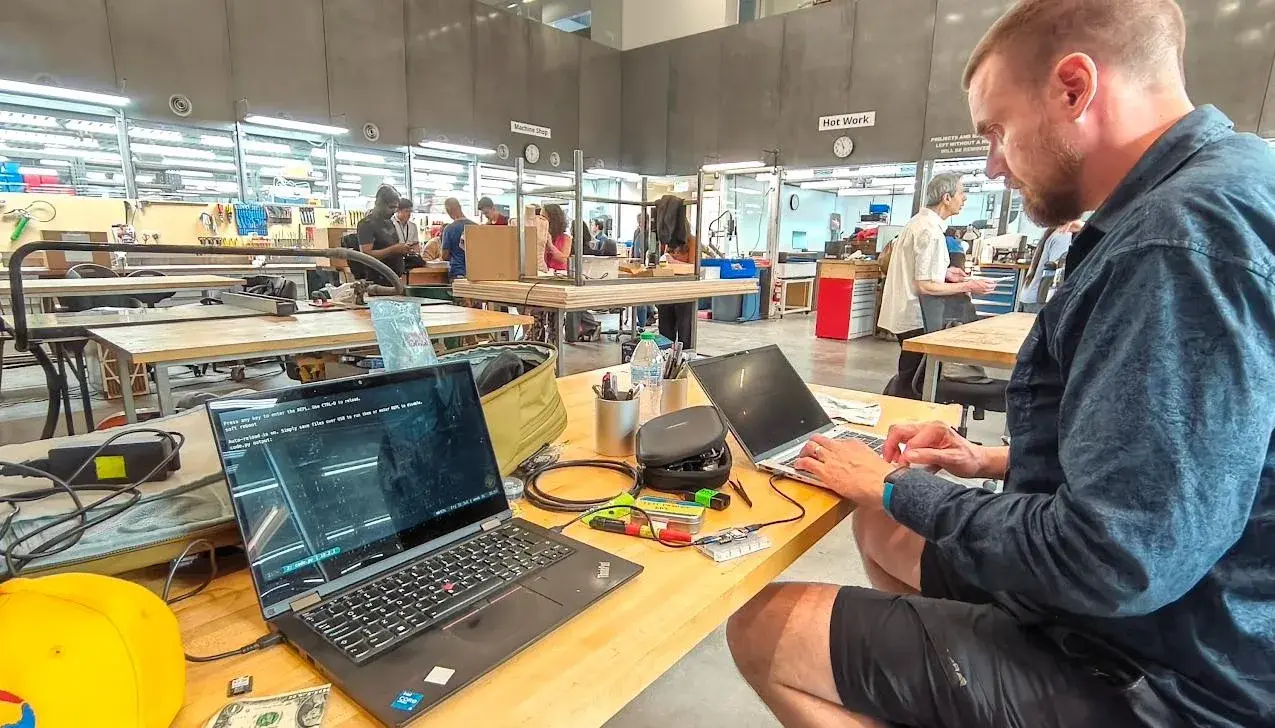
Two tiny microcontrollers are enough to make a laptop’s keystrokes appear as a real USB keyboard on another machine. LapBoard targets a very ordinary headless-computer problem.
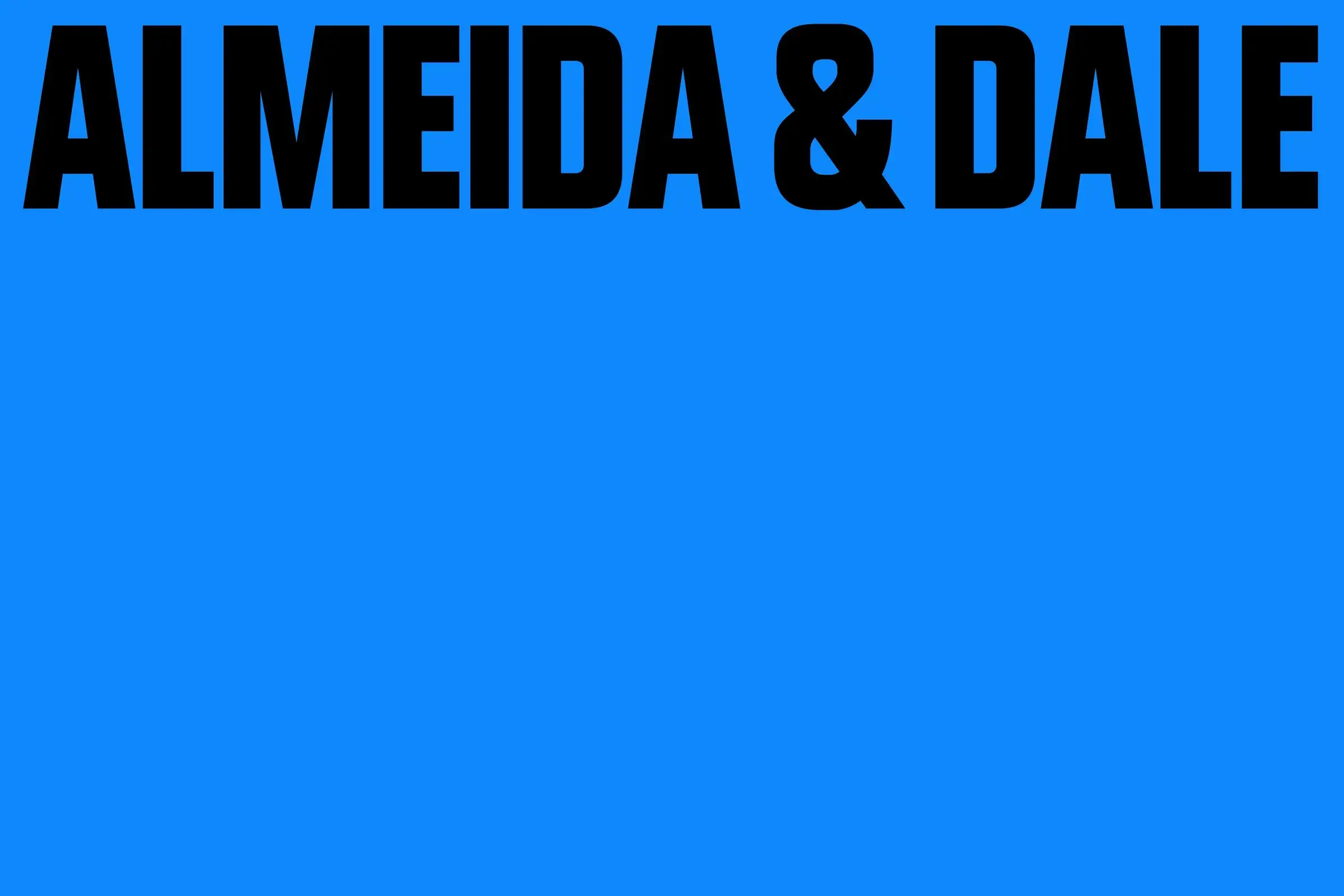
For Almeida & Dale, Porto Rocha commissioned a typeface where Brazilian Portuguese diacritics are not accessories added at the end. They carry the same visual weight as the letters.
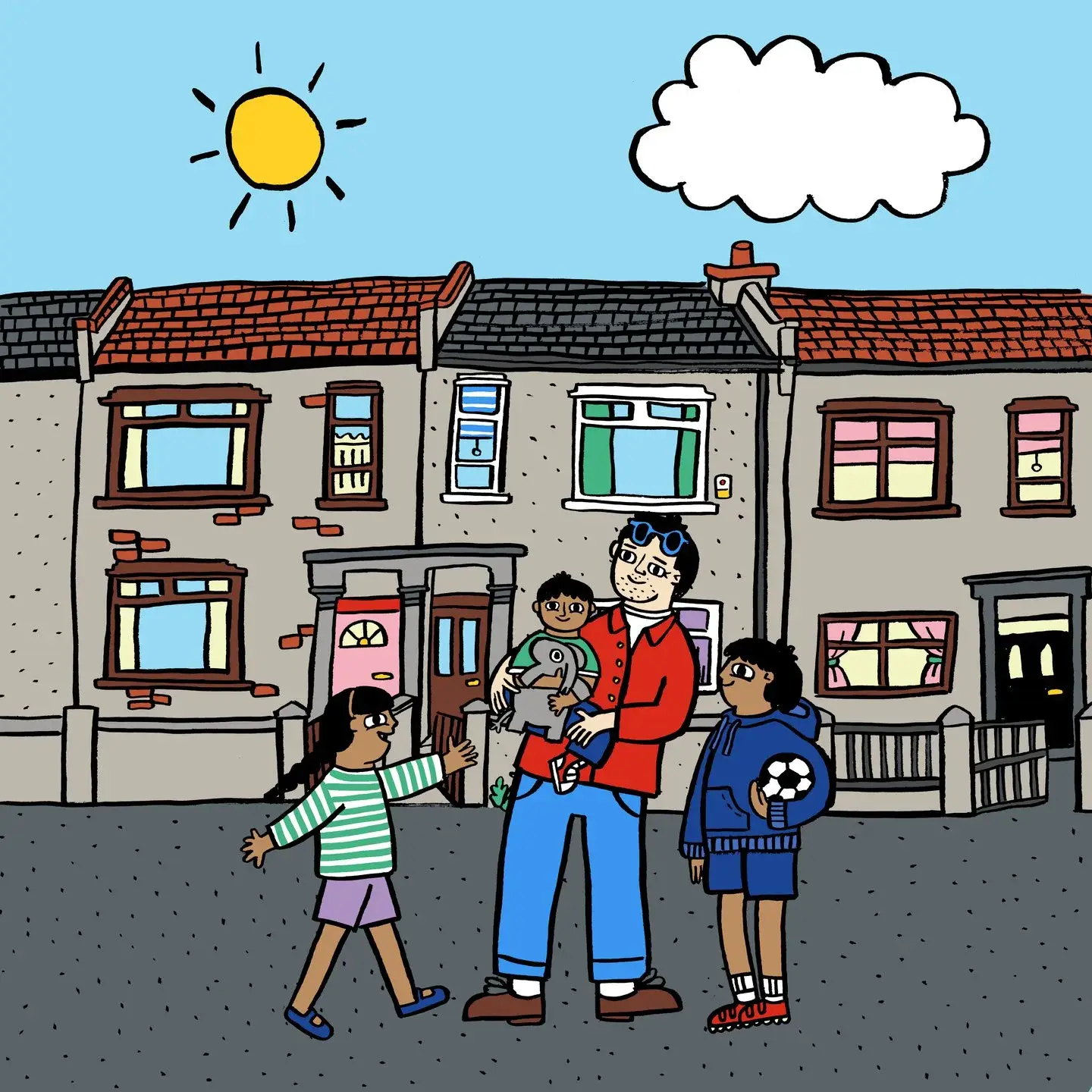
Alice Bowsher and Plastic Horse move from brush and ink to After Effects to describe school-holiday financial pressure from a child’s point of view.
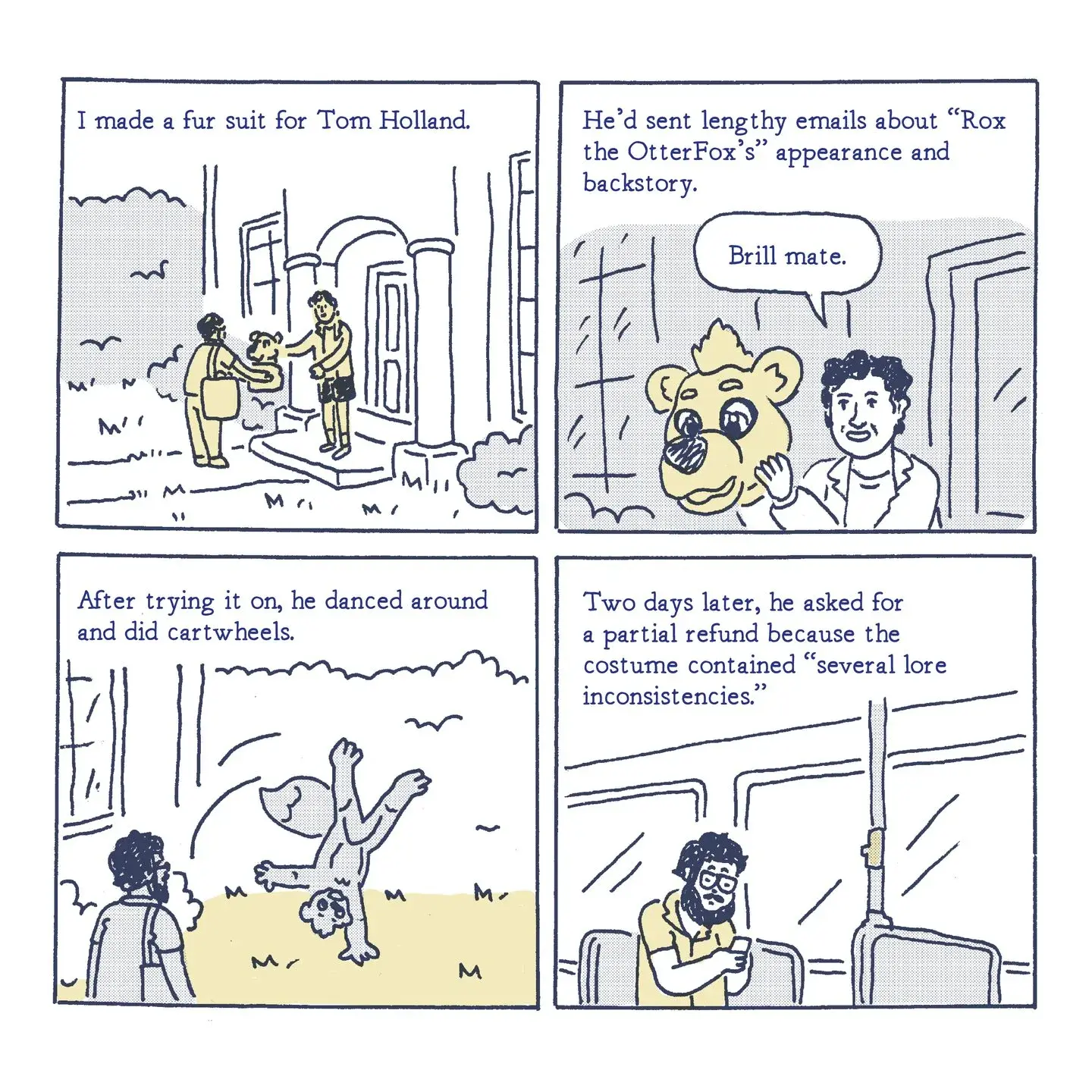
One celebrity, one mundane place, one tiny obsession, four panels. Luke Healy repeats that constraint until it becomes a small engine for encounters that never happened.
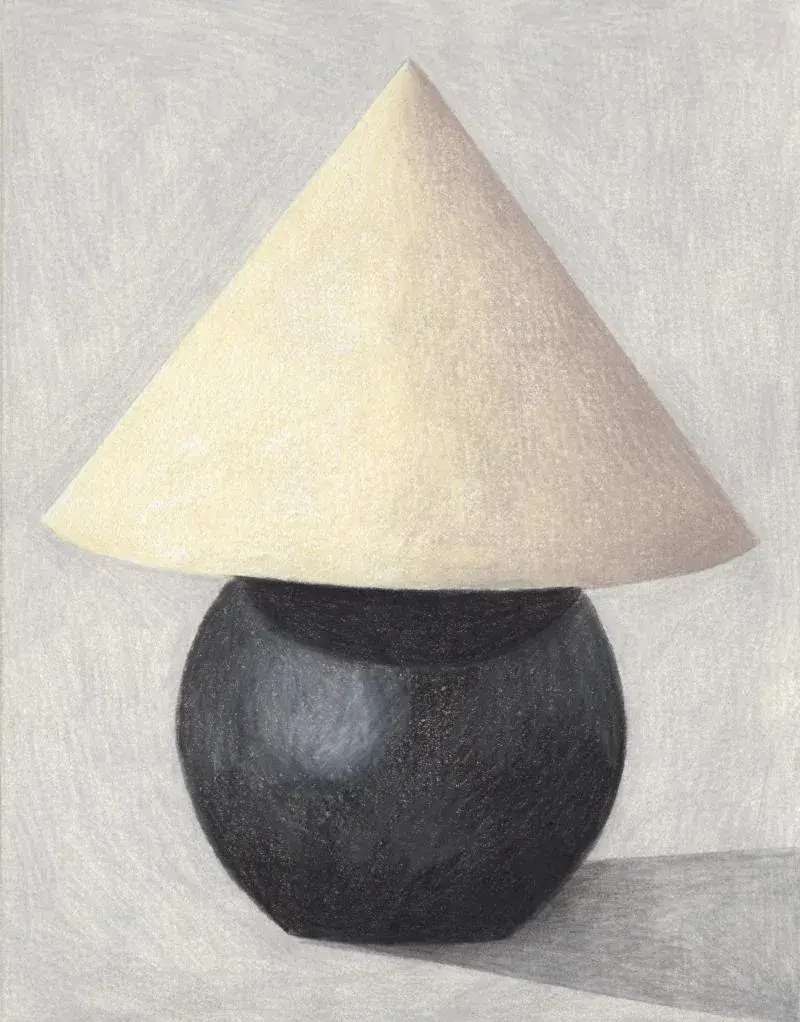
A clothes peg, envelope or designer stool can receive the same attention. Julie Jonquet-Caunes builds compositions as collages first, then rebuilds them through drawing.
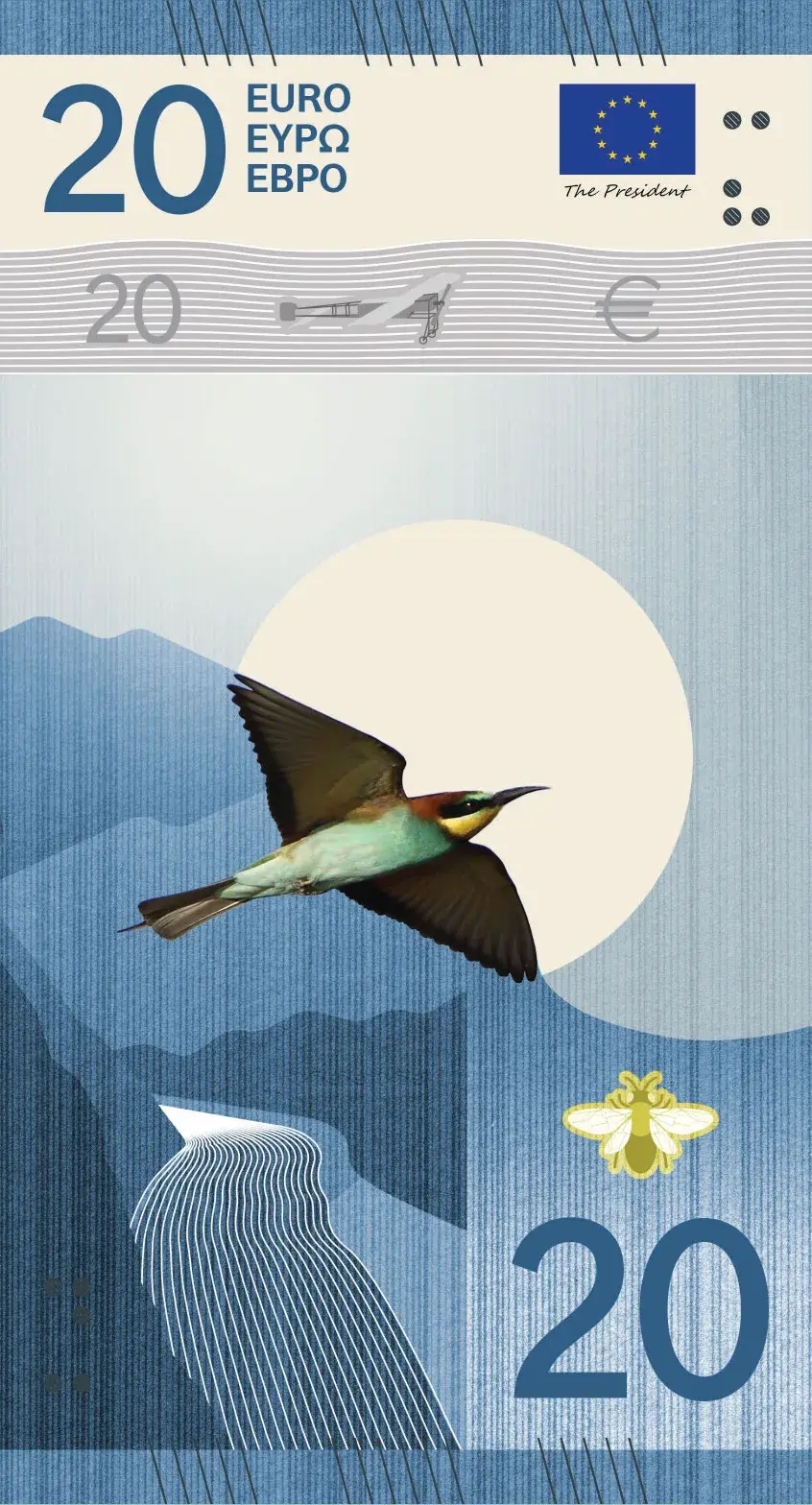
Described by its creator as the only French proposal on the shortlist, Design I turns fifteen years of work on flows into vertical euros drawn with felt-tip lines and filled with birds.
Nineteen corruption incidents pushed Tailscale and SQLite maintainers to build new diagnostic tools and isolate a rare WAL race condition.
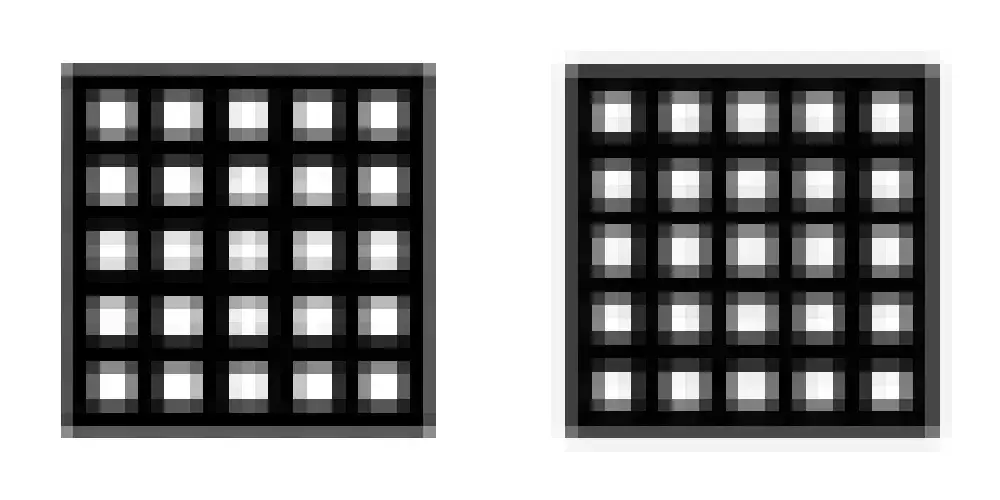
A tiny logo rendering differently leads into Skia and libjpeg-turbo, where Chrome can decode a JPEG directly at a fraction of its original size.
Fresh tried npm, Cargo, Nix, Flatpak, AppImage, AUR, deb and rpm before moving back toward a self-updating static binary.