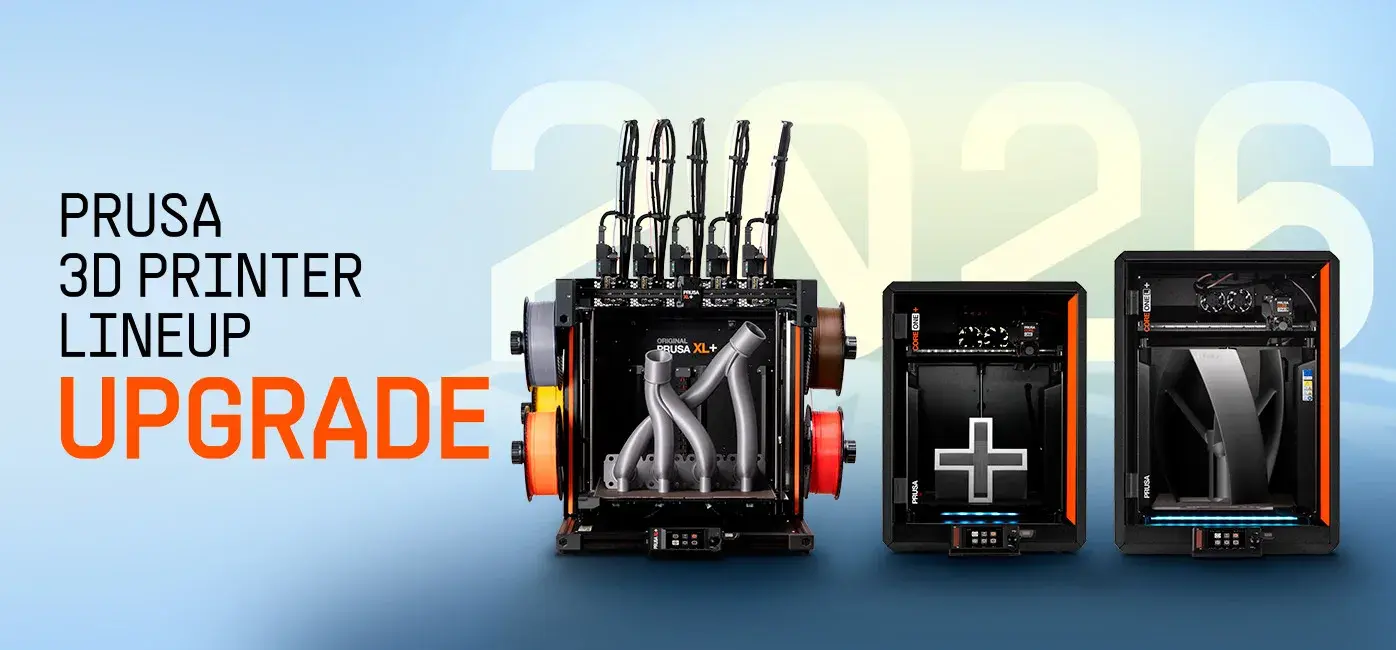
Prusa launches a new generation without asking owners to discard the old one
The XL+, CORE One L+ and CORE One+ Gen 2 add new hardware, while Prusa is also preparing upgrade paths for people who already own the previous machines.
Archive
IRZ archive, page 36.
The XL+, CORE One L+ and CORE One+ Gen 2 add new hardware, while Prusa is also preparing upgrade paths for people who already own the previous machines.
A flower made from car hoods only spits fire when enough people gather. A five-metre metal bird also asks visitors to act. The machine becomes social.
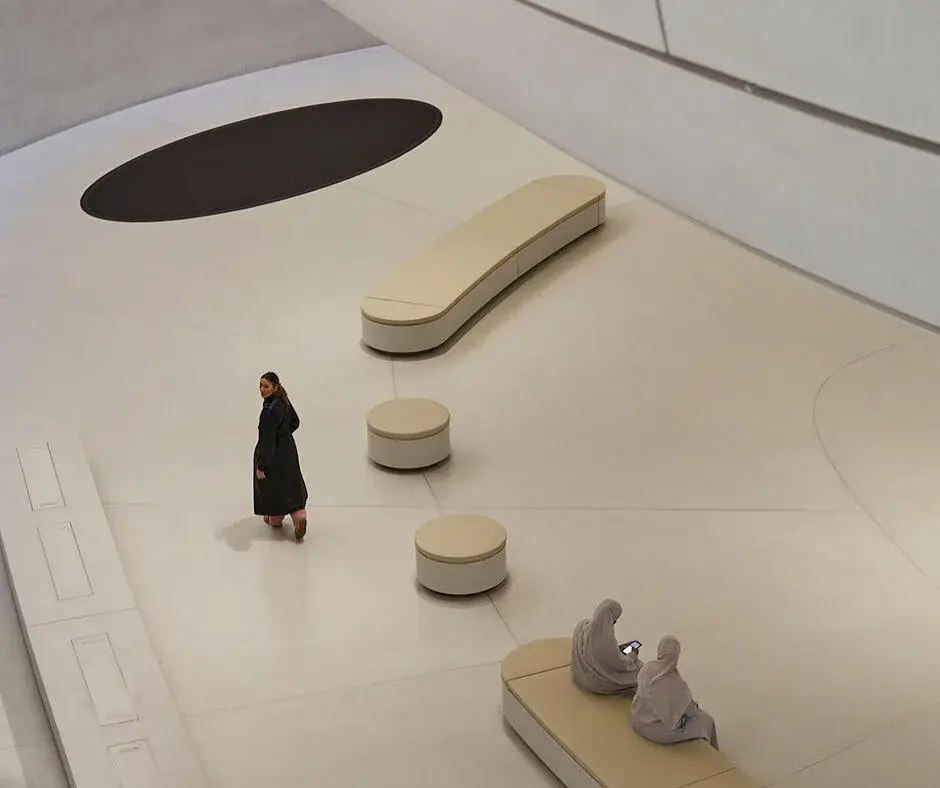
Agata Kurzela Studio treated the museum interiors as material research: raw wool, trials, full-scale mock-ups and collaboration with local makers.

Hiro Sugiyama digitally reworked Hokusai's print. Hundreds of thousands of dahlias now turn it into a temporary 1,680-square-metre image.
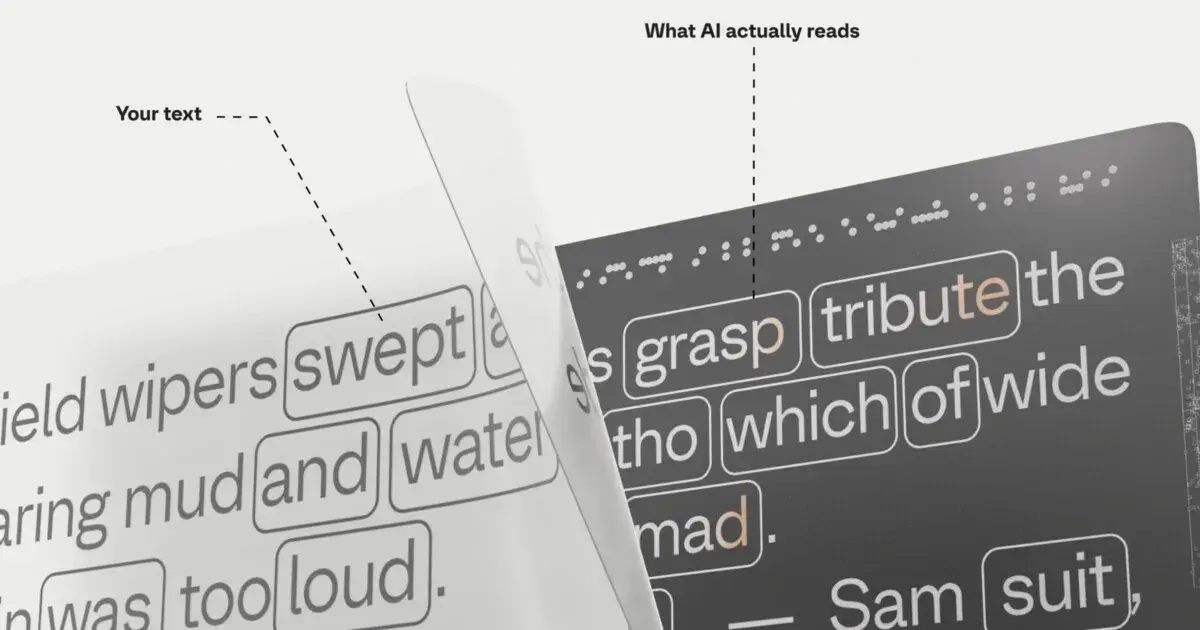
ShieldFont uses OpenType substitution to show one text to humans and hand another to scrapers. It is not a lock. It is friction.
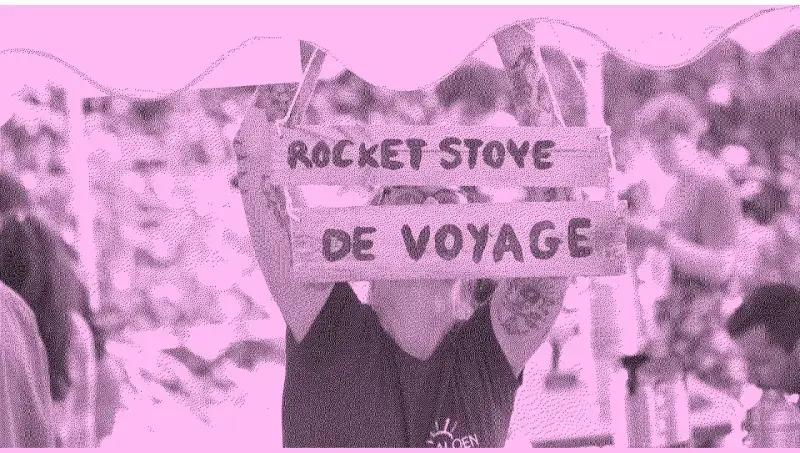
A year-long study in northern France explores what low-tech changes in our collective relationship to technology: reappropriation, commons, and real limits too.
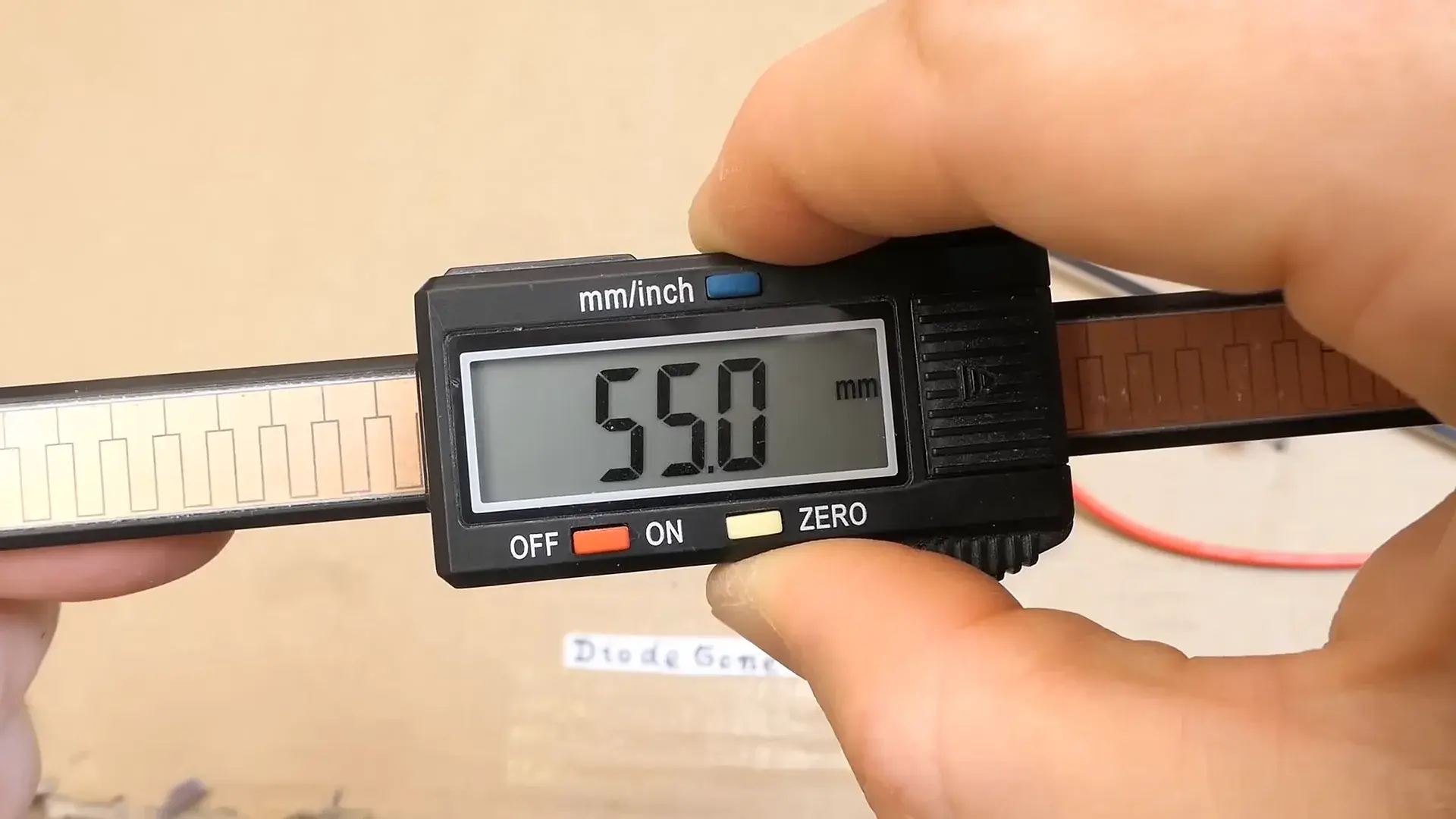
A teardown shows how a cheap caliper measures by capacitance, and why its battery drains itself in the drawer.
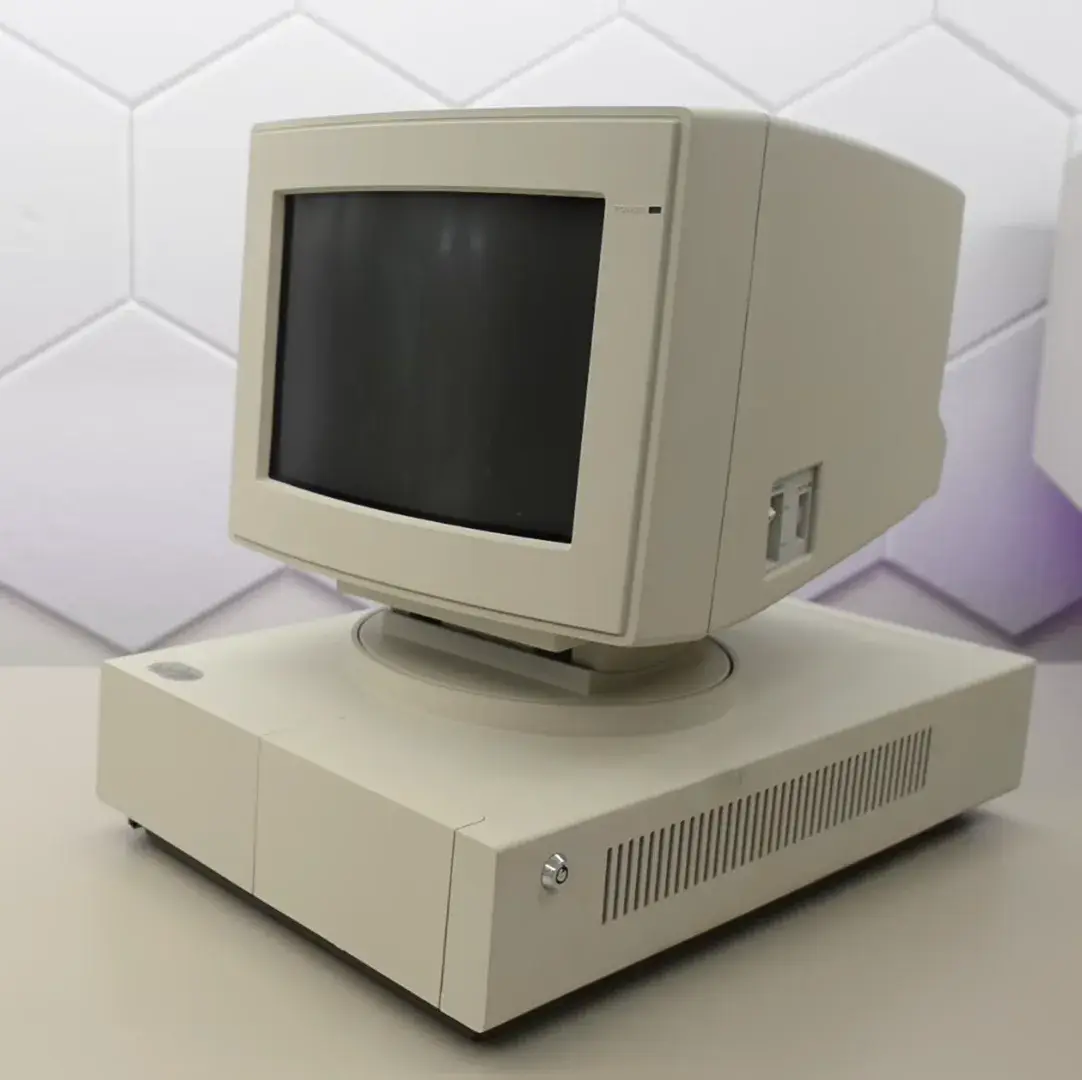
A rare late-1980s IBM prototype, the 7496 Executive Workstation, comes back to life: floppy drive fixed, hard drive added, sound card grafted on.
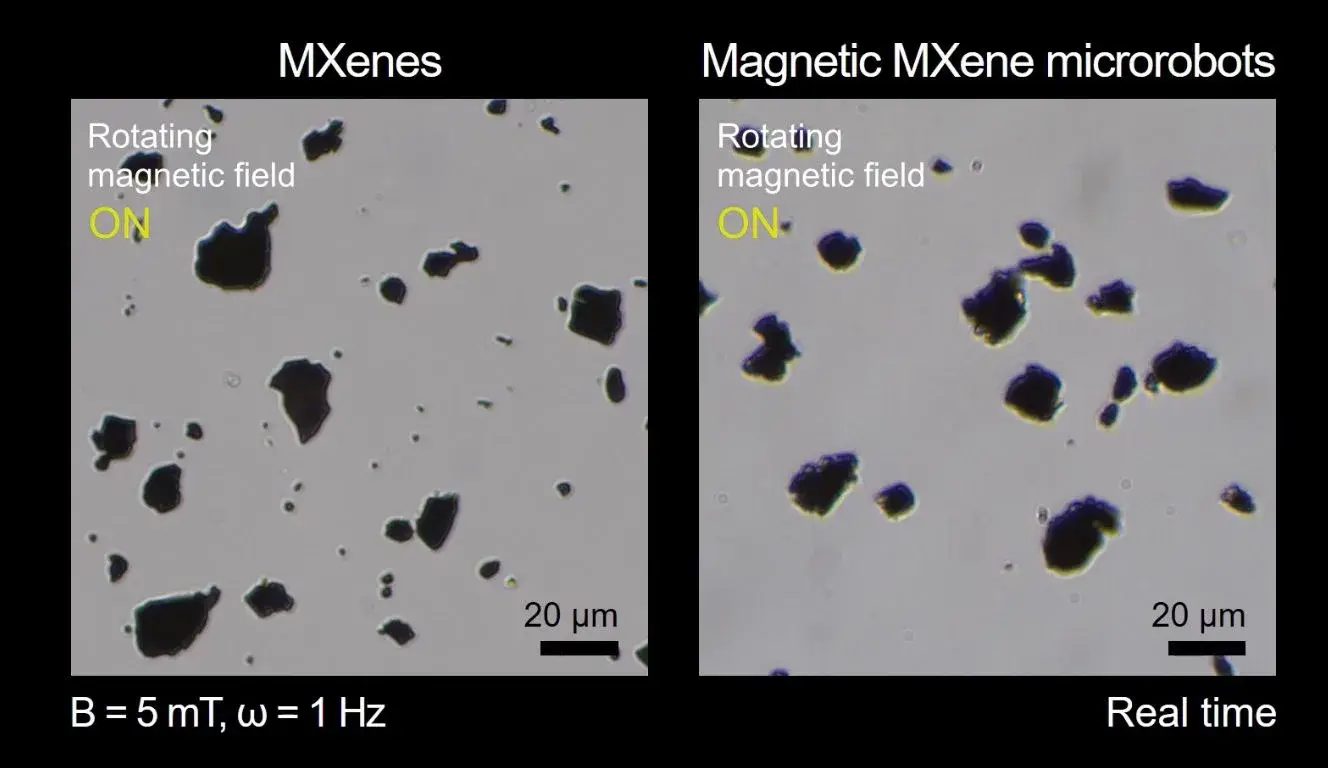
MXene flakes made magnetic travel through soil to capture microplastics, then are recovered with a magnet. Shown in the lab, not yet in the field.
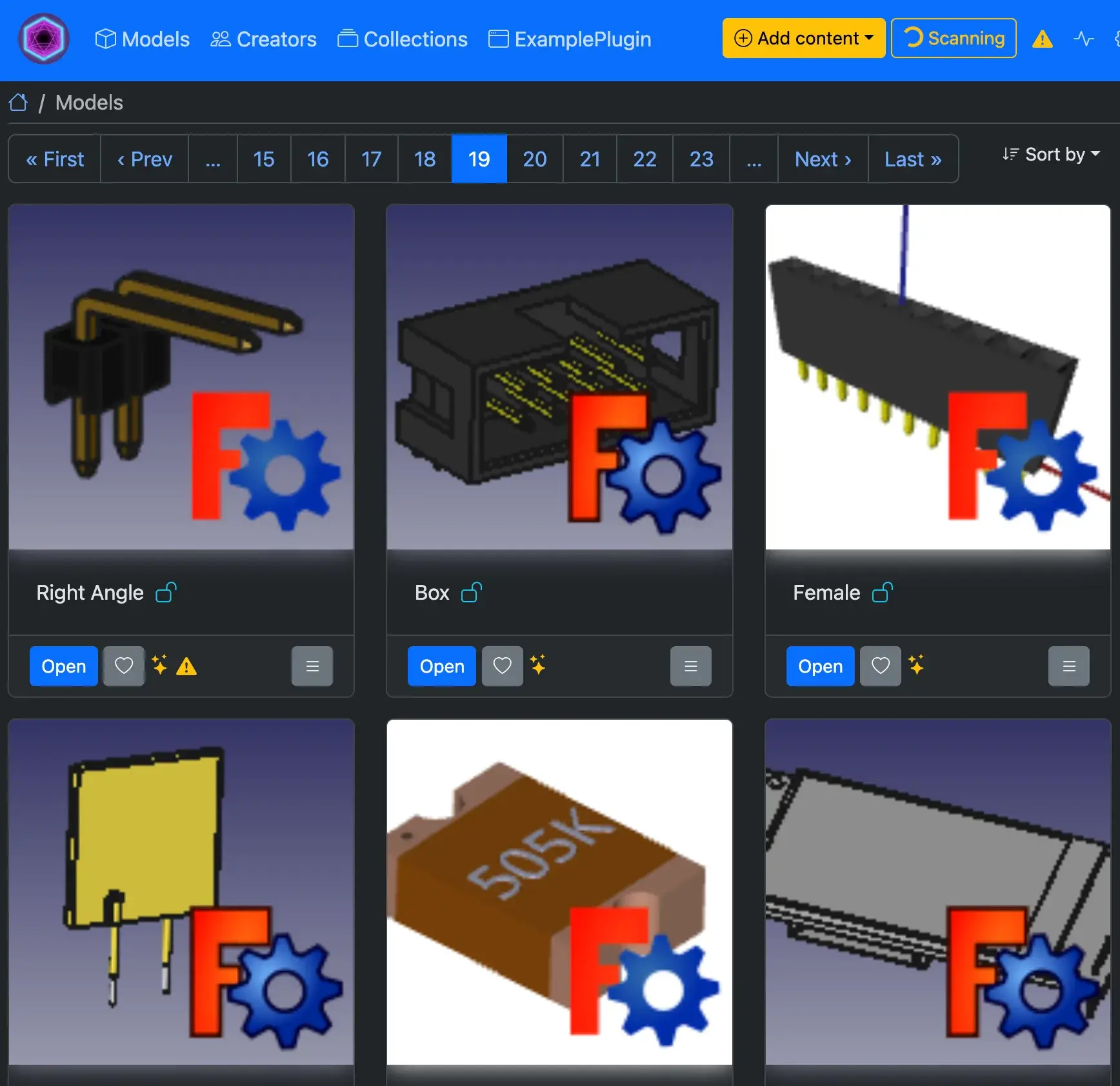
The open-source Manyfold app can now render FreeCAD project thumbnails. Another small brick for makers who want to keep their 3D library under their own control.