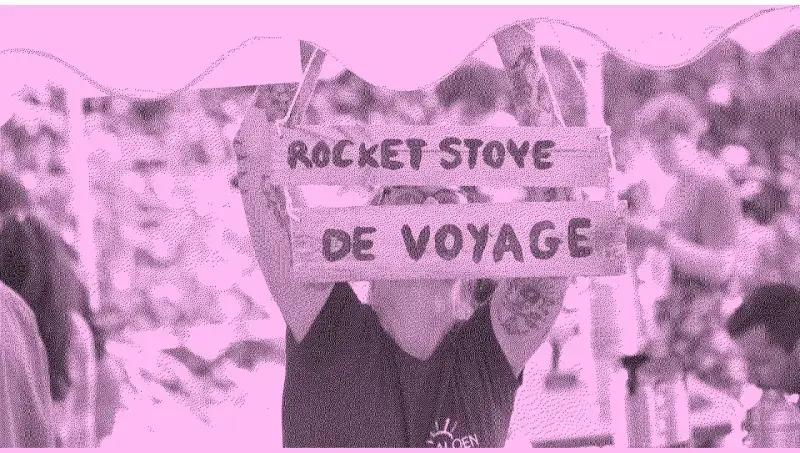
Building a solar oven, running a bike-repair workshop, documenting a skill: low-tech is usually read as an ecological, material response. Jeanne Blary asks a less comfortable question — what if these gestures were also political acts?1
Her synthesis, published on 22 July 2026 on the Low-tech Lab, sums up a year-long study among practitioners in the Hauts-de-France region.1 The central question: can low-tech practices let people take back power over the technical choices that shape their lives, at a time when most technologies are black boxes designed far from citizens?
The analysis draws on technocritical approaches, notably the work of Andrew Feenberg.1 It foregrounds three dynamics: the reappropriation of technical knowledge and skills, the production of commons, and the emergence of spaces for discussing technical choices.
What makes the synthesis credible is that it does not stop at the ideal. It also documents the tensions: unequal access to skills, questions of gender and diversity, and the difficulty of making some alternatives desirable enough to reach beyond the already convinced.1
The interesting idea is not that low-tech will save the world. It is the shift: repairing a bike or building an oven is not only an act of restraint, it is a way of reintroducing discussion where technology had imposed itself as obvious. A practice becomes political not because it is militant, but because it makes the technical choice visible and debatable.
The question the article leaves open matters: how much do these spaces remain reserved for those who already have the time, the skills and the appetite to enter them? Technical democracy has the same problem as every other democracy — it only exists if the door does not close behind the first arrivals.