Before the cloud, data had weight: what old processing chains reveal
Carved bones, clay tablets, punched cards and human operators tell a less abstract story of data: matter that must be prepared, moved and checked.
Archive
IRZ Ideas archive, page 5.
Carved bones, clay tablets, punched cards and human operators tell a less abstract story of data: matter that must be prepared, moved and checked.
Stewart Brand’s book and BBC series shift attention to life after handover: building layers age at different speeds, and that friction can become design material.
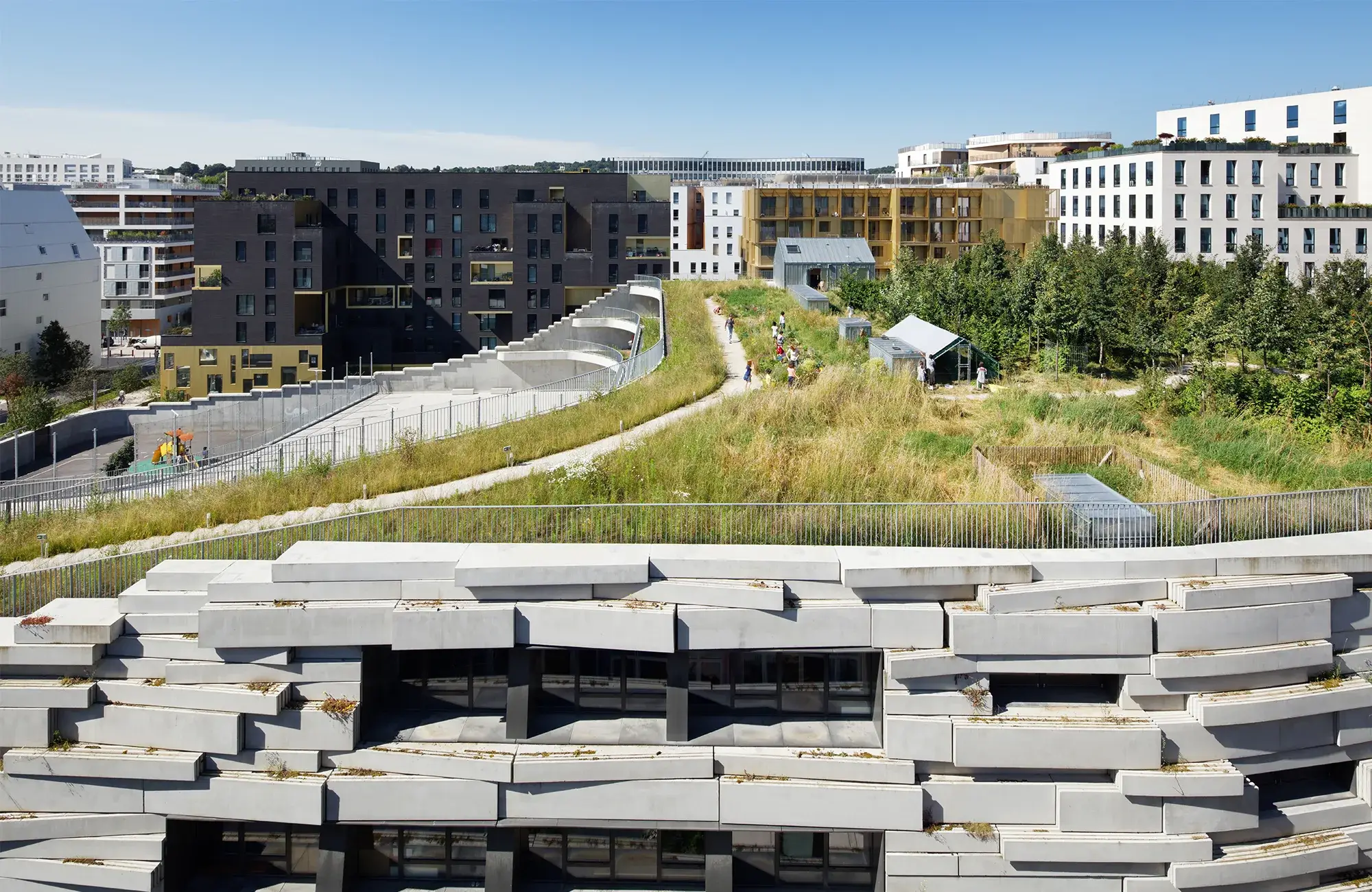
A decade-long review of the School of Sciences and Biodiversity records 345 species and shows that a living building depends on use and maintenance as much as its façade.
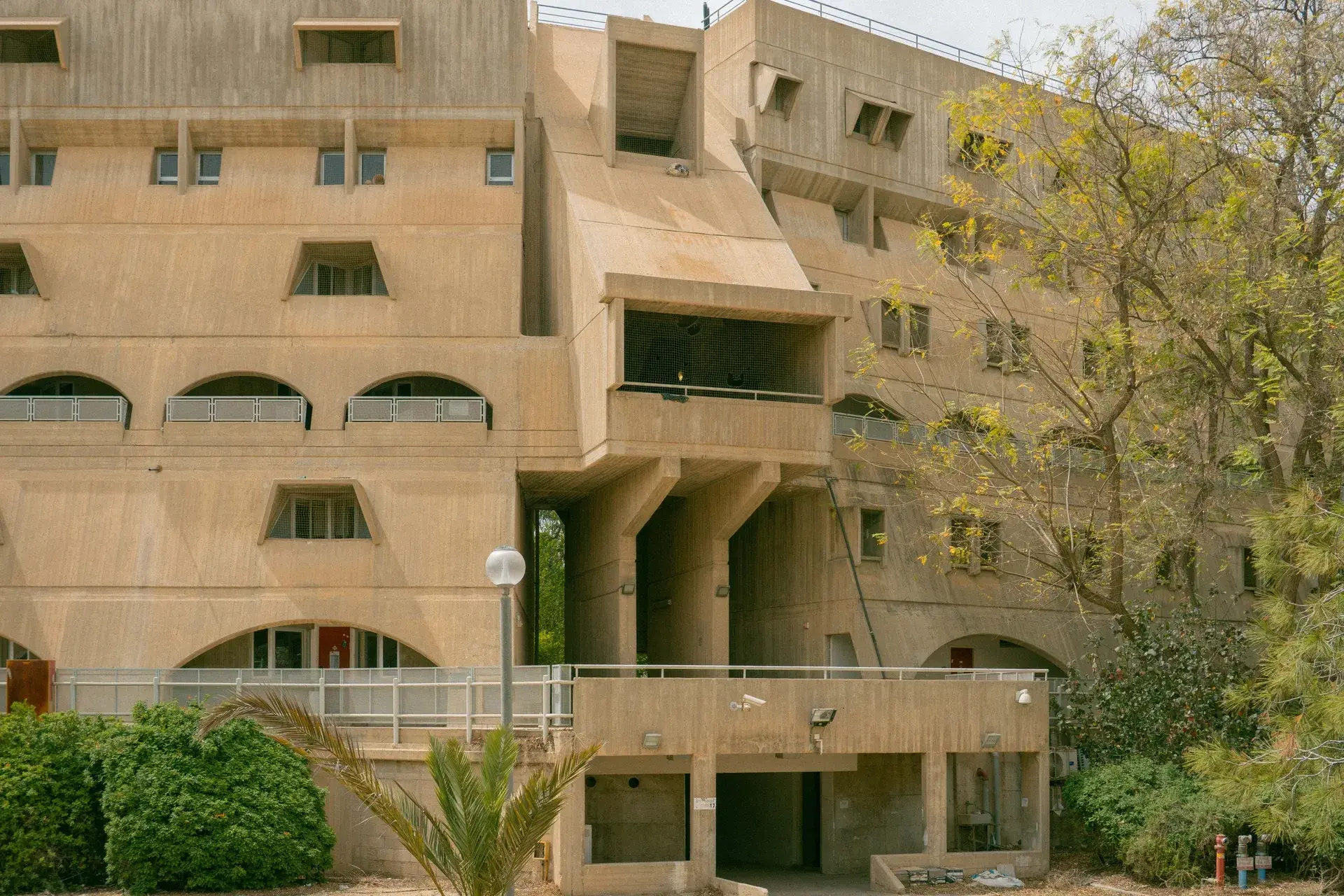
More than 4,000 documents show how the Department of Tropical Architecture turned sun, wind and resources into design inputs. The archive also exposes the colonial system through which that method travelled.
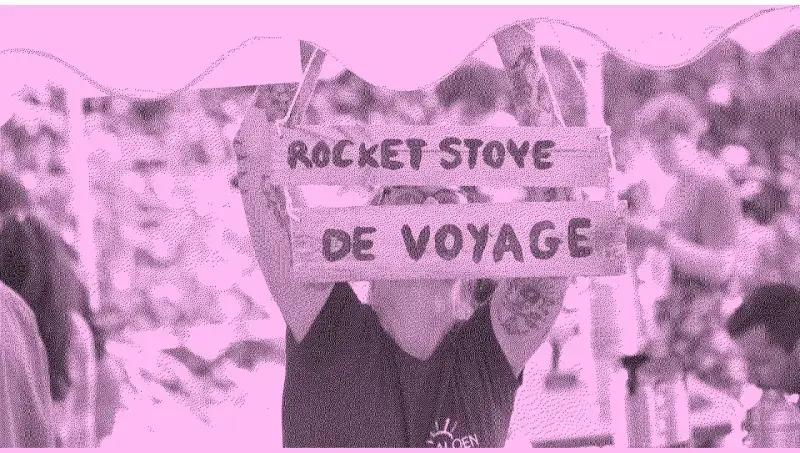
A year-long study in northern France explores what low-tech changes in our collective relationship to technology: reappropriation, commons, and real limits too.

Tell Me What To See is an ongoing photographic project begun in 2019 about how data, algorithms and automated systems alter what people perceive and decide.

From samplers to loops and marketplaces, the beatmaker went from central team member to one link in a global production chain.
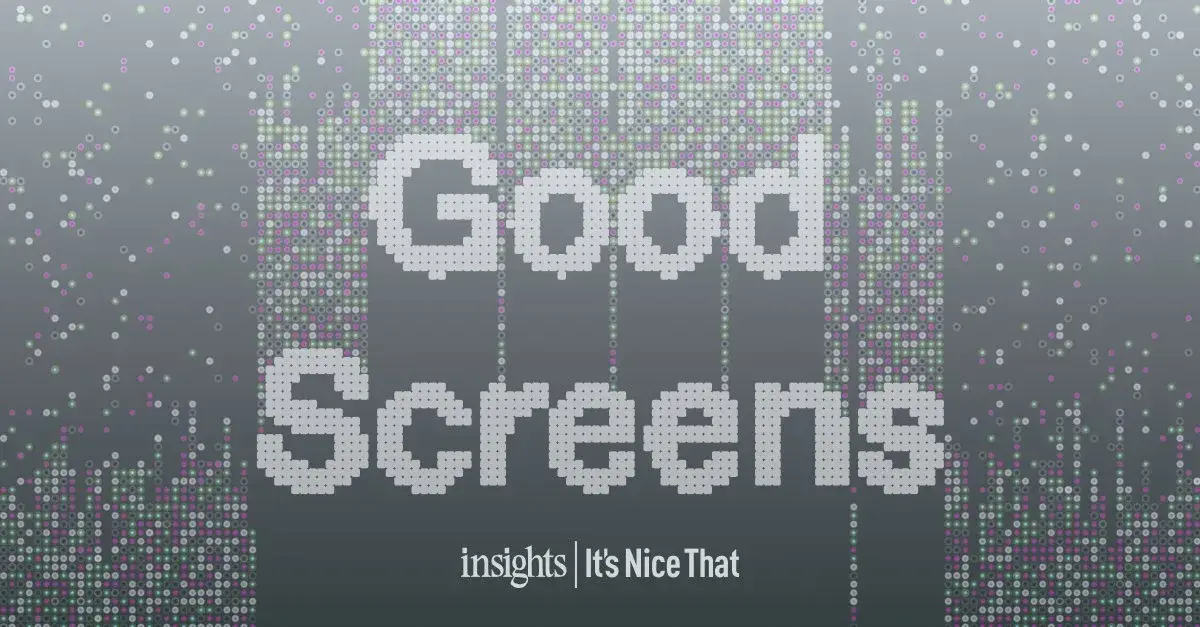
Good Screens gathers quieter, narrower and more physical devices. Its useful idea: put “fewer functions” back into the designer’s toolbox.
After a few weeks away from AI, Brent Fitzgerald returned to eleven cmux tabs full of paused agents. His experience asks a useful question: what does cheap parallelism actually create?
A ten-model experiment finds that different-looking answers often collapse onto the same ideas. The strongest fixes make previous ideas visible and force the model to avoid them.