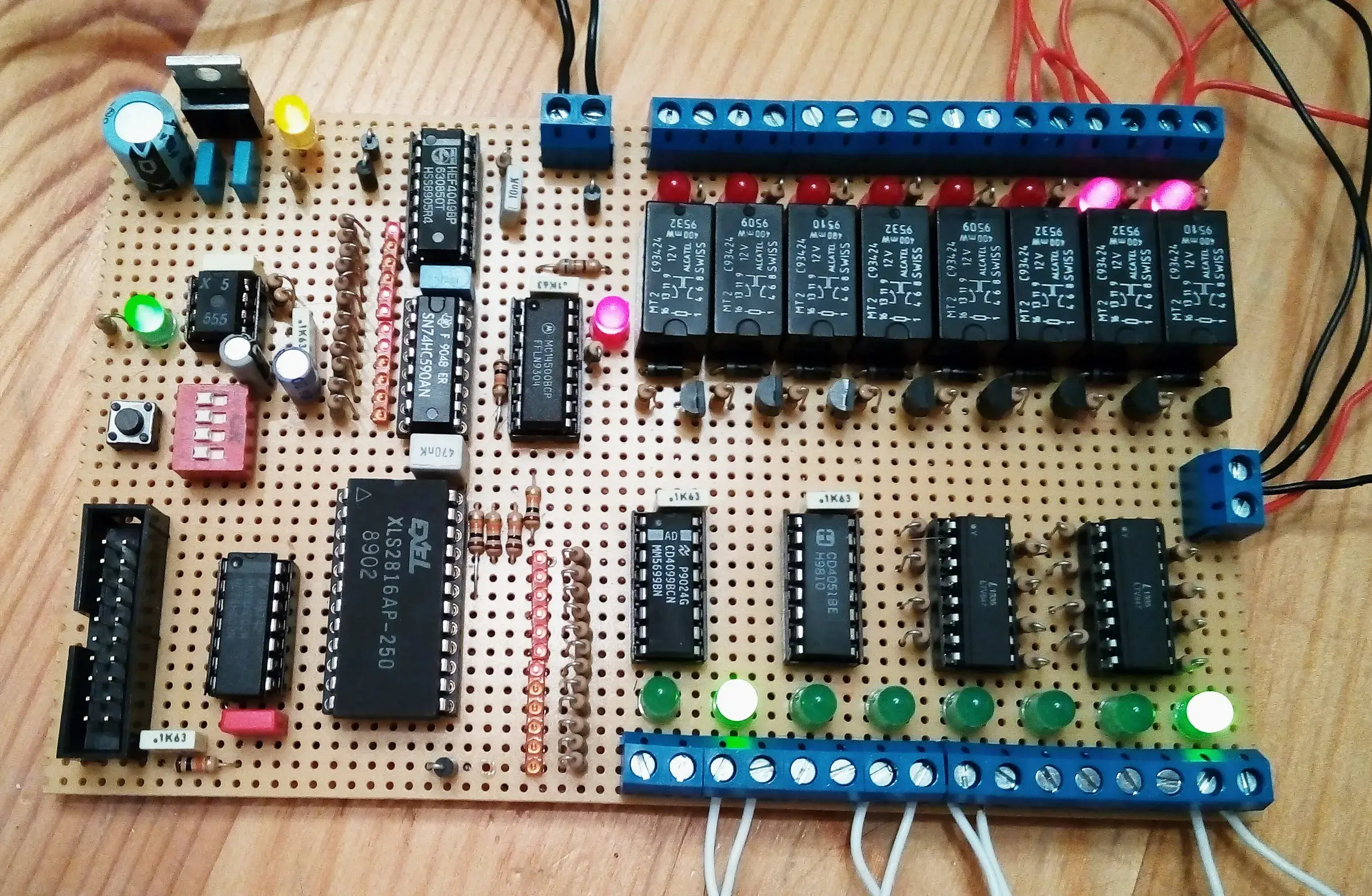
One bit was enough to start a pump
Motorola’s MC14500B was not an eight-bit computer with seven bits amputated. A one-bit result register matched the questions industrial control kept asking: switch closed, timer done, motor on or off.
Archive
IRZ Ideas archive, page 4.
Motorola’s MC14500B was not an eight-bit computer with seven bits amputated. A one-bit result register matched the questions industrial control kept asking: switch closed, timer done, motor on or off.

An amphibious house sits on the ground most of the time, then rises with a flood. Making it buoyant is not the hardest part: guides, utilities and access all have to tolerate metres of vertical movement.

Habity does not block Instagram. Its bedside clock instead replaces the alarm, sleep sounds and a few nightstand functions so there is less practical reason to keep a phone within reach.

UNPAINTED's developer dislikes quest markers: the prototype lets players ask NPCs where objectives are and adds manual cartography. Removing UI mainly means putting its information somewhere else.

A printed shell makes the physical dependency of a huge plate-reader network visible. The interesting part is not the installation method but what the object reveals about the system.
From Microsoft meeting rooms to global health, employee testimony, antitrust archives and academic research show how Bill Gates turns strategic positions into power over entire systems.
An essay argues that AI finally makes it possible to extract a person’s judgment from their head — to “productize a person”. The interesting question is what survives the extraction, and what only travels hand to hand.
Christoffer Lernö thought “C alternative” meant a modernised C for building applications. He now believes the phrase mostly evokes C’s systems niches, and is changing how C3 describes itself.
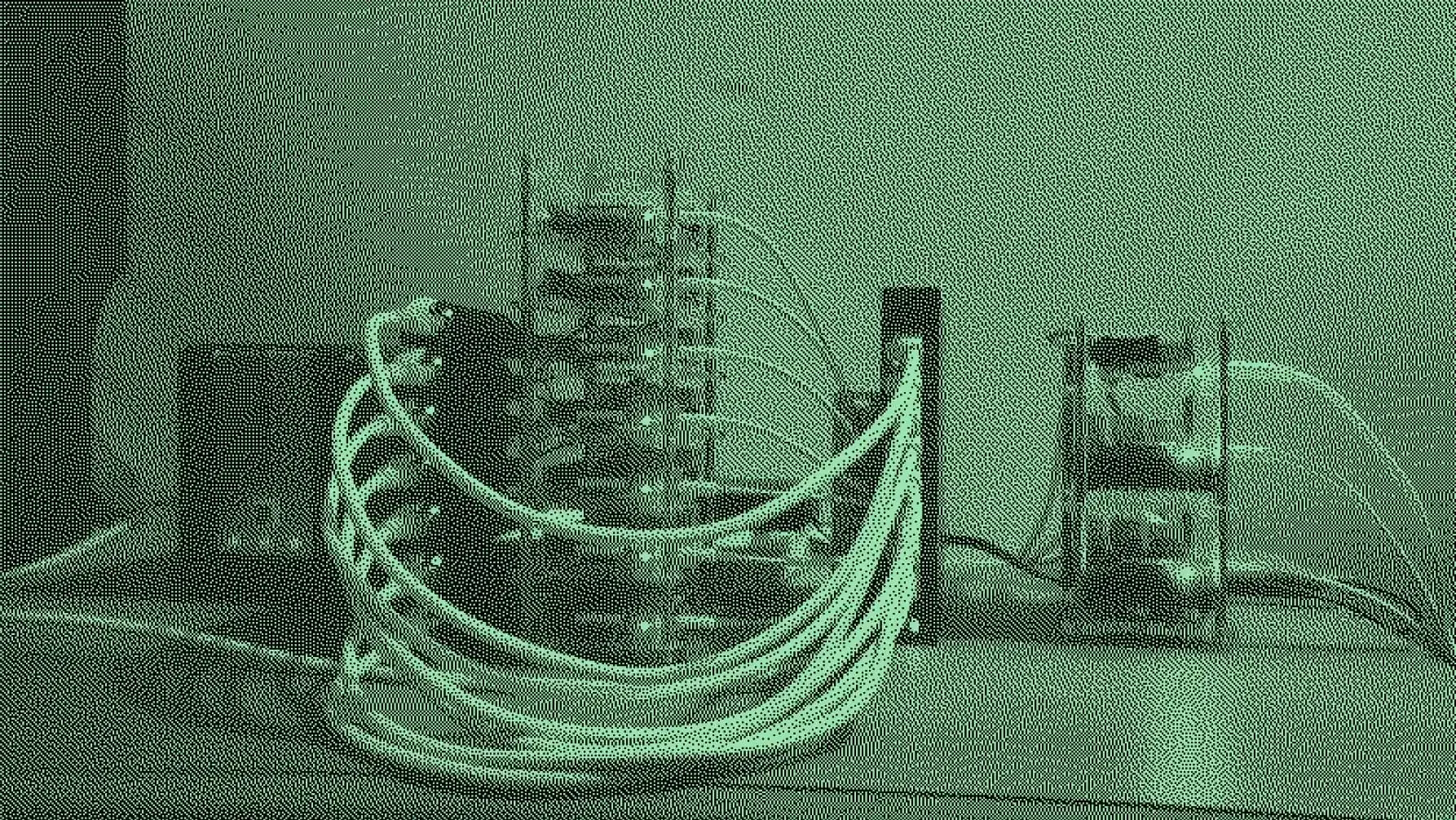
Three months of experimentation, a migration away from Google and CC BY-SA documentation: Low-tech Lab treats self-hosting as a skill to transmit.
RYBN’s project connects human computers, Mechanical Turk and data annotation. Behind the metaphor is a practical question: where does the work that makes a system computable hide?