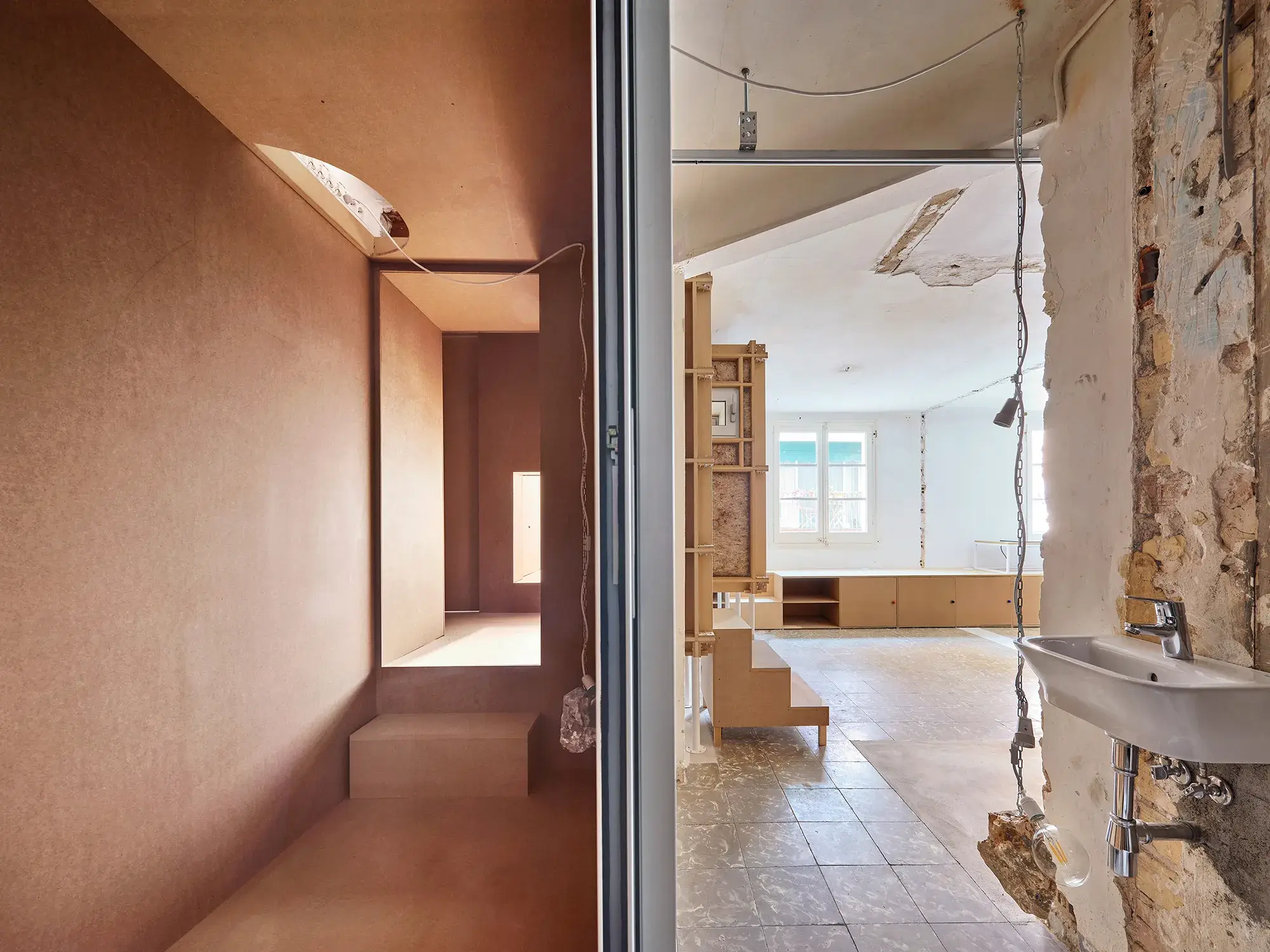
These architects build to find out what to design
At TAKK, salazarsequeromedina and Ensamble Studio, a prototype does more than verify an idea. It exposes decisions that drawings cannot settle yet.
Archive
IRZ archive, page 25.
At TAKK, salazarsequeromedina and Ensamble Studio, a prototype does more than verify an idea. It exposes decisions that drawings cannot settle yet.
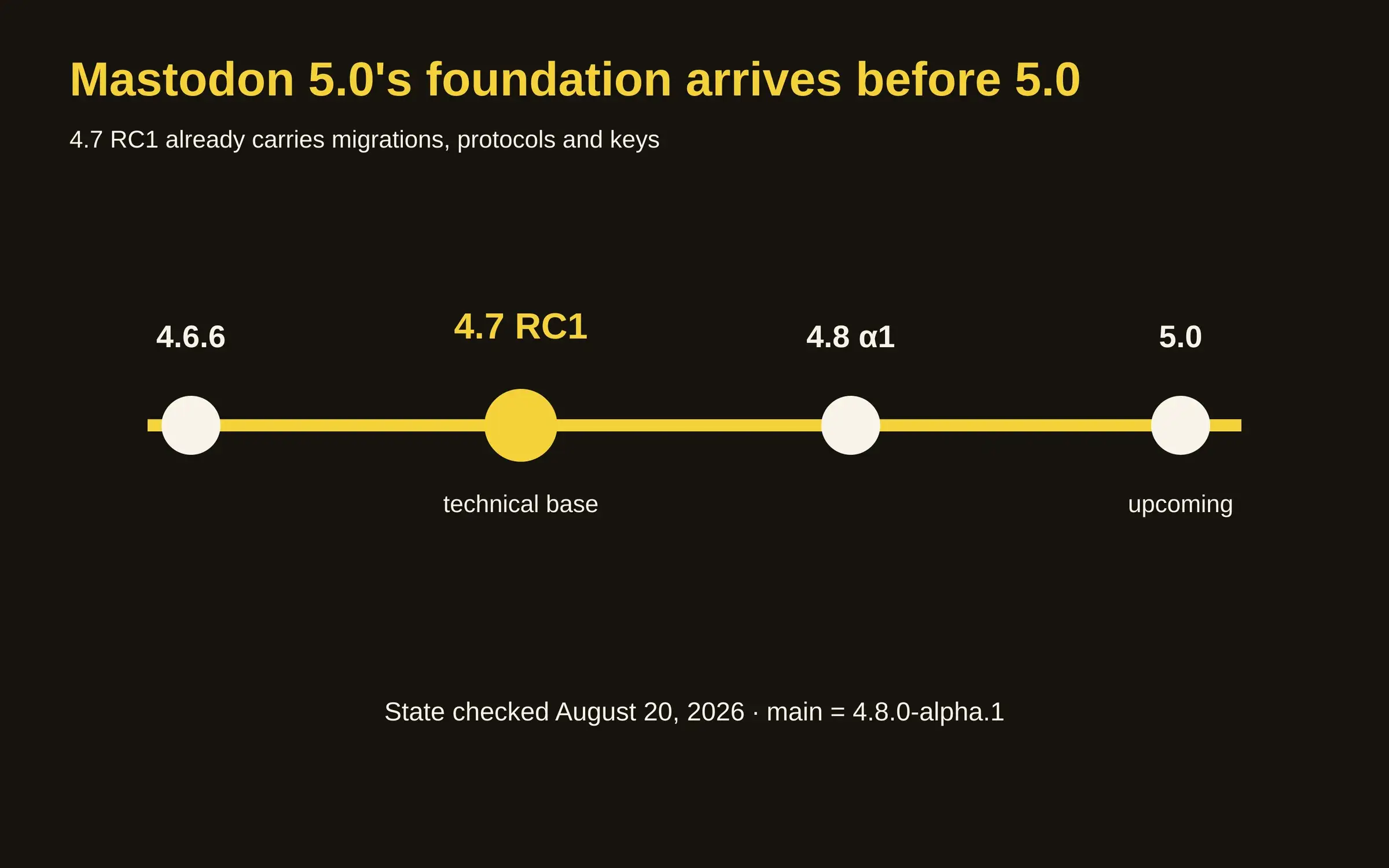
Mastodon is already showing the 5.0 interface, but there is no 5.0 release yet. The heavier admin work is actually arriving in 4.7.
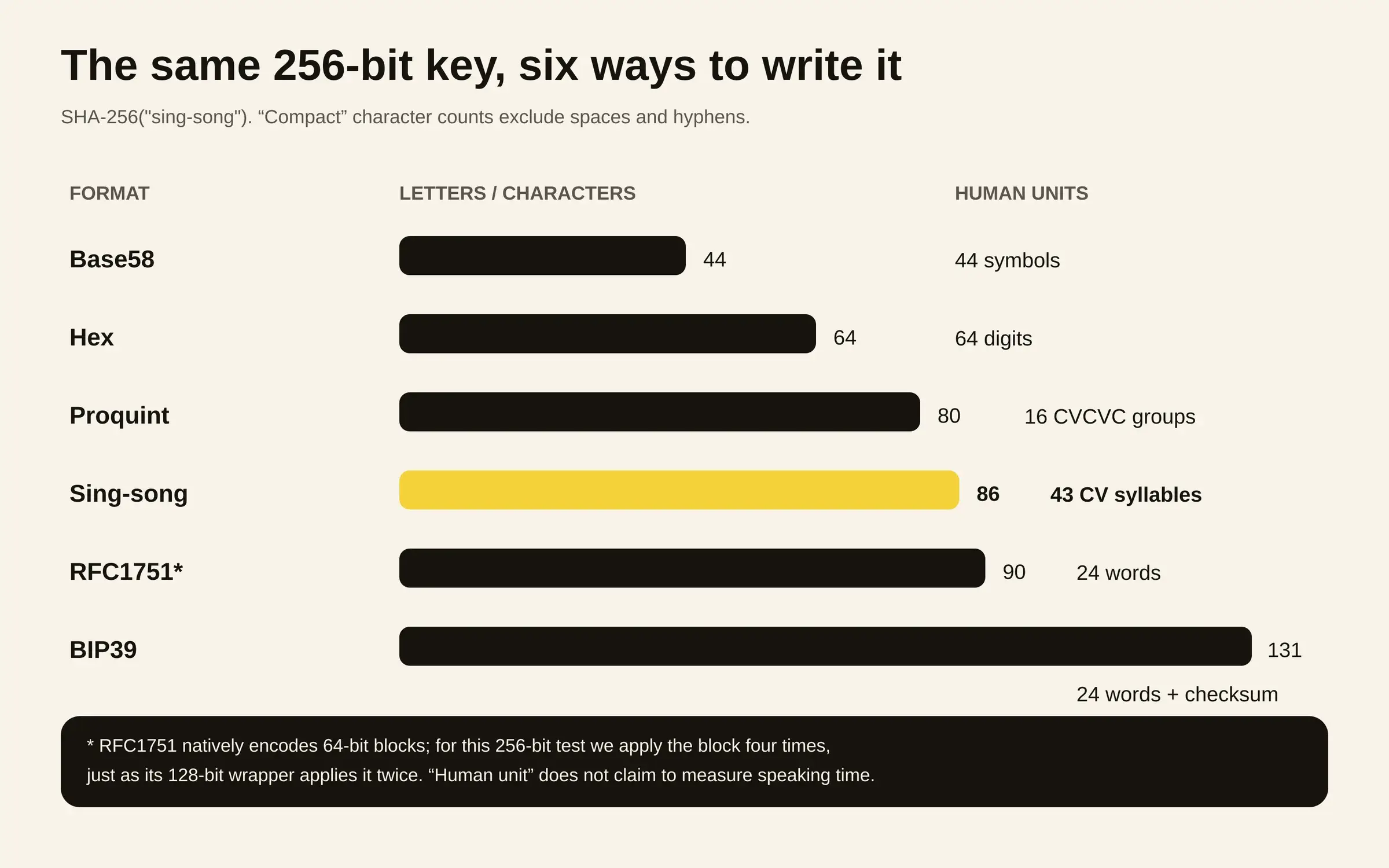
Sing-song turns arbitrary bytes into six-bit CV syllables. It is compact in speech and reversible, but its grammar is neither a checksum nor a complete identity.
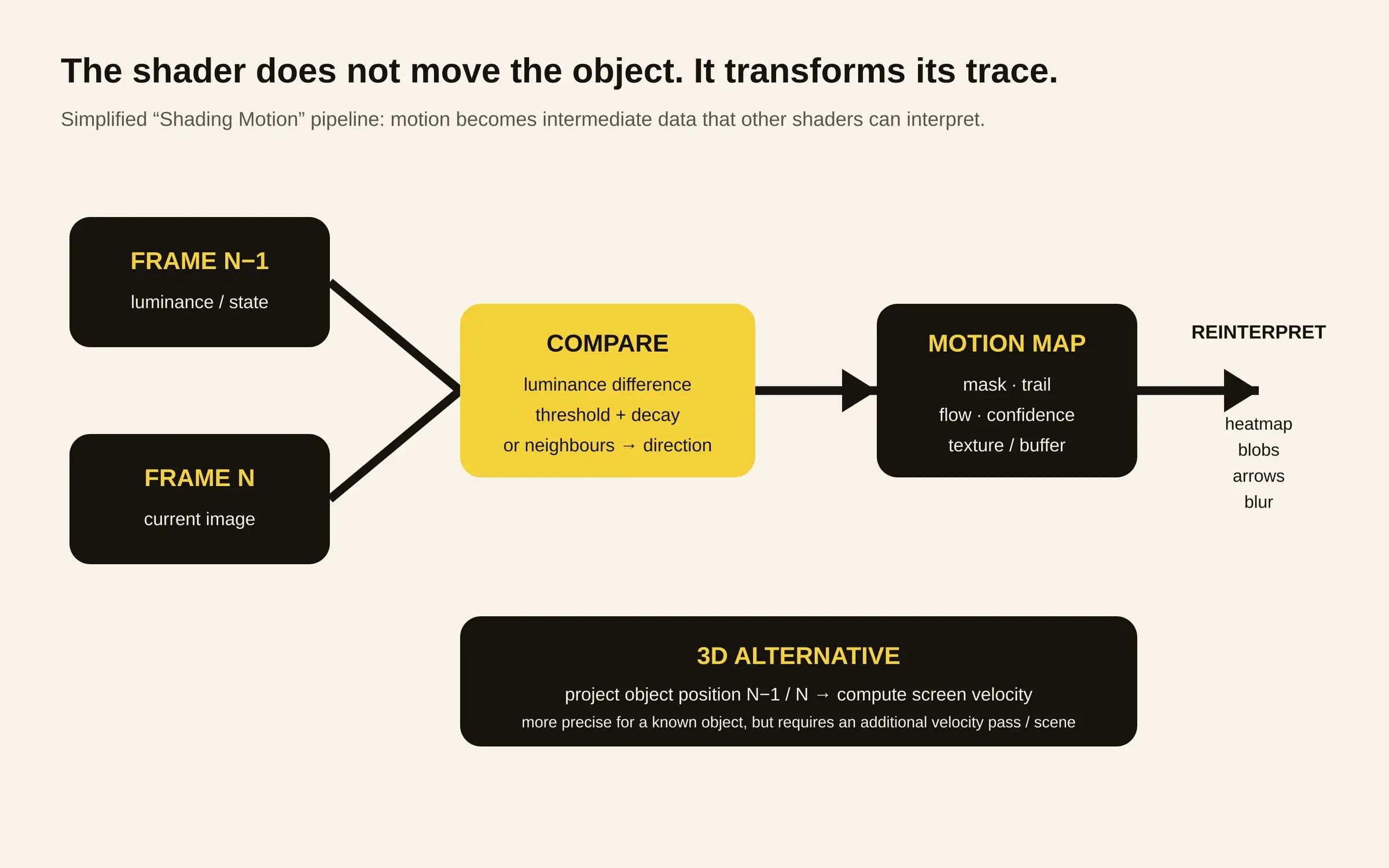
Maxime Heckel does not move objects in a shader: he turns differences between frames into masks, flow and velocity, then draws with those traces. The cost follows the pixels being processed.
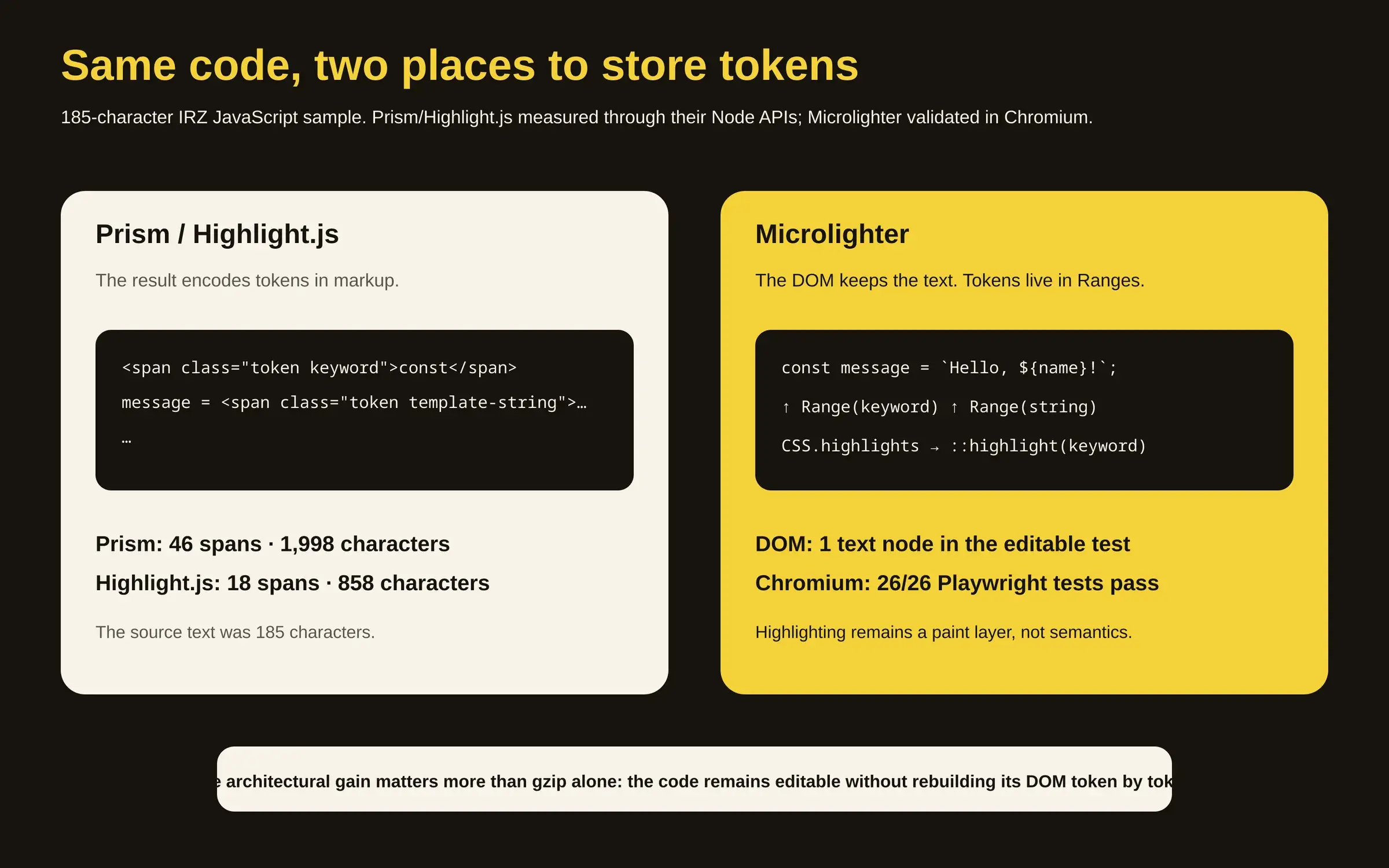
Microlighter colors code with CSS Custom Highlight instead of wrapping every token in spans. We measured the real payload, DOM behavior, 37 grammars and all ten themes.
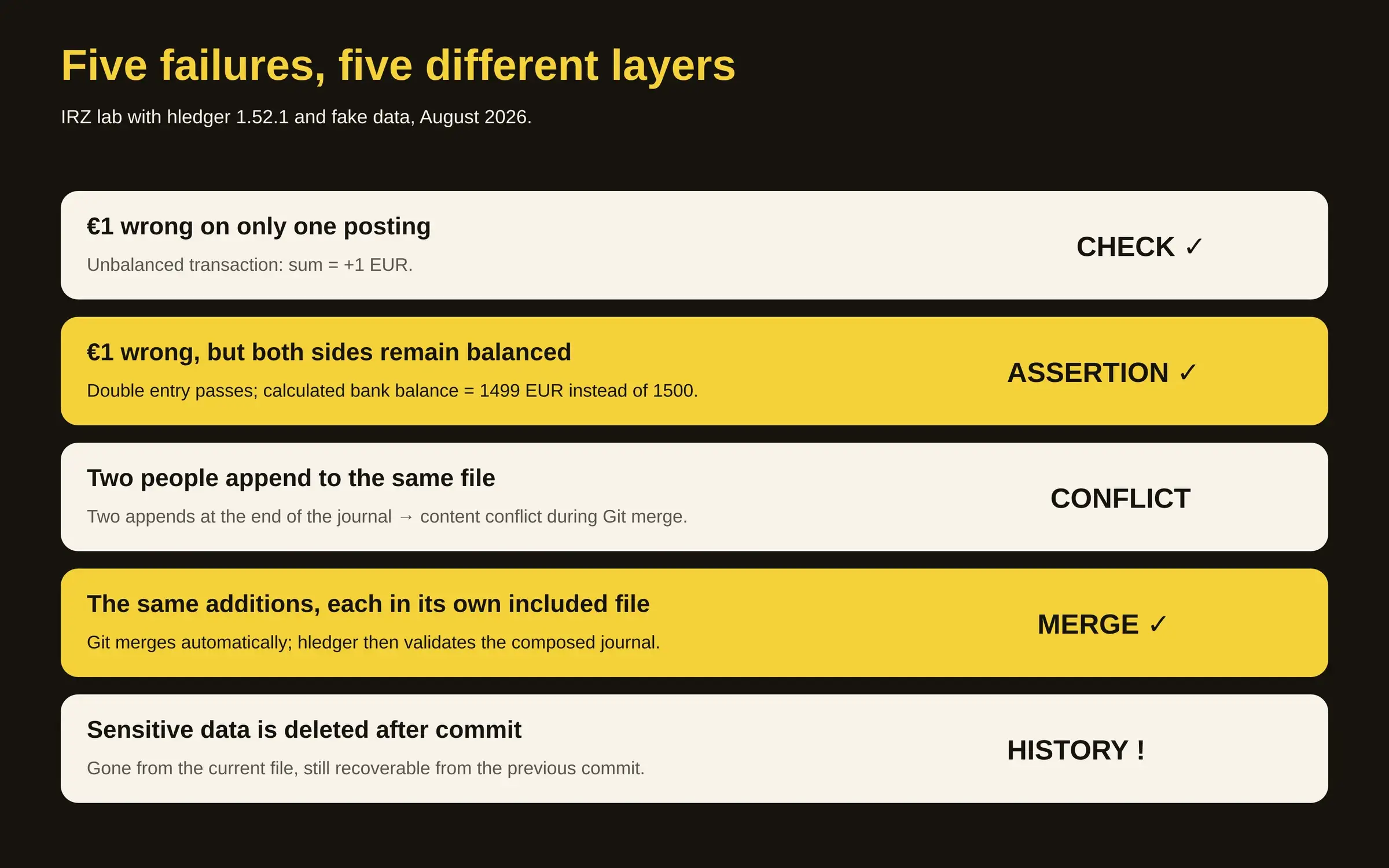
An hledger journal is readable, diffable and exportable. We induced five failures to see what plain text catches, what Git improves and what neither one solves.
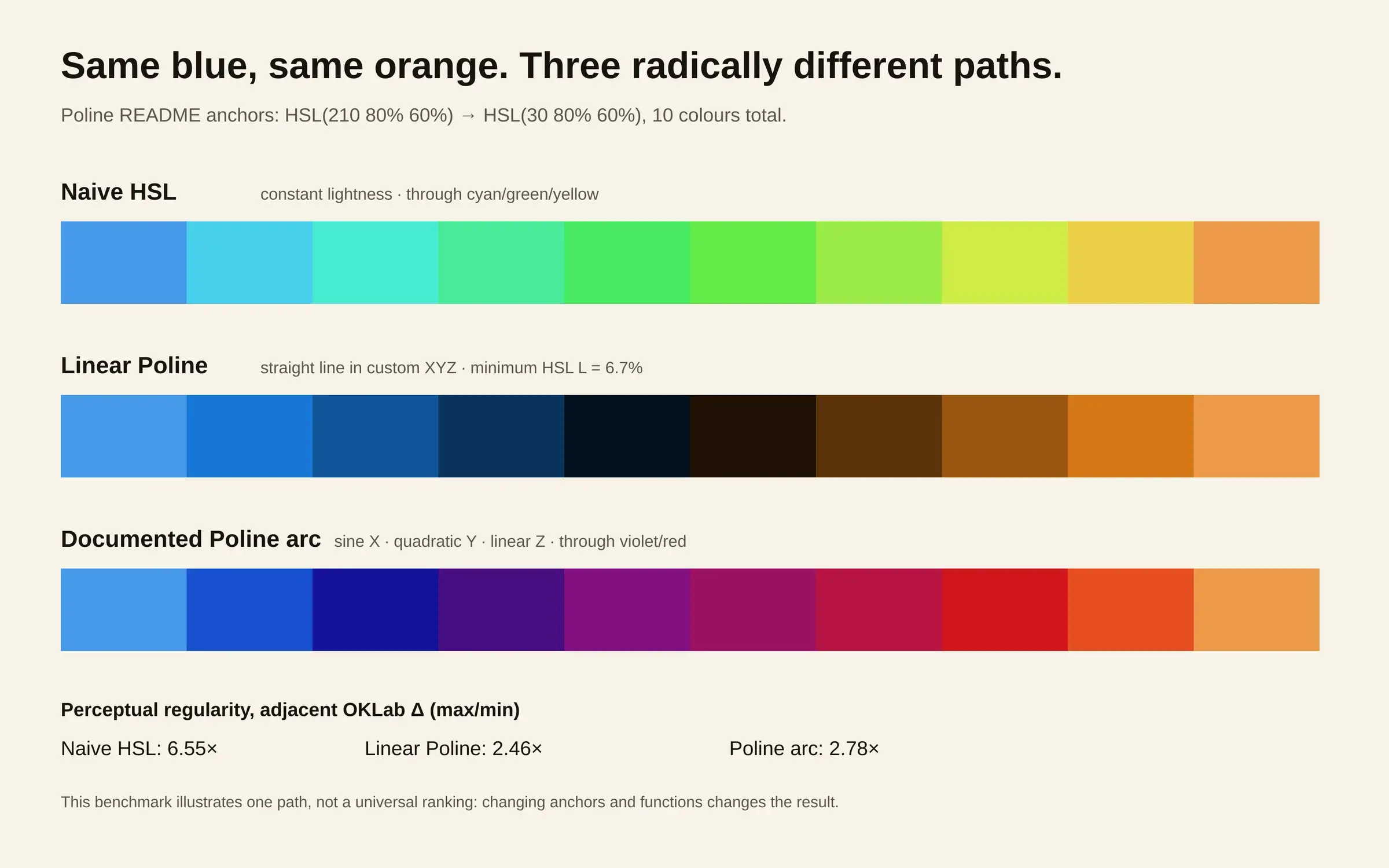
Poline turns anchor colors into geometric points before connecting them. The detour creates surprising palettes, but neither perceptual uniformity nor accessible contrast comes automatically.
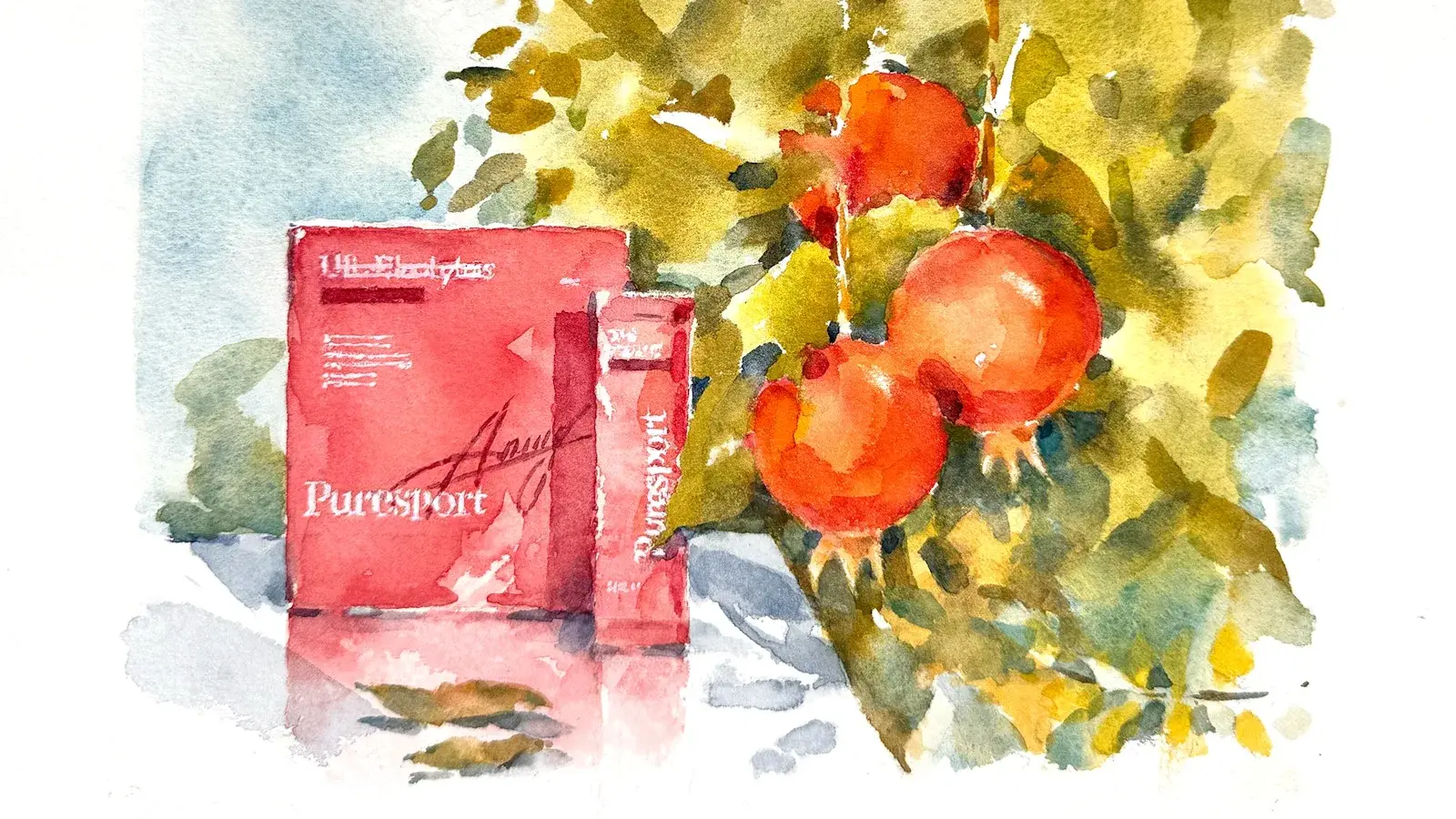
Puresport sent the same kit to four artists and received four different works. The real shift is not AI versus oil but hundreds of possible variants versus four authored originals with rights attached.
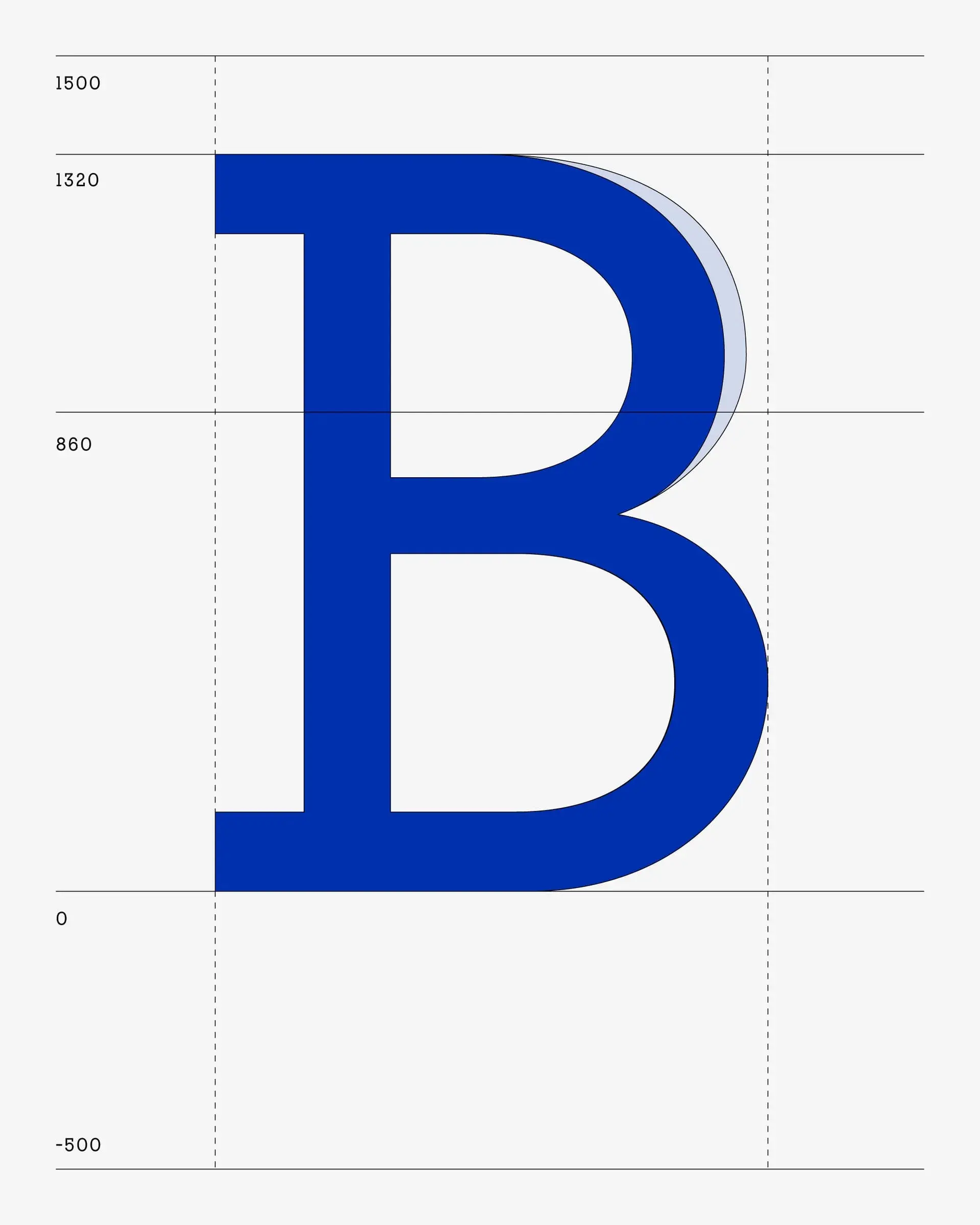
Studio Blackburn went into Brompton’s factory, but the whole system did not come from there. Blue is direct; motion comes from the bike, type from the logo and strategy from an older story.
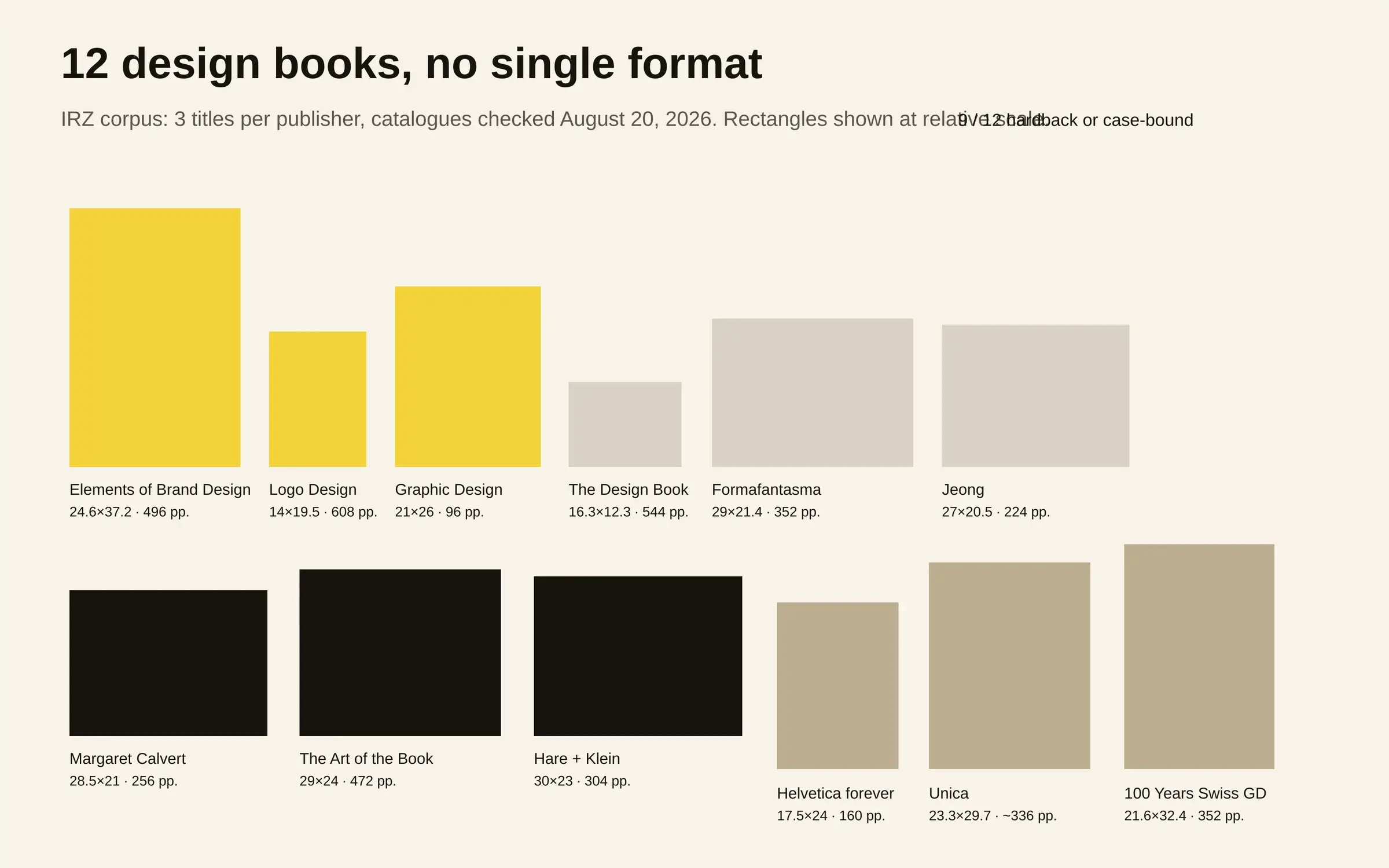
A 12-book sample contradicts the idea of one physical template. Convergence appears elsewhere: premium objects, image-heavy pages and subjects whose authority is already easy to sell.