Plug in one prong set and this adapter's other prongs go live
A nine-dollar universal travel adapter bus-bars every set of prongs onto one conductor. Plug in one set and the others sit at mains voltage.
Archive
IRZ Tech archive, page 2.
A nine-dollar universal travel adapter bus-bars every set of prongs onto one conductor. Plug in one set and the others sit at mains voltage.

Ziva VFX builds the muscles, fat, fascia and skin of a digital character, then lets a solver compute how the matter deforms. VFX work moves before the drawing: you build an anatomy instead of sculpting a surface.

Near the end of Word 97 development, a reproducible crash vanished under a debugger. Microsoft traced it to a CPU erratum and patched one binary sequence with a NOP instead of changing compilers.
With autoRegister, WordPress 7.0 can expose a PHP-rendered block in the editor automatically. The developer loses the JavaScript registration layer, not Gutenberg’s JavaScript.
µBites does not make plastic edible. PET is first broken into microbe-accessible molecules, then yeast rebuilds that carbon before the food mixture is printed into a cookie shape.
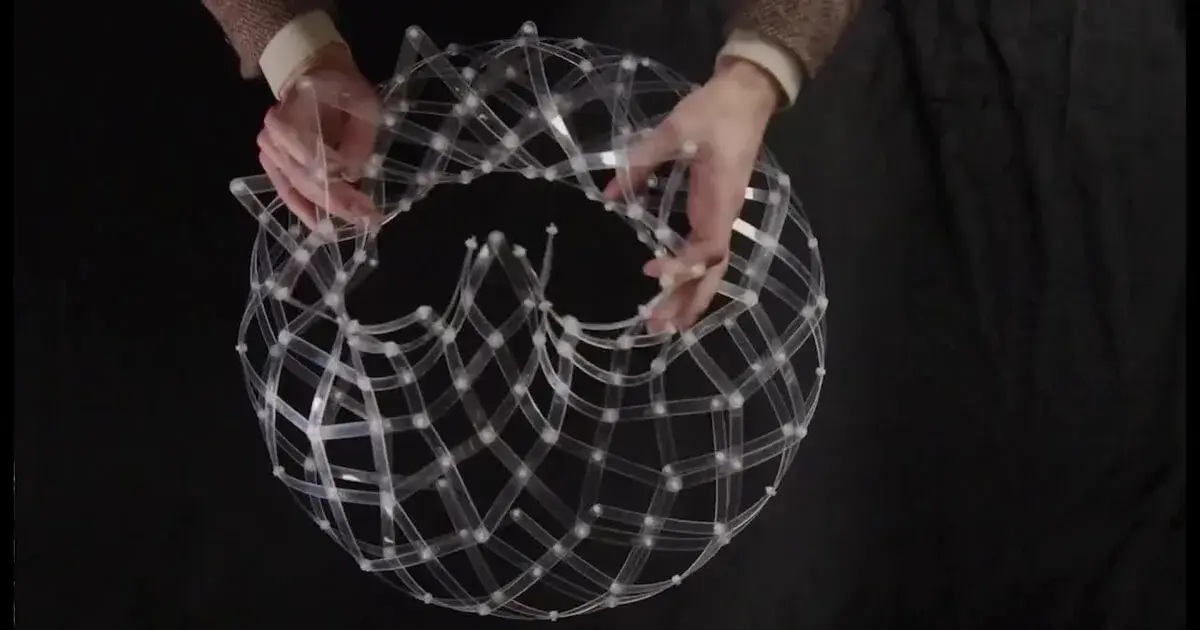
Harvard and Tokyo grow curved surfaces one scissor at a time. A local rule preserves their ability to collapse back into a line.
RFC 868 answered with 32 bits: seconds since 1900. The protocol was tiny because it omitted latency, uncertainty and even the fractional second that NTP would later need to measure.
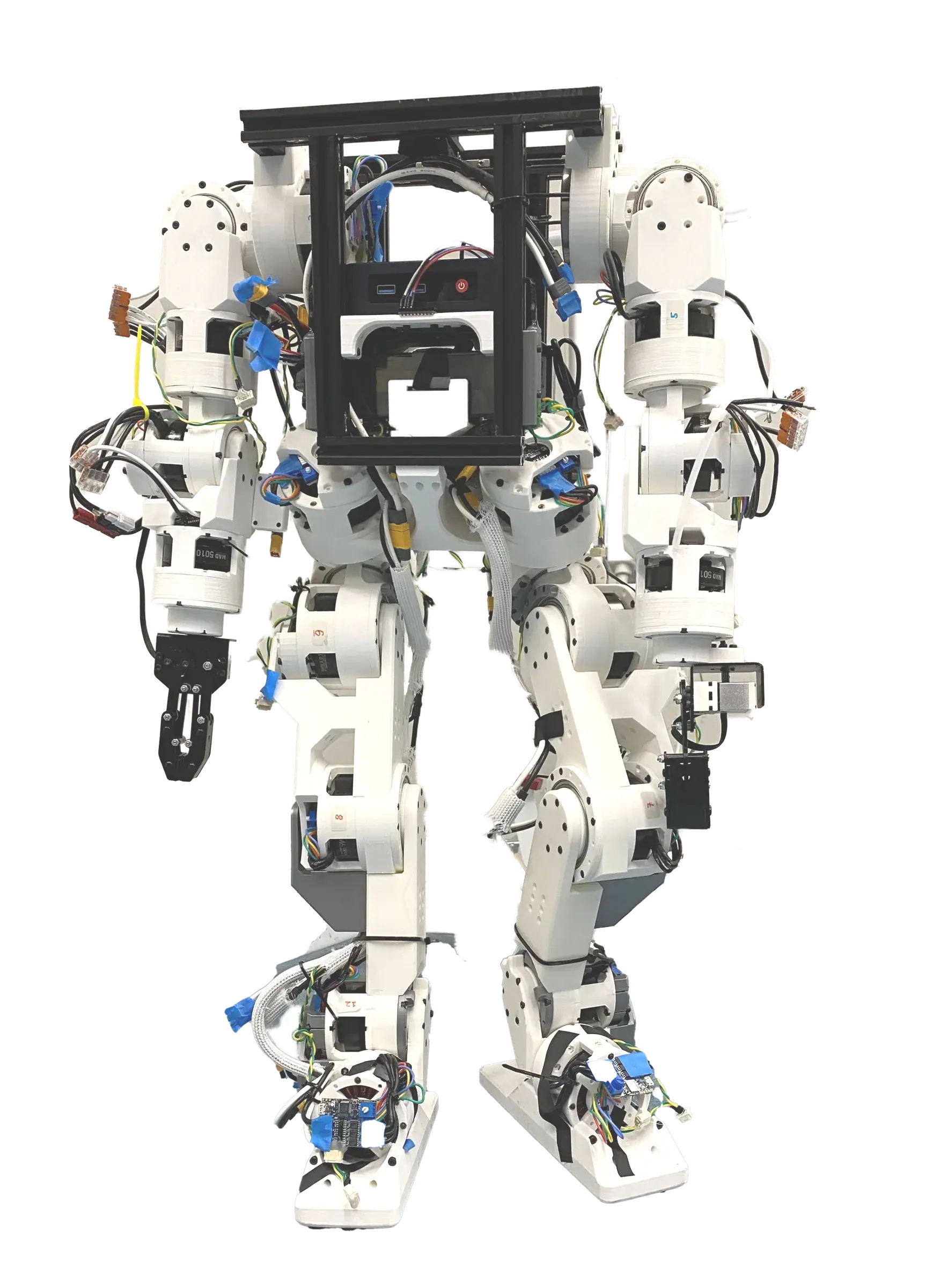
Berkeley Humanoid Lite costs $4,312 in its US BOM. Its 22 actuators account for $3,512. Openness does not erase their cost; it breaks the most expensive part into components that can be understood and replaced.
AutoGeoRef automates the first placement of Sanborn maps without confusing an estimate with truth. Its most useful mechanism may be its ability to refuse a sheet.

Two engineers (NASA, General Atomics) describe the S-BNR: one reactor, two loops, two fuel zones, to bring the Mars transit under 335 days. Architecture, numbers and what is still missing.