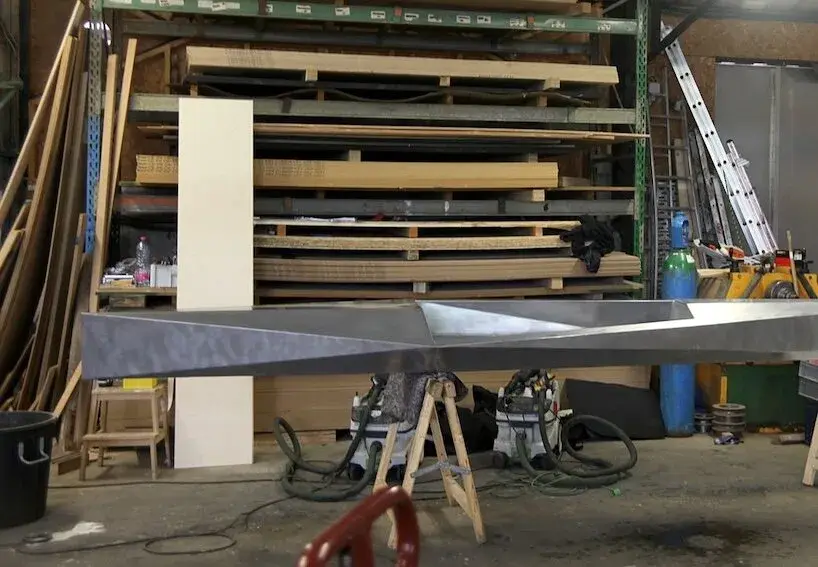
They bought a press brake. Guillaume Bloget turned it into a kayak
Sharp began with a machine already present in the workshop, followed by models tested in water. The process does not come after the form; it helps decide the hull.
Archive
IRZ Craft archive, page 5.
Sharp began with a machine already present in the workshop, followed by models tested in water. The process does not come after the form; it helps decide the hull.
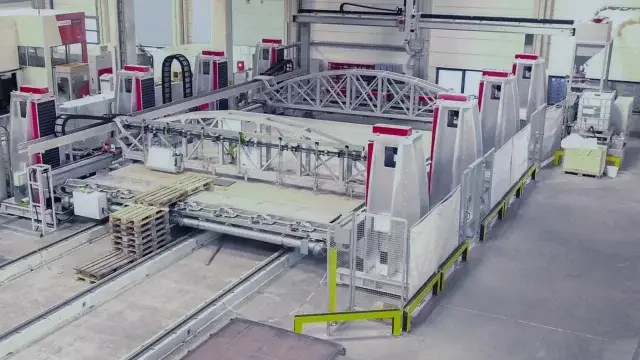
The VX9000 does not print the giant metal component. It prints its sand mold, and that detour is what cuts an announced ten-week preparation to about two.
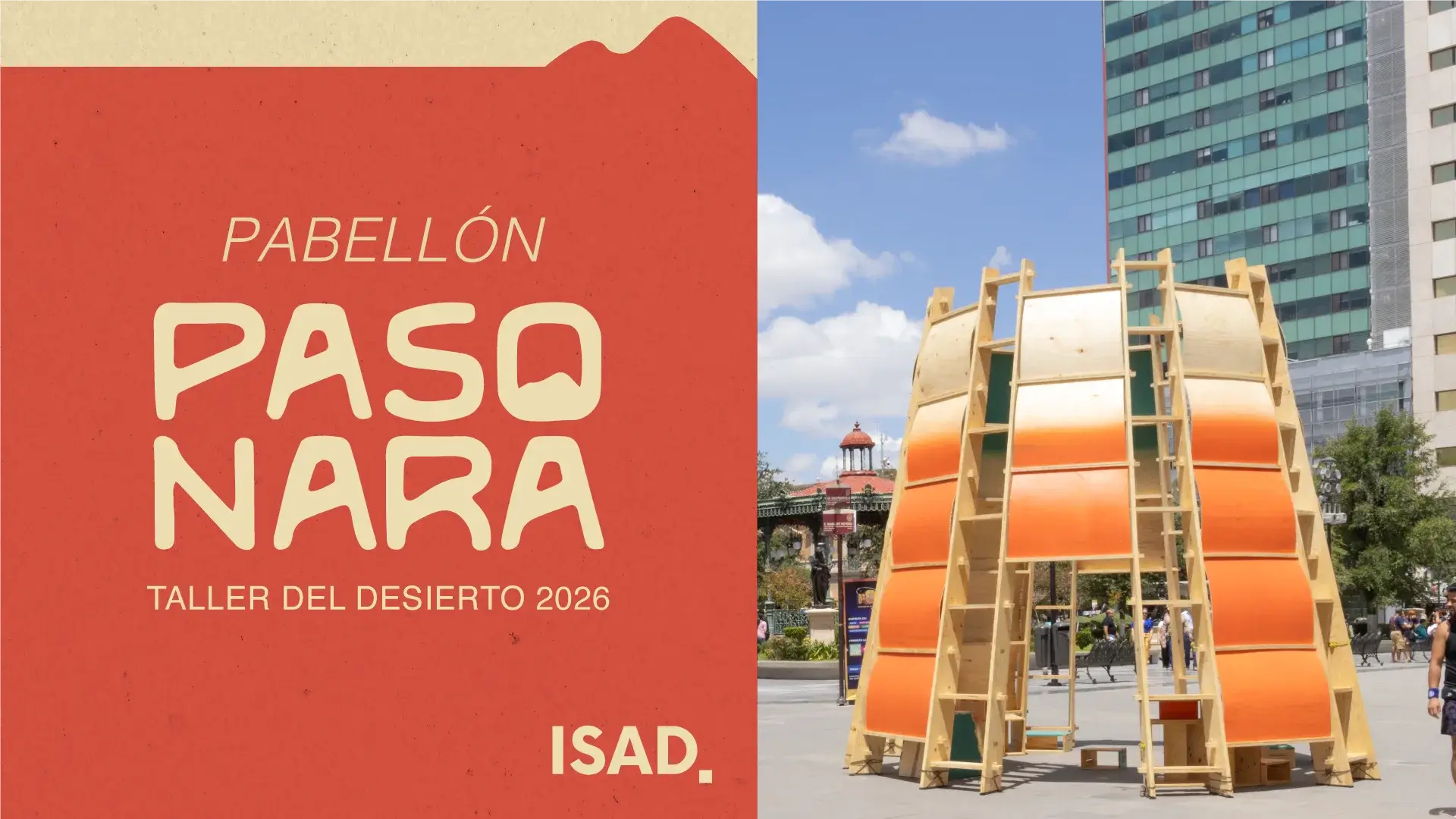
The student pavilion Paso Nara makes digital fabrication leave the render: CNC parts, public assembly, planned dismantling and a trip to Mextrópoli.
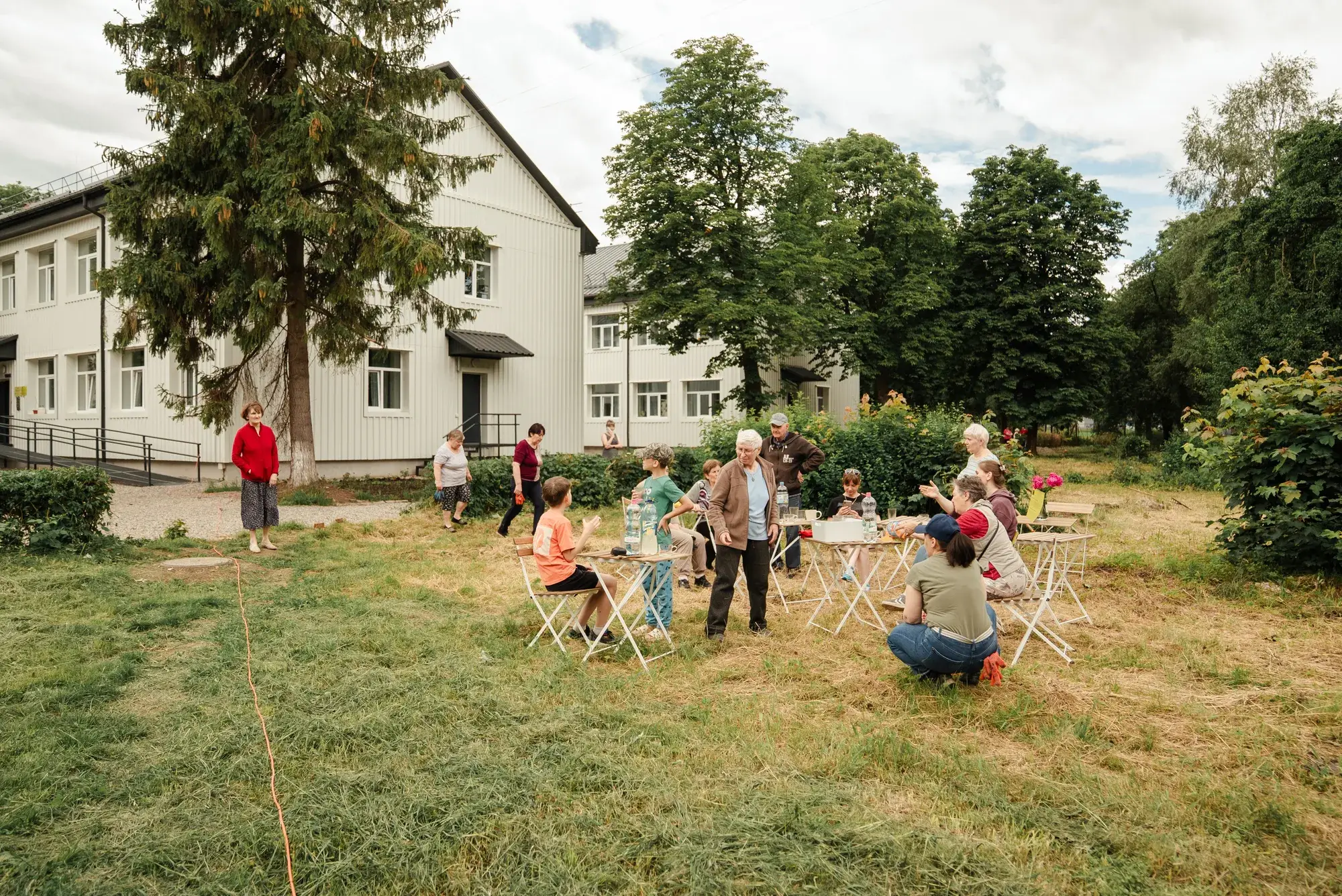
In Ukraine, CO-HATY has moved from emergency dormitories to apartments managed for the long term. Its own reports reveal what that shift changes, and what remains unproven.

For the final Dutch Grand Prix, Royal Delft and Anouk Wipprecht slipped an electroluminescent material inside a hand-painted trophy: four centuries of earthenware meeting the asphalt of Zandvoort.
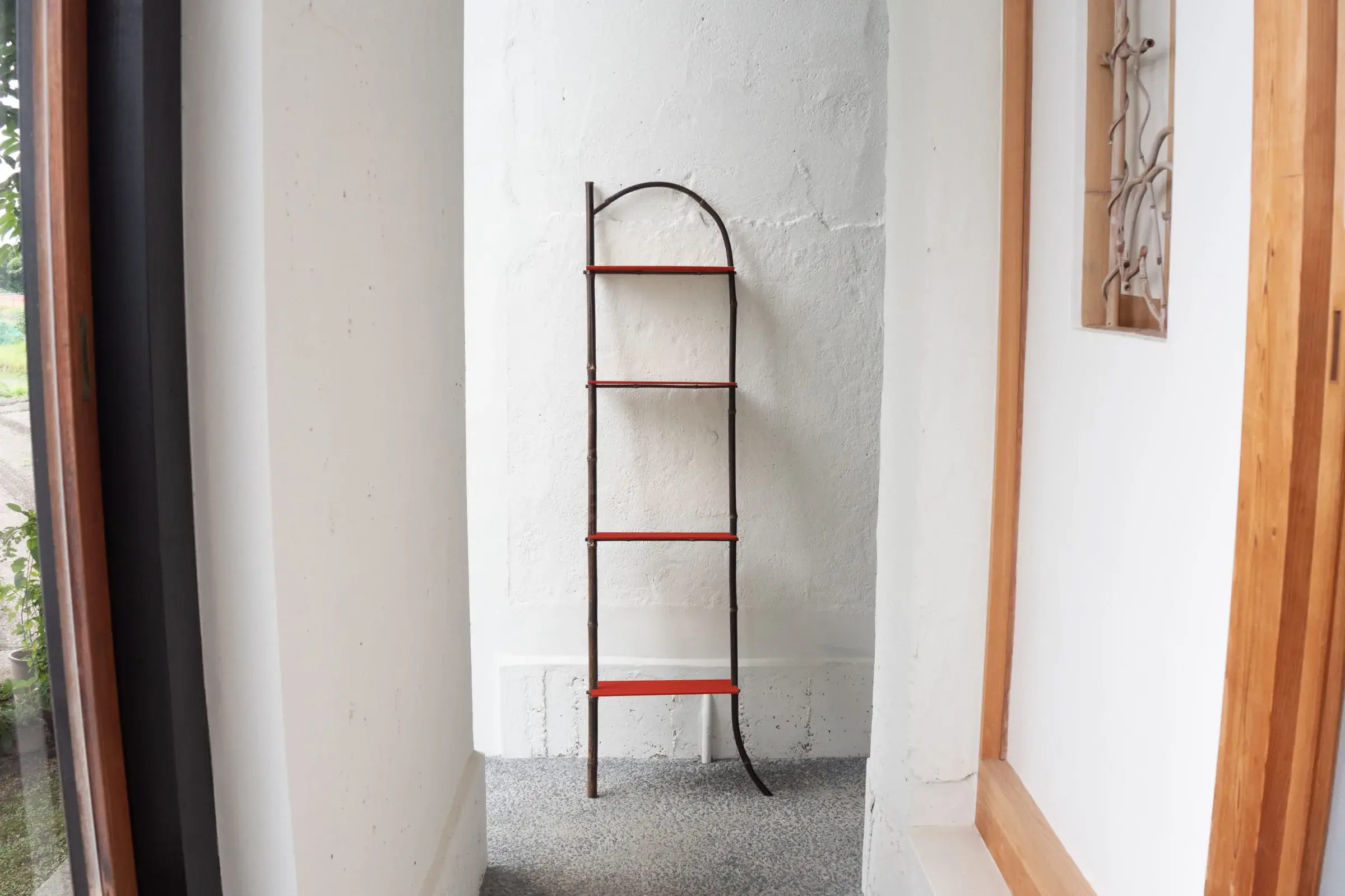
In Red Craft, Kenta Yoshizawa does not simply place four traditional materials on contemporary shapes. He lets their constraints decide what the objects become.
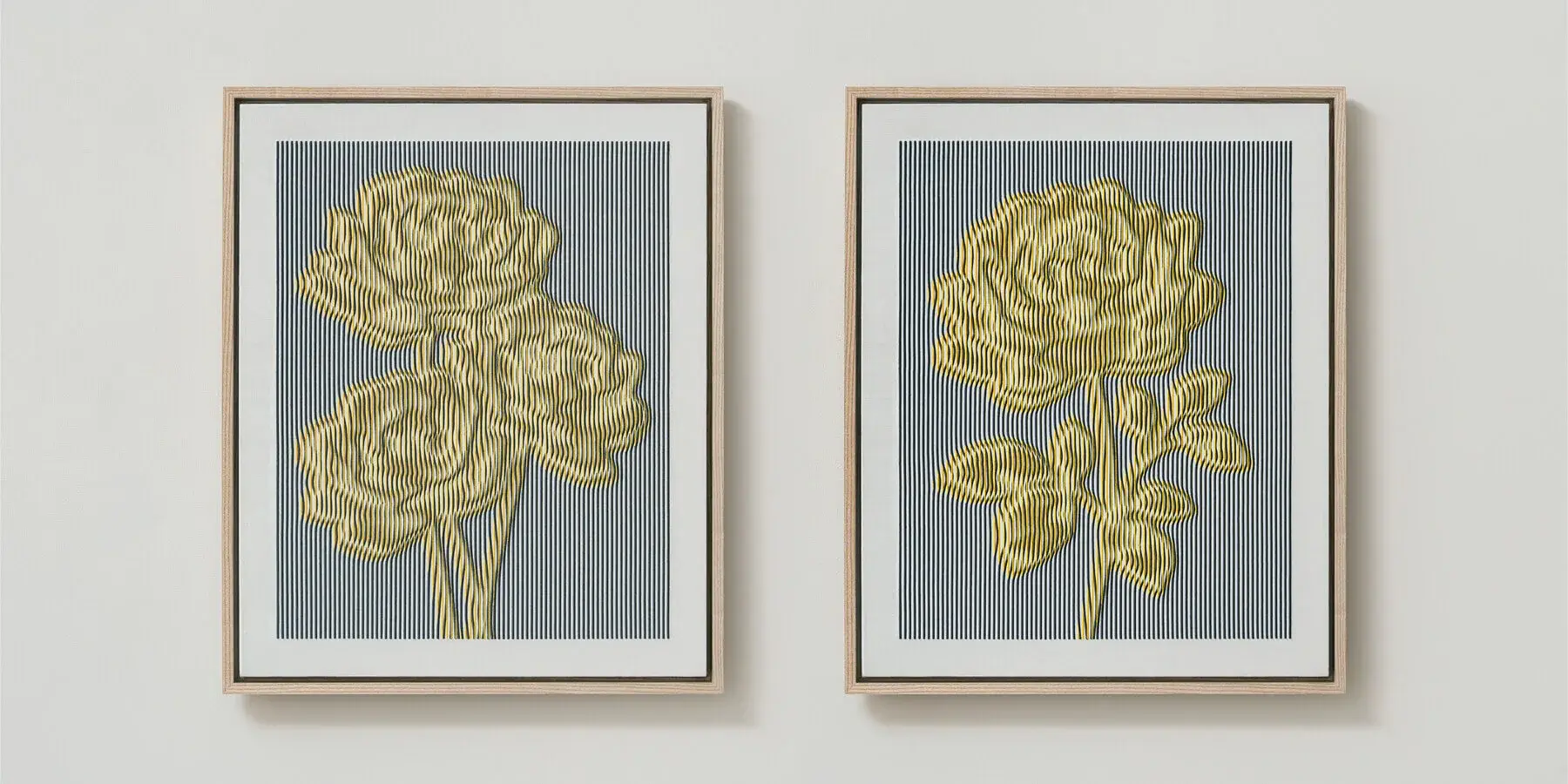
HANAITO uses a digital tool to compose flowers, but the pattern is judged by what satin stitch does to it: volume, shine and material.
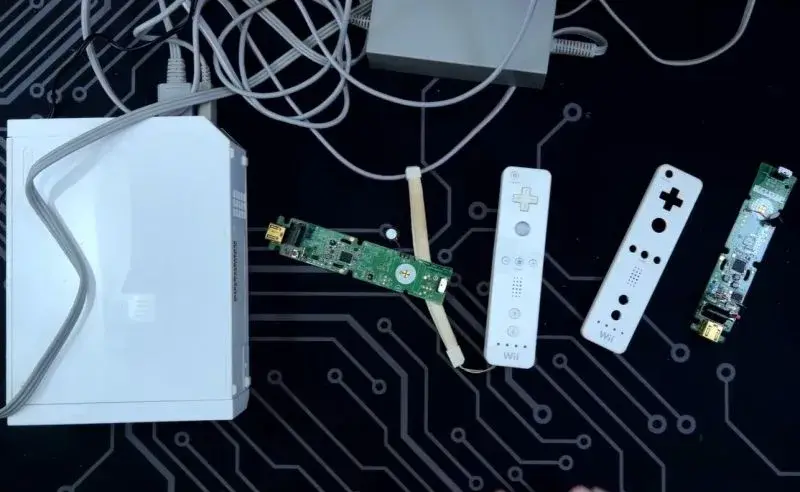
Three Wii Remotes damaged by leaking alkaline cells, insects and corrosion become a triage exercise: identify salvageable boards, clean, measure and rebuild one usable controller.
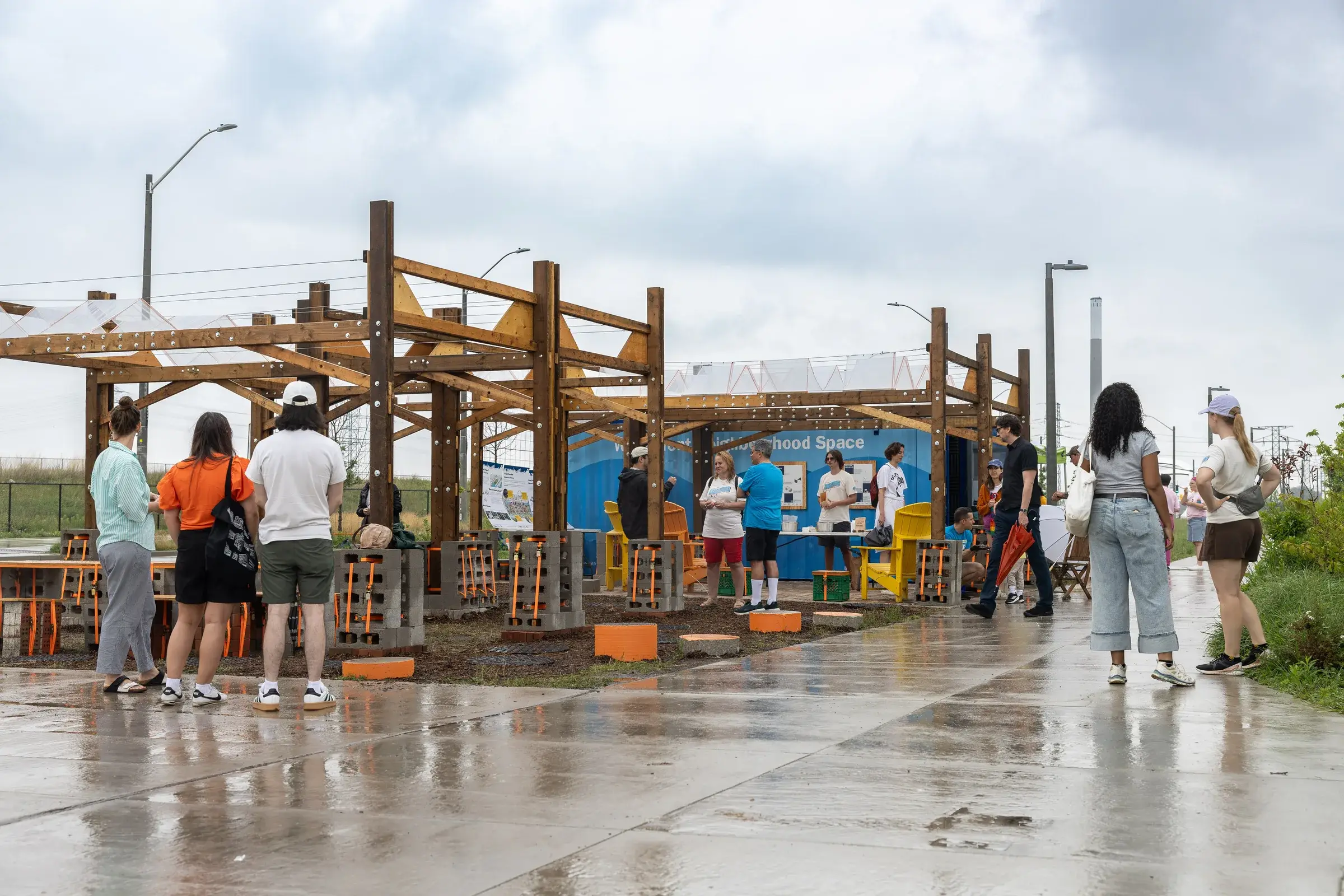
On Ookwemin Minising, GXN and Ha/f did not design a pop-up first and order the materials later. They began with what Toronto already had available.
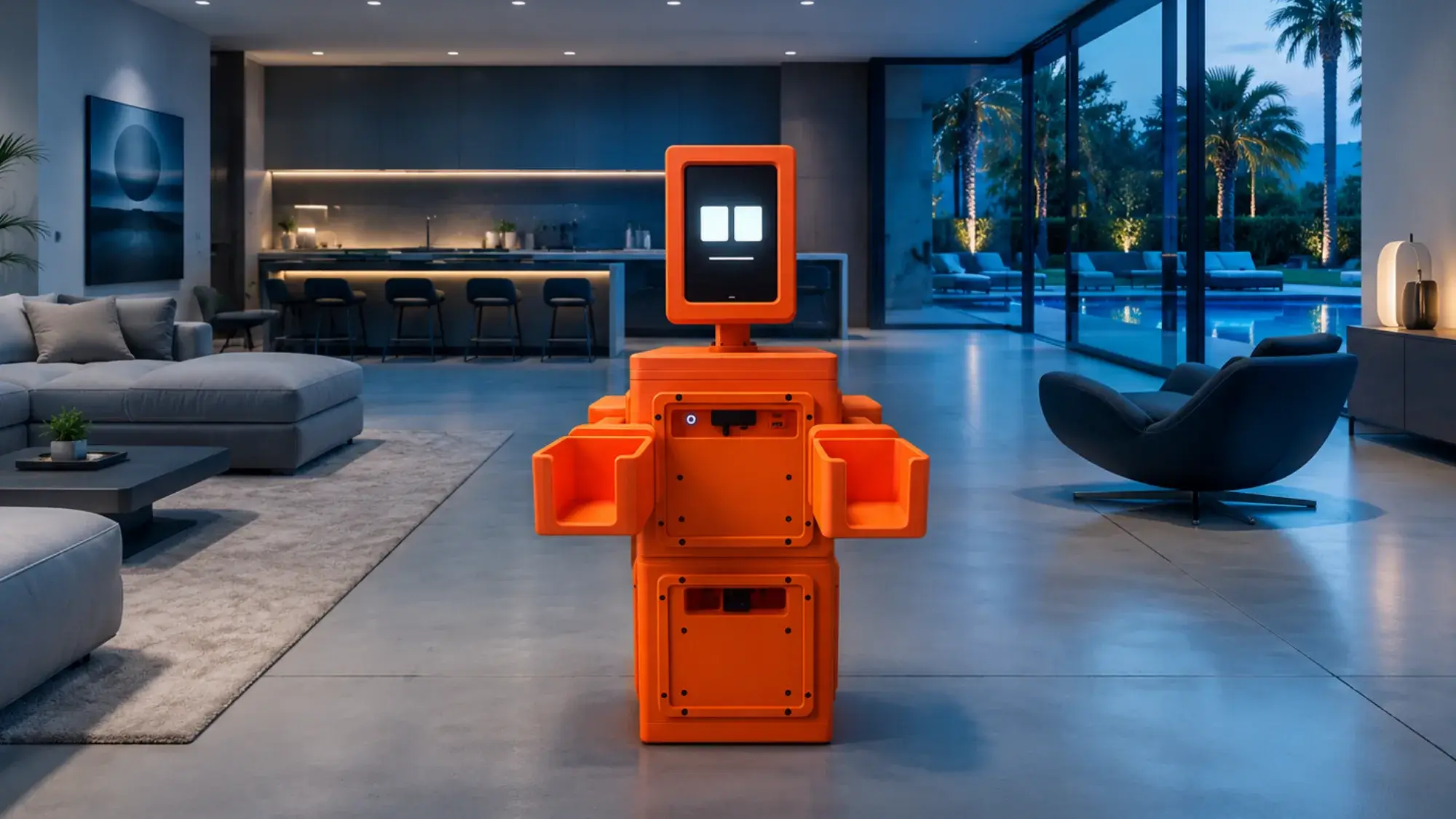
MillieBot splits its printed body into replaceable modules and promises an editable FreeCAD assembly. The mechanical idea is sound, although the public source trail is still hard to audit.