Felice Varini builds an image from one point. Then he asks you to move
Felice Varini's perfect circle is not painted on one wall but distributed across a room. A projector turns a chosen viewpoint into a construction plan.
Archive
IRZ Creative archive, page 4.
Felice Varini's perfect circle is not painted on one wall but distributed across a room. A projector turns a chosen viewpoint into a construction plan.
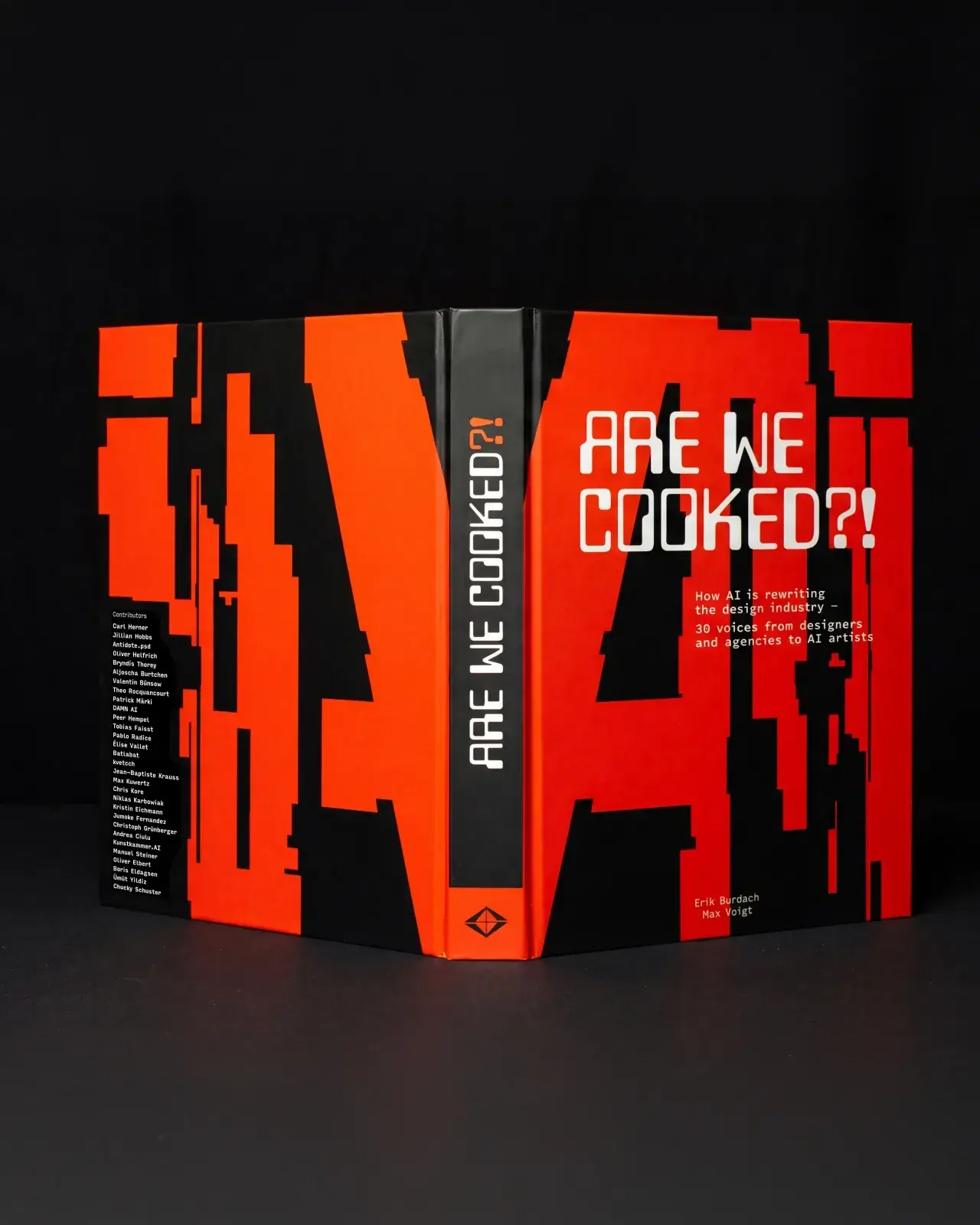
Are we cooked?! asks 30 designers whether AI is ending their profession. The yes-or-no verdict is almost useless; their metaphors, contradictions and definitions of value make a far better map of design in 2026.
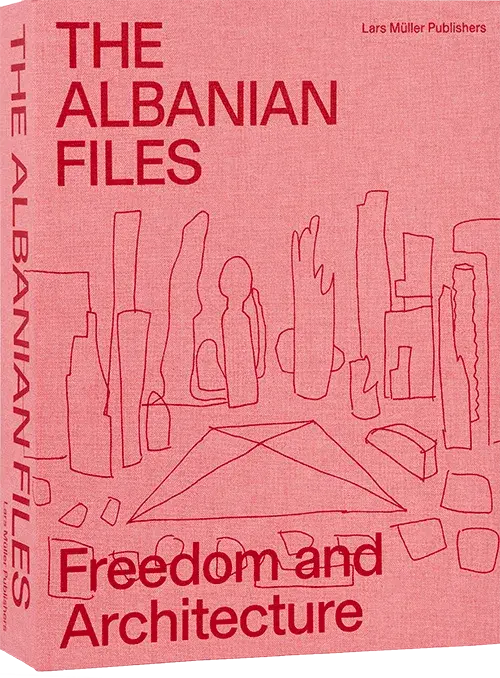
The Albanian Files gathers 60 firms and more than 500 projects. Read as a database rather than a coffee-table book, it reveals how architects, political power and investors meet.
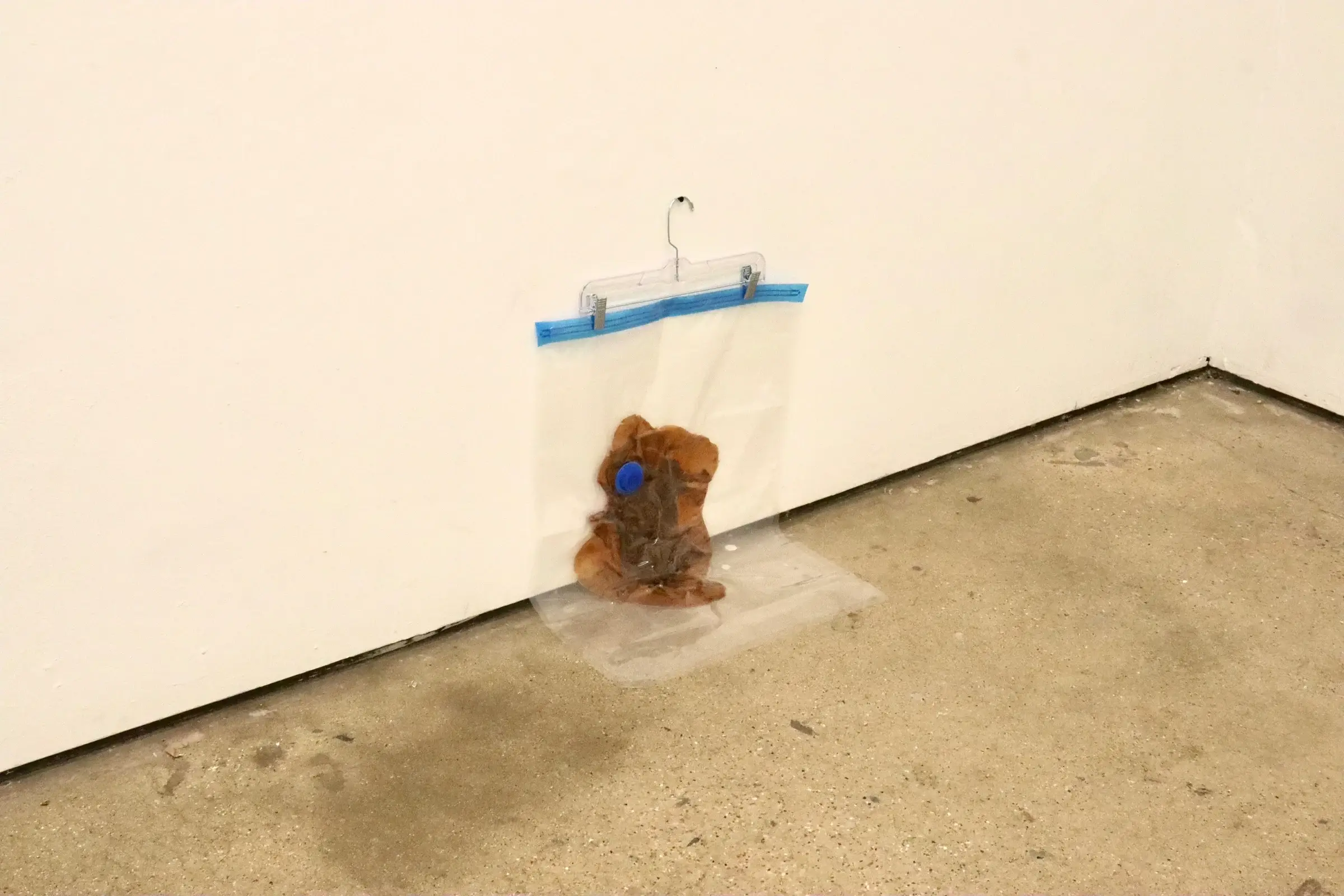
Won Ji Lim builds highly ordered systems and then deliberately stops correcting them. Casing, soil, rope, humidity and gravity keep working after her hands leave the piece.
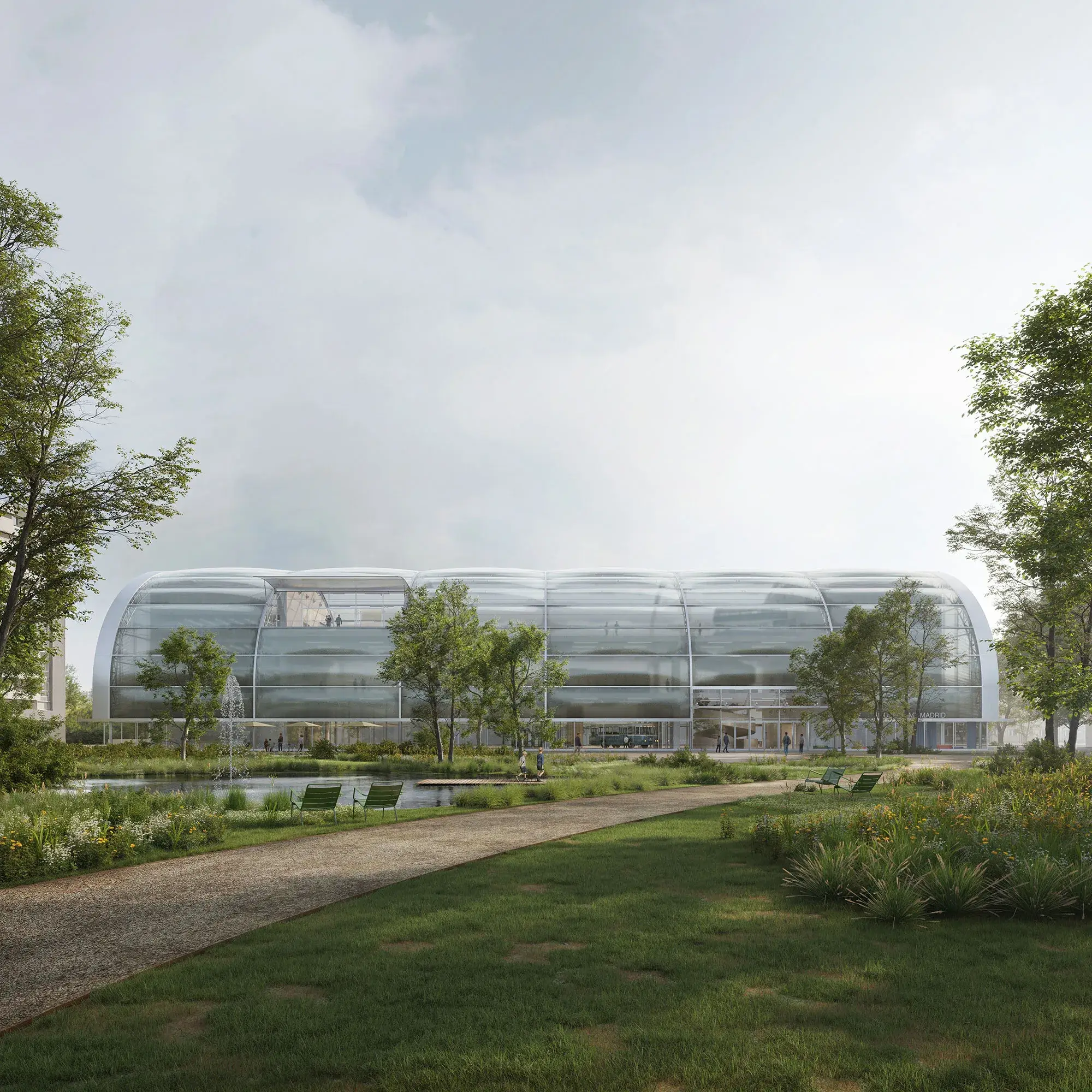
An unselected proposal for Madrid's future EMT museum split two problems apart: reinforced concrete would carry heavy buses while an almost weightless ETFE skin closed the building around them.
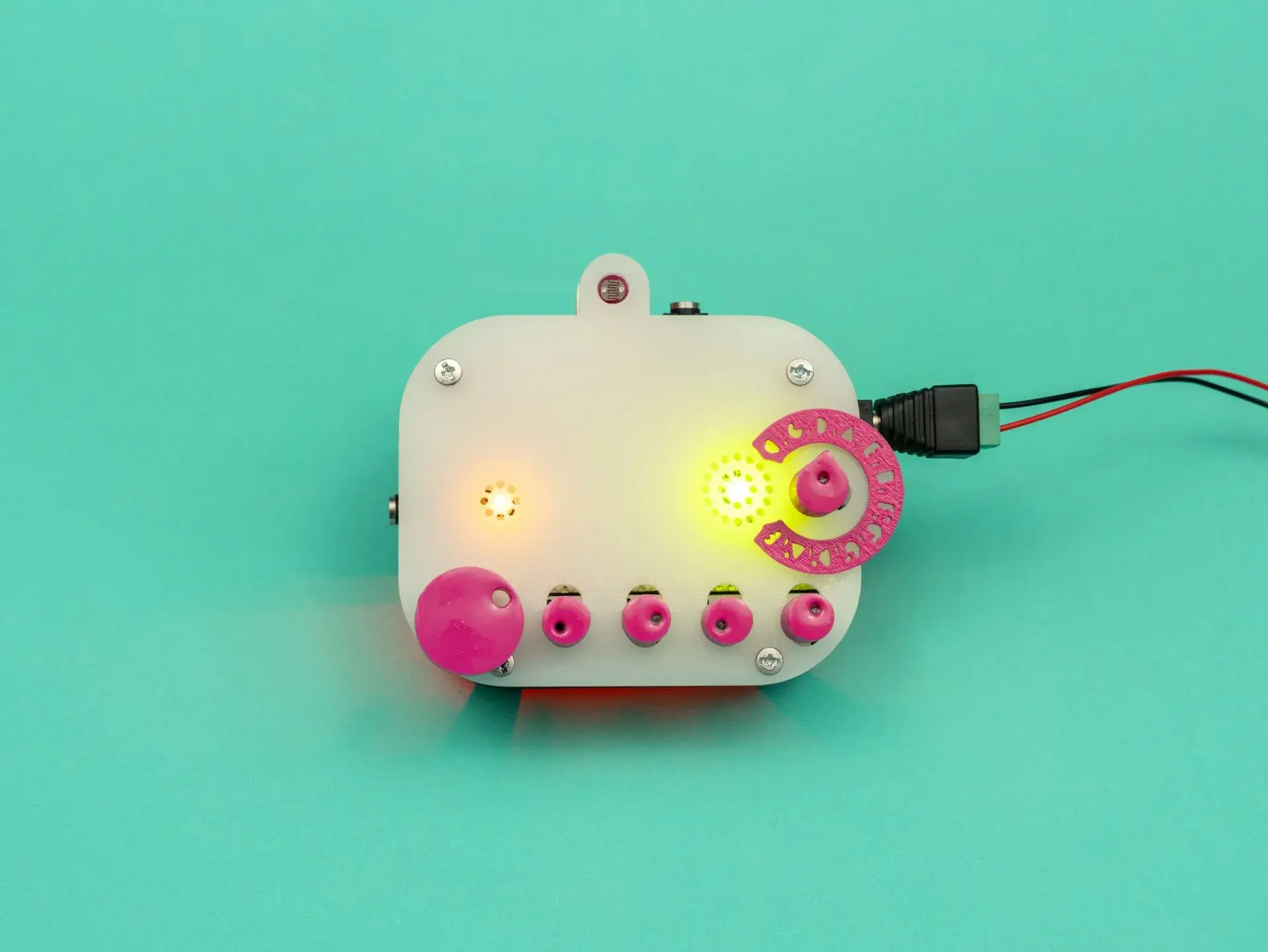
Light, graphite, plants, hands and voltage: Los Aparatos builds instruments in Tucumán where a physical phenomenon can replace part of the keyboard and make experimentation the first move.

V-STAGE is covered in physical controls. Jason Dasent and Roland still had to add spatial descriptions, accessible text and audio to make the instrument learnable without sight.
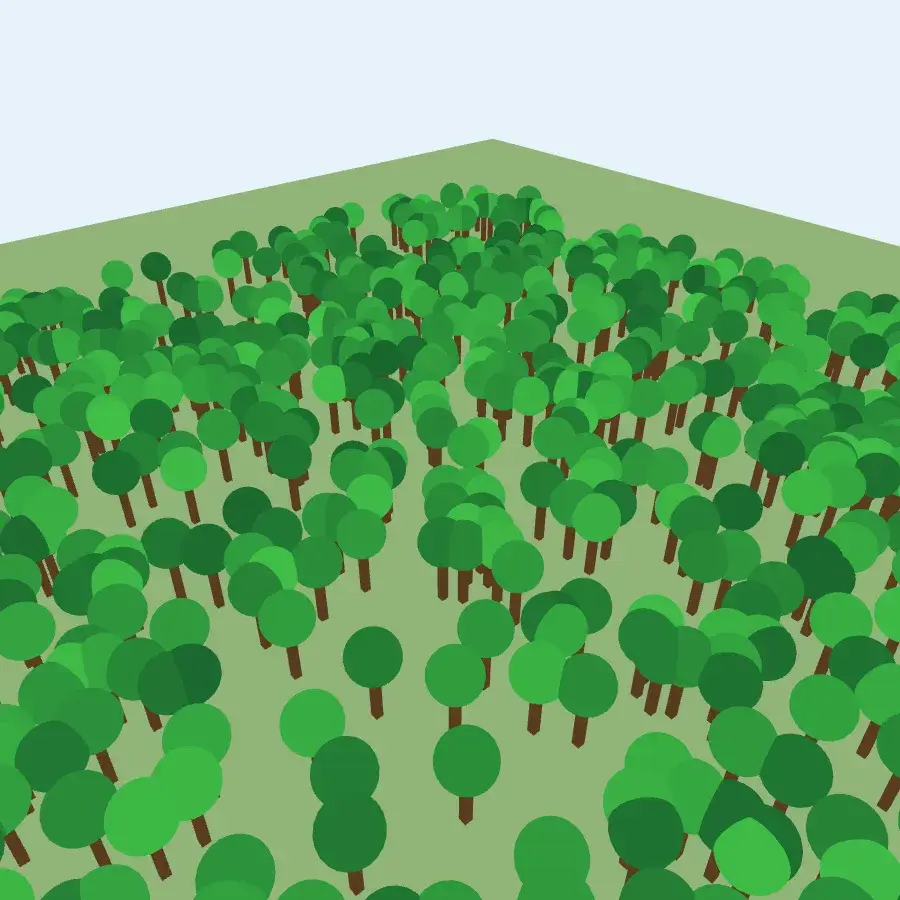
p5.strands is preparing an API where one line can launch hundreds of instances. The speedup comes from shared geometry and fewer draw calls, not free rendering.
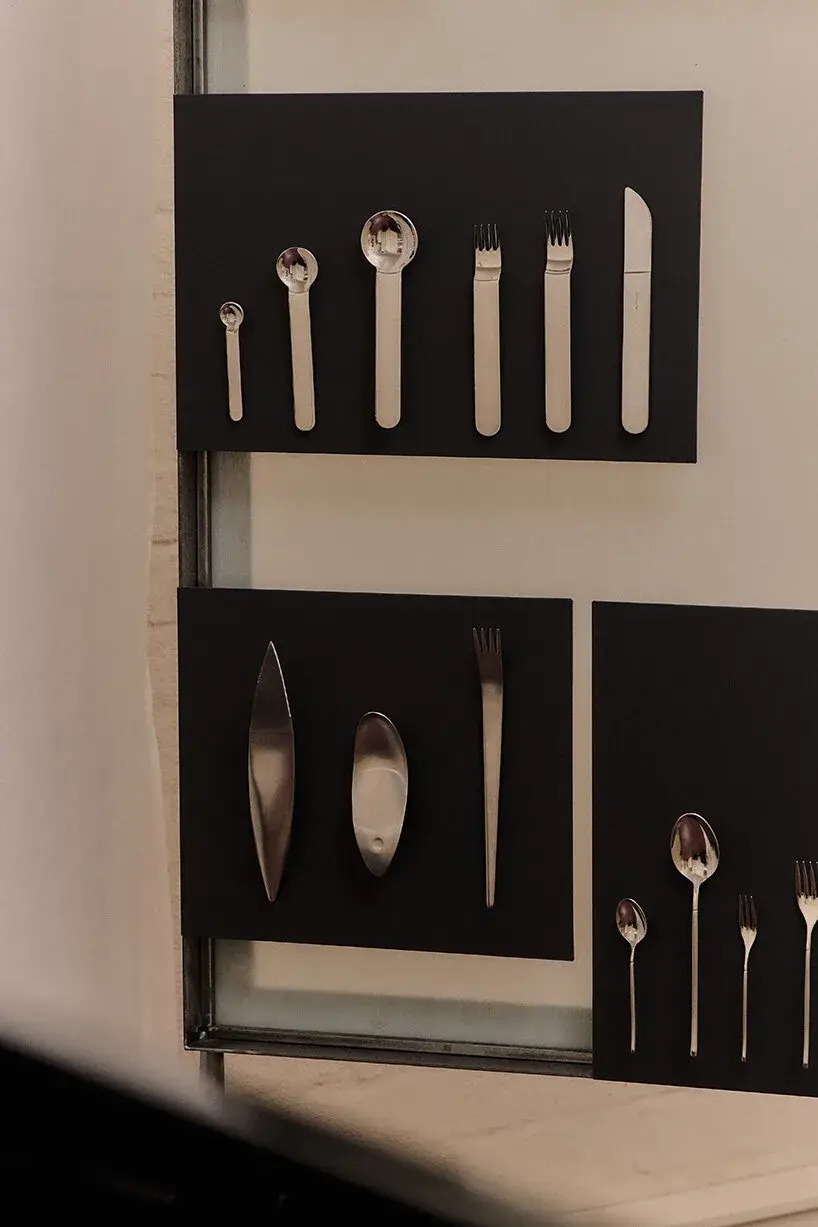
Table Manners disrupts forks, spoons and knives to reveal the tiny movements our hands normally perform without attracting any attention.
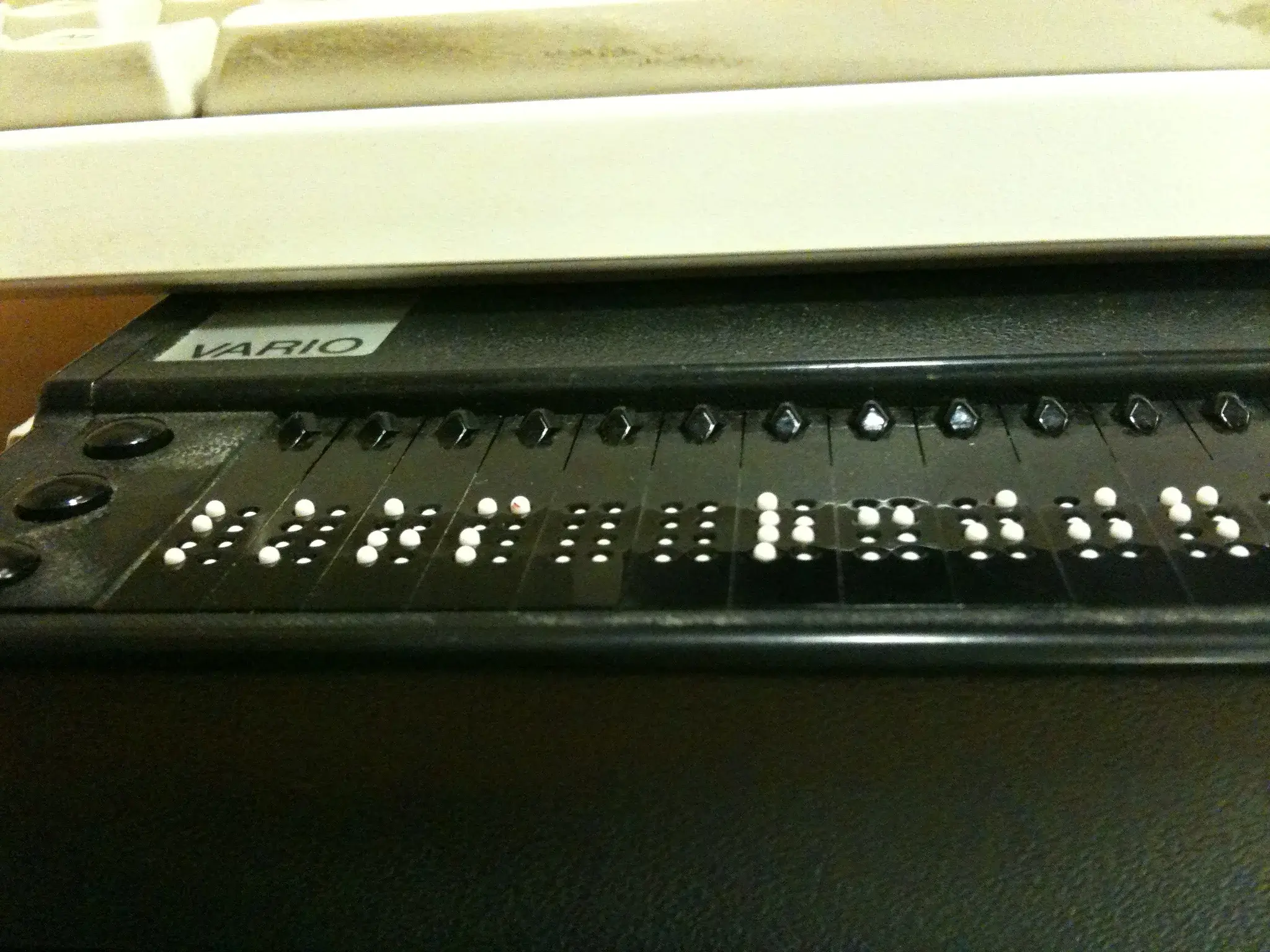
An accessibility consultant proposes flipping a Nielsen heuristic back onto designers: recognize accessibility problems while designing, instead of trying to recall a thousand rules.