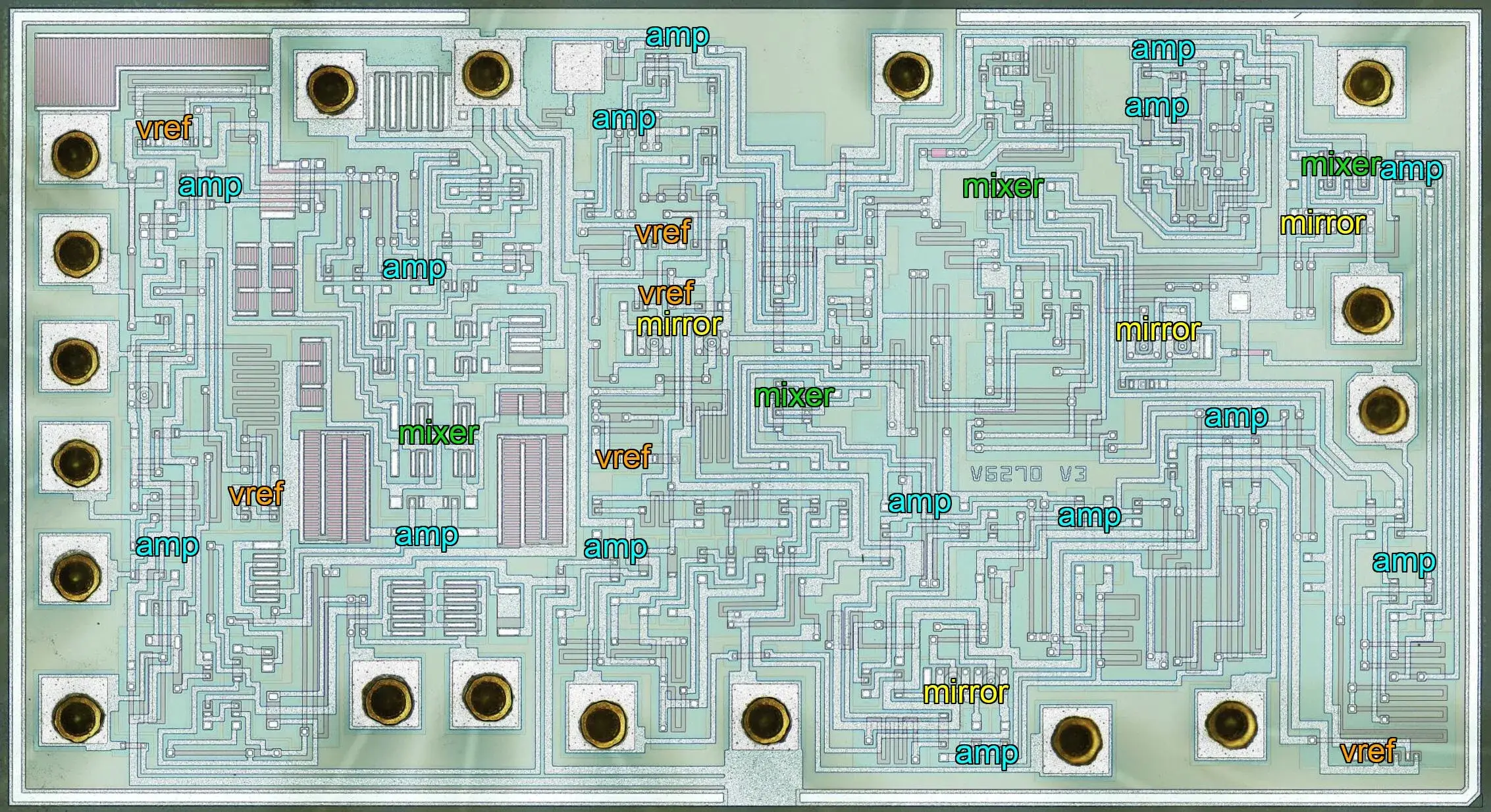
Reading a radio directly from silicon
Ken Shirriff reconstructed the Philips TDA7000 from a photograph of its die. His method turns patterns in silicon into transistors, then into a schematic, one functional block at a time.
Archive
IRZ archive, page 20.
Ken Shirriff reconstructed the Philips TDA7000 from a photograph of its die. His method turns patterns in silicon into transistors, then into a schematic, one functional block at a time.
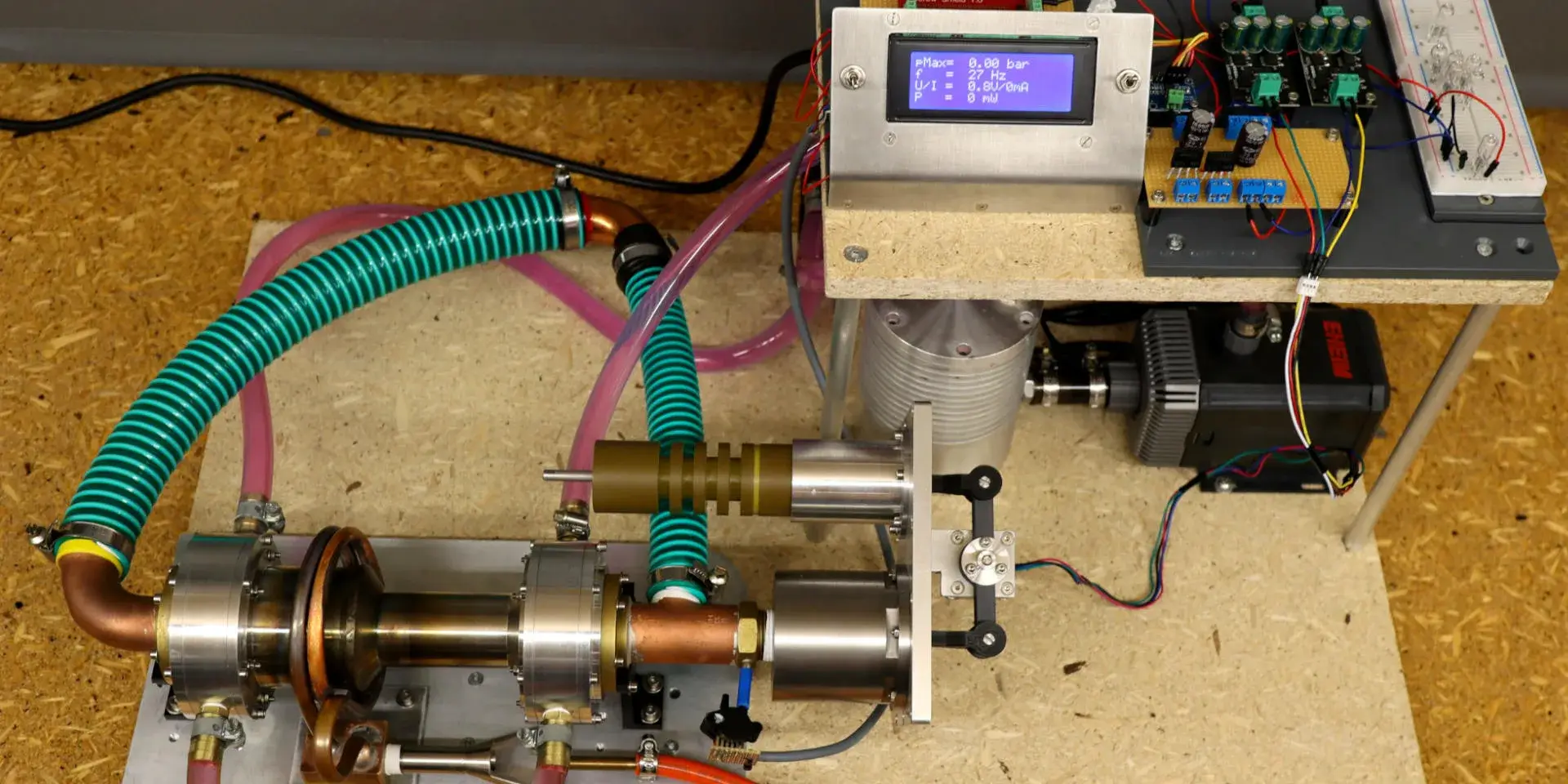
A thermoacoustic engine is becoming reproducible from published 3D files. The interesting part is not the word printable, but how the design divides heat, pressure and geometry between polymer and metal processes.
Uri Tuchman built a simplified hand-cranked Hammond to show how spinning steel discs become musical notes — with no digital circuits at all.
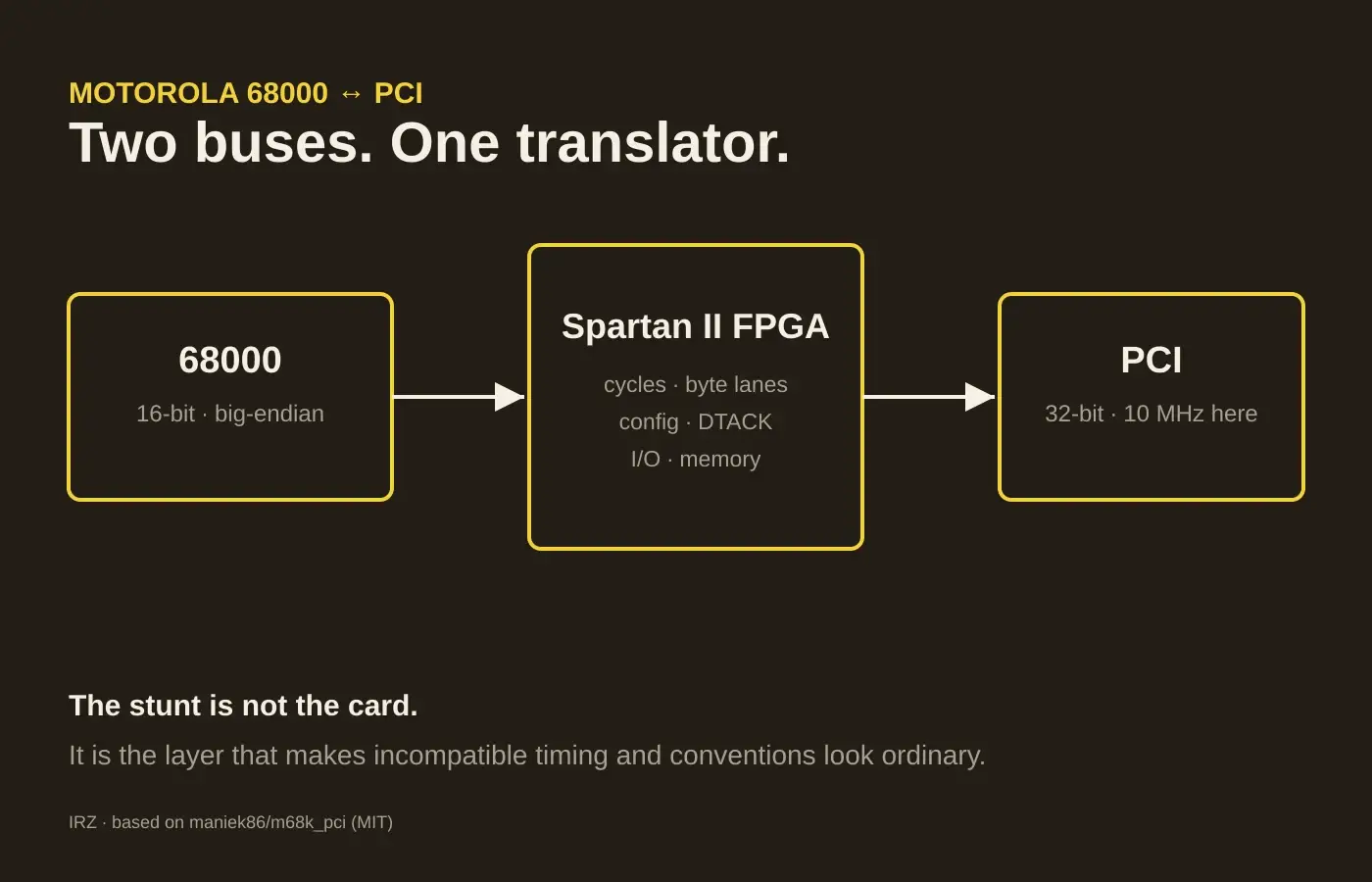
A Motorola 68000 can drive real PCI cards, but only because an FPGA translates timing, byte order, addressing and interrupts between two incompatible buses.
Kevin Lynagh is not automating PCB design. His KiCad helpers automate the awkward moment when he has to remember how his entire workflow worked last time.
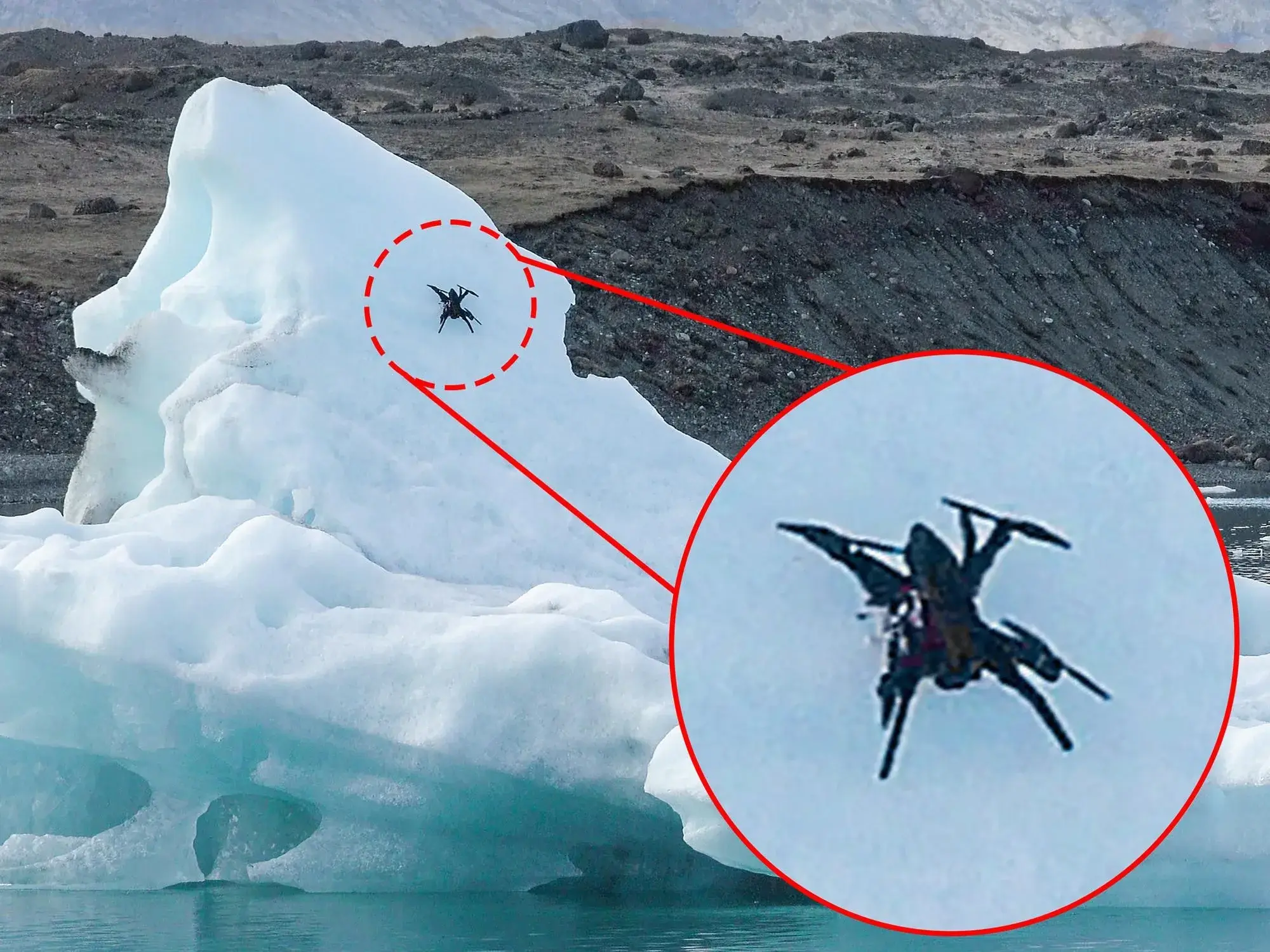
Ice Dart is not designed to hover above an iceberg. It absorbs impact, drives eight spines into the ice and uses reverse thrust to become a fixed sensor on slopes approaching 60 degrees.

V-STAGE is covered in physical controls. Jason Dasent and Roland still had to add spatial descriptions, accessible text and audio to make the instrument learnable without sight.
Two joysticks force an operator to translate intent into four machine joints. MIT's World-Space Interface copies the excavator geometry so software can perform that translation instead.
Glitch'n offers a free electronics course on breadboard for a few dollars. The real product is not the circuit — it's the learning progression.

p5.strands is preparing an API where one line can launch hundreds of instances. The speedup comes from shared geometry and fewer draw calls, not free rendering.