Soldering tutorials have an occlusion problem. 3D capture can help
Thirteen soldering demonstrations use free-viewpoint Gaussian splats so the learner can move around the iron, tweezers and PCB after the gesture has been recorded.
Archive
IRZ archive, page 29.

Thirteen soldering demonstrations use free-viewpoint Gaussian splats so the learner can move around the iron, tweezers and PCB after the gesture has been recorded.

VUILD’s Tokyo project connects modular timber, thousands of digitally defined screw positions and 3D-printed guides to a simple requirement: the building should be able to come apart later.

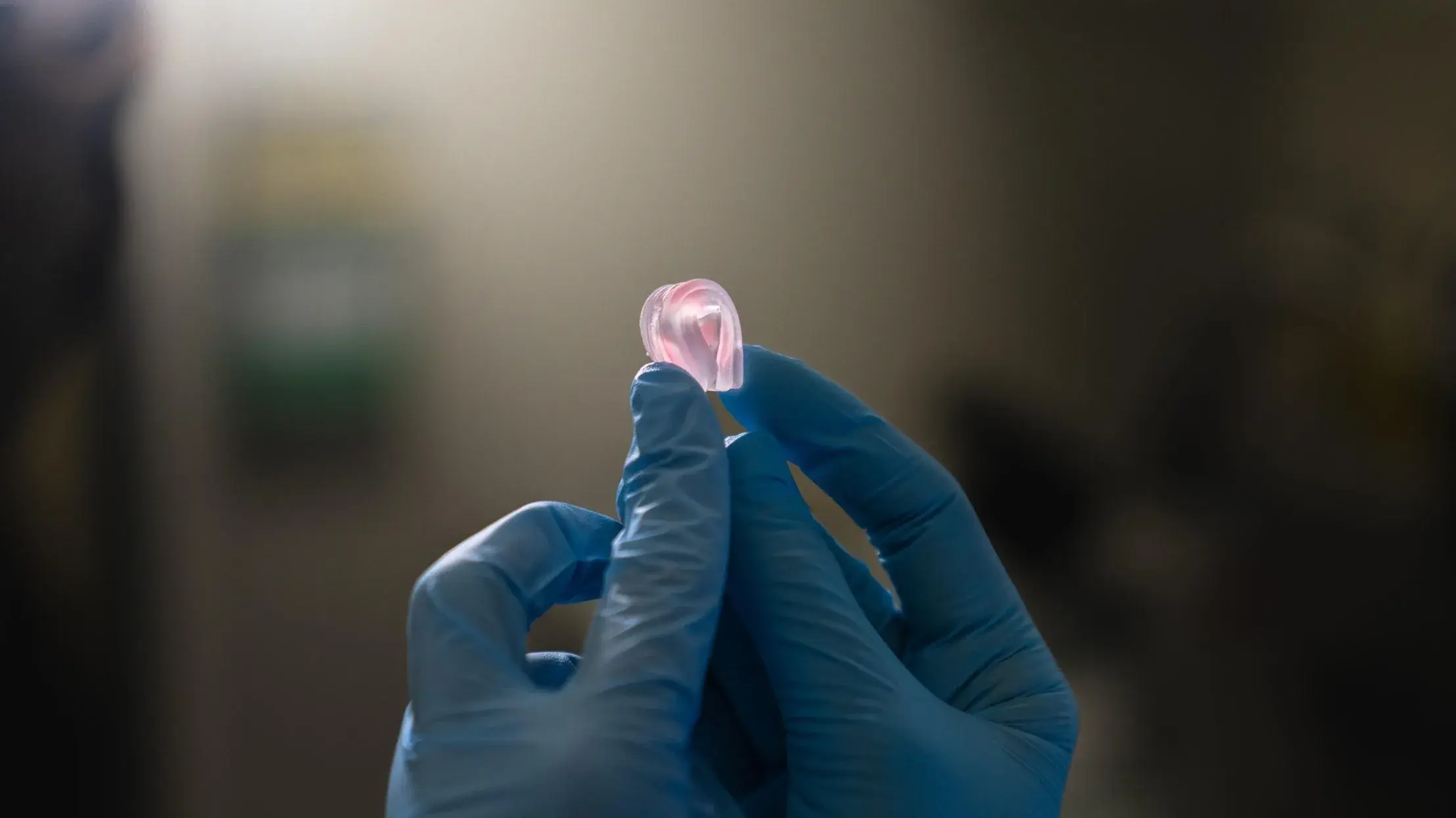
At EPFL, tuned cavities convert external sound into an air jet. The motor is not simply miniaturized: part of the machine is moved into its environment.
Paper Tunes does not really put an MP3 into a QR code. It first compresses music into a neural representation, then turns that data into a physical cartridge and an offline radio payload.

Pantone turned color into a shared but proprietary language. The Experimental Paint Archive asks the inverse question: can we build a material standard that is open, reproducible and trustworthy?

A nose panel no supplier wanted to tool up for could have grounded a C‑17 for years. The Air Force formed one without a dedicated die, pointing to a different model for keeping old machines alive.
From Microsoft meeting rooms to global health, employee testimony, antitrust archives and academic research show how Bill Gates turns strategic positions into power over entire systems.
The Dutch municipality would only allow one building volume for two families. Woonpioniers answered by interlocking the two homes around each other “like a game of Tetris”, and the constraint became the plan.
An essay argues that AI finally makes it possible to extract a person’s judgment from their head — to “productize a person”. The interesting question is what survives the extraction, and what only travels hand to hand.
Vocal Slice transcribes a voice recording on your machine, then lets you cut the audio by selecting text in the transcript. The waveform stops being the timeline; the words become it.