Canario closes its source because generating a PR is cheaper than reviewing one
Raphael Amorim still maintains Rio as open source but is closing Canario. AI-generated PRs amplify an older problem: the human cost of review.
Archive
IRZ archive, page 42.
Raphael Amorim still maintains Rio as open source but is closing Canario. AI-generated PRs amplify an older problem: the human cost of review.
Matt Sephton starts with a failed prototype, borrows from old arcade games and lets each design mistake teach his Jinks engine what it actually needs.
In 1986, Tahira Reid Smith drew a machine to turn Double Dutch ropes. After patents, an engineering career and a long pause, she returned with a working prototype.
Backstage, Portal and Confidence reveal another Spotify strategy: turning tools built for its own teams into B2B products. AWS shows why margin can matter more than revenue share.
A ten-model experiment finds that different-looking answers often collapse onto the same ideas. The strongest fixes make previous ideas visible and force the model to avoid them.
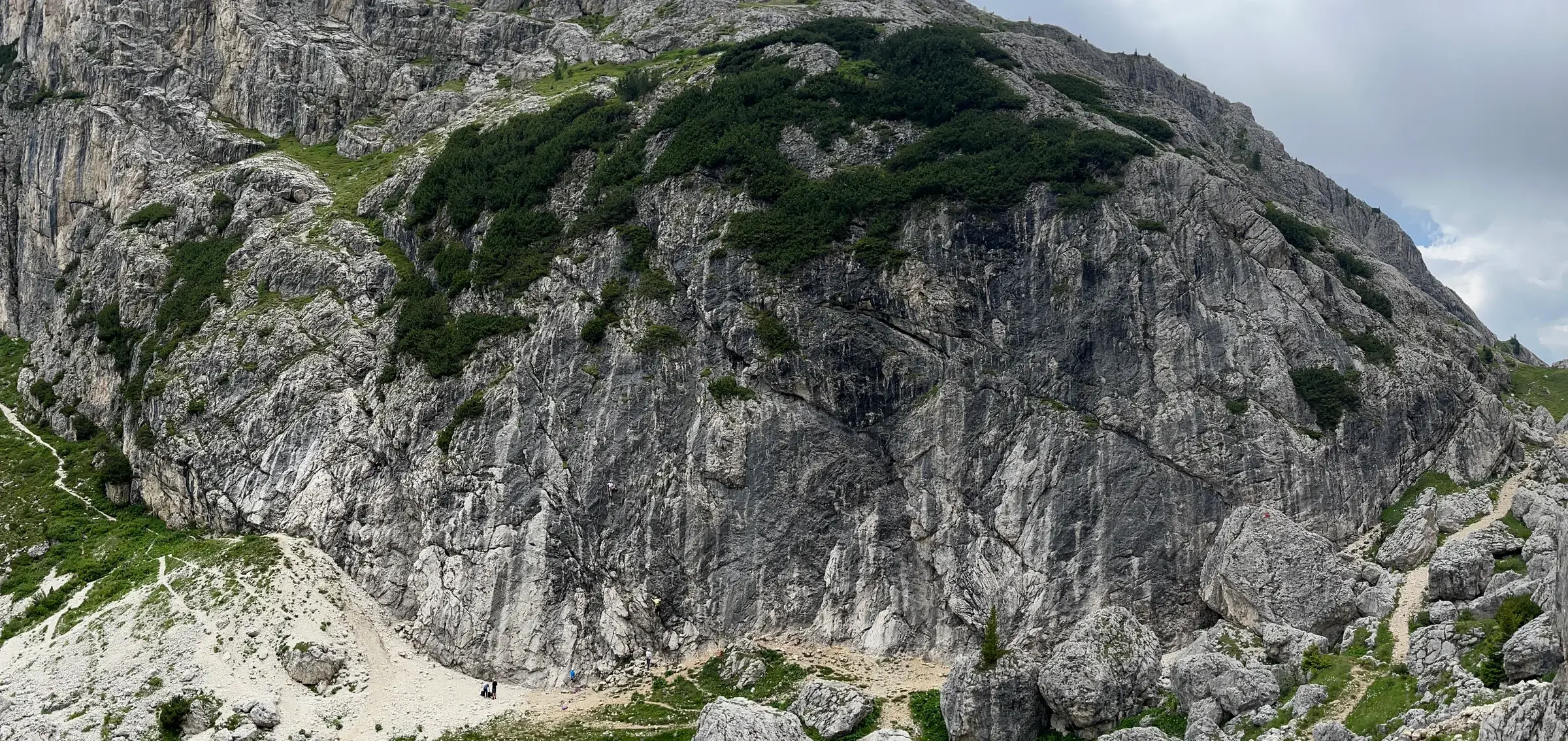
OpenClimbing 2.0 separates the guide from the service displaying it: OpenStreetMap for shared terrain, Wikimedia Commons for images, then a specialist climbing interface on top.
Ata Kuyumcu's dungeon uses a daily seed so every browser reconstructs the same world locally. The network mostly carries what changes: players, damage, opened chests and moving monsters.
WorldClaw turns a prompt into regions, builds global terrain, then generates local objects as separate meshes. The important difference is structural: the result remains an explicit 3D scene instead of a fixed view.
EveryCube maps each integer to one legal Rubik’s Cube state through rank/unrank math. There is no 43-quintillion-row catalogue: the requested state is reconstructed when the ruler moves.
From February 1, 2027, new creators will need 8,000 qualified watch hours or 20 million Shorts views before they can join YouTube's ads and Premium revenue sharing.